In the evolving world of renewable energy, homeowners face a crucial decision: what is the difference between grid tied and off grid solar systems? According to solar energy expert Dr. Sam Patel, “Choosing the right system can define your energy independence and financial freedom.”
Grid tied systems connect to the existing power grid, allowing homeowners to sell excess energy. This option often features lower initial costs, but it requires a reliable grid connection. On the other hand, off grid solar systems provide complete energy independence. They are ideal for remote locations but require higher upfront investments and battery systems for storage.
Understanding these distinctions is vital for anyone considering solar energy. The choice impacts not just electricity costs but also lifestyle and emergency preparedness. Many may struggle to find the right fit, weighing costs against perceived reliability. It’s a decision that warrants deep reflection and research.
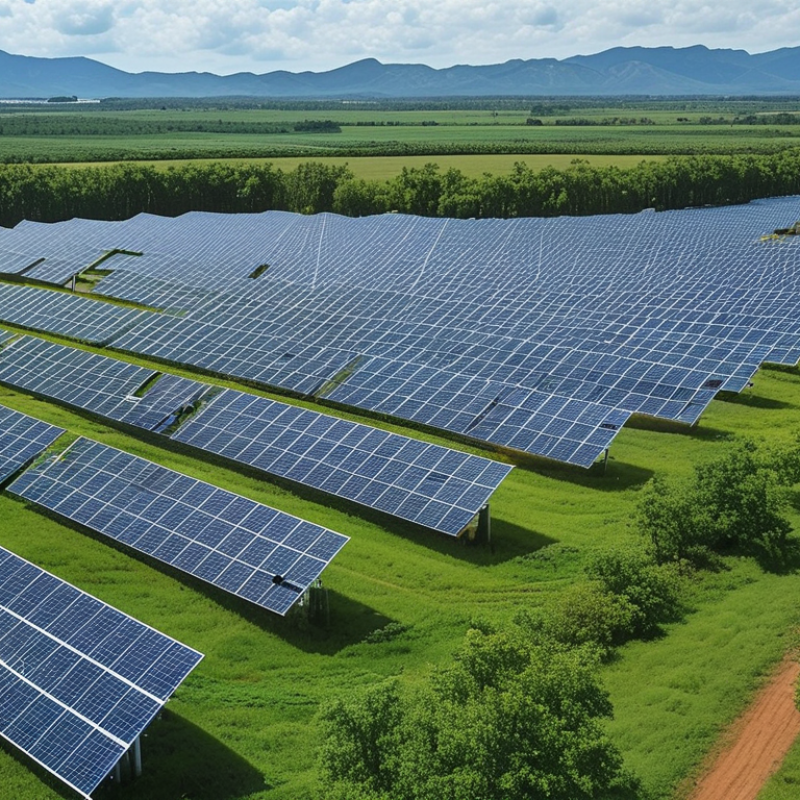
Grid-tied solar systems connect directly to the utility grid. This setup allows homeowners to utilize solar power while still having access to traditional energy sources. One significant benefit is the elimination of battery storage costs. According to the U.S. Energy Information Administration, nearly 95% of solar installations in 2021 were grid-tied due to their affordability. They offer net metering, where excess energy goes back to the grid. This system credits users on their electricity bill, creating further savings and incentivizing renewable energy production.
However, relying solely on grid power raises concerns. Users remain vulnerable to fluctuations in electricity prices and outages, diminishing energy independence. A noteworthy report from the National Renewable Energy Laboratory indicates that grid failures have increased by 40% over the past decade. This trend underlines the need for resilience in energy systems. Homeowners often question the sufficiency of grid-tied systems as natural disasters and unstable weather patterns become more frequent. Despite their advantages, an all-grid approach may lead to disillusionment as energy demands grow and sustainability becomes crucial.
Off-grid solar systems provide freedom from traditional grid dependence. They operate independently, generating power from solar panels. This setup is particularly beneficial in remote areas. Homeowners appreciate the ability to harness renewable energy without relying on local utilities.
Key features of off-grid systems include battery storage. Batteries store excess energy for use during cloudy days or at night. This ensures a continuous power supply. However, managing battery life and maintenance can be challenging. Users must balance energy consumption with available storage.
The advantages of going off-grid extend beyond just energy independence. It offers a sustainable lifestyle. Many people find fulfillment in utilizing clean energy sources. Yet, the initial investment can be substantial. Individuals should weigh the long-term benefits against upfront costs. Investing in knowledge and planning is crucial for success in off-grid living.
| Feature | Grid Tied Solar Systems | Off Grid Solar Systems |
|---|---|---|
| Independence from Utility | No | Yes |
| Battery Storage Required | No | Yes |
| Initial Cost | Lower | Higher |
| Maintenance Cost | Low | Moderate to High |
| Net Metering Availability | Yes | No |
| Reliability during Outages | Depends on Grid Status | High |
| Sustainability | Yes, but grid dependent | Yes, fully renewable |
| Ideal for Remote Locations | No | Yes |
When evaluating the costs of grid-tied versus off-grid solar systems, several factors should be considered. Grid-tied systems typically require less initial investment. A study from the Solar Energy Industries Association reveals that average installation costs for grid-tied systems are around $10,000 to $15,000. This includes equipment and labor. Operations and maintenance costs are often lower compared to off-grid systems, making grid-tied options more appealing for many homeowners.
Off-grid systems, while offering independence from utility companies, have significant upfront costs. These systems usually range between $15,000 to $30,000, according to reports from energy research firms. Battery storage significantly raises these costs. Additionally, off-grid solutions can face higher maintenance challenges. Evaluating weather patterns and energy needs can be complex. Not every homeowner is prepared for this intricacy.
While there are clear financial implications in the grid-tied versus off-grid decision, some consumers lean towards autonomy and sustainability. The emotional fulfillment of being energy-independent can be significant. Nevertheless, it's essential to weigh actual costs against personal values and lifestyle needs. Every choice comes with trade-offs that merit careful reflection.
Many people consider energy independence when choosing between grid-tied and off-grid solar systems. Off-grid solutions allow you to generate your own electricity. In fact, a study by the National Renewable Energy Laboratory shows that over 20% of solar installations are standalone systems. This trend reflects a growing desire for self-sufficiency.
However, going off-grid is not a one-size-fits-all solution. It requires a significant upfront investment and ongoing maintenance. A comprehensive report from the Solar Energy Industries Association indicates that average installation costs can range from $15,000 to $30,000, depending on system size and complexity. Additionally, off-grid systems often rely on battery storage to ensure consistent power. These batteries have limited lifespans and may require replacement every 5-15 years.
Many homeowners find emotional satisfaction in off-grid living. Still, they face challenges. Limited resources can lead to energy shortages, especially during peak demand. According to a recent survey, 30% of off-grid homeowners reported power outages during severe weather events. This highlights the importance of thorough planning and realistic expectations. Carefully weighing the pros and cons can help you determine if off-grid living aligns with your energy goals.
When considering solar systems, understanding the regulatory landscape is crucial. Grid-tied systems often benefit from net metering programs. These programs allow homeowners to sell excess energy back to the grid. In contrast, off-grid systems are generally not eligible for these incentives. A report from the Solar Energy Industries Association highlights that 49 states offer some form of net metering, enhancing the appeal of grid-tied setups.
Incentives vary significantly. Grants and tax credits exist for both configurations but differ in scale. A 2022 analysis found that homeowners can receive up to 30% of installation costs as a federal tax credit for solar systems. Off-grid owners may miss out on these financial benefits, increasing overall investment costs. Without accessible incentives, some may question the economic viability of off-grid systems.
Installing solar systems also requires adherence to local zoning laws and permits. Grid-tied systems typically face fewer hurdles, benefiting from established regulatory frameworks. Off-grid installations might encounter stricter regulations, which can frustrate installers and homeowners alike. The complexity of the regulatory landscape makes thorough research essential before making a decision.
This chart illustrates the differences between Grid Tied and Off Grid Solar Systems, highlighting key factors such as installation cost, available incentives, maintenance costs, and grid access fees. The data shows that while Grid Tied systems are generally cheaper to install and maintain, Off Grid systems entail higher initial investment but eliminate ongoing grid access fees.
: A grid-tied solar system connects directly to the utility grid, allowing the use of solar power with traditional energy.
They eliminate battery storage costs and enable net metering for further savings.
Users may face fluctuations in electricity prices and outages, impacting energy independence.
They may not meet demands during natural disasters or bad weather, raising concerns about reliability.
Off-grid systems operate independently, using solar panels and battery storage to generate and store energy.
Individuals in remote areas appreciate the independence from local utilities that off-grid systems provide.
Managing battery life and maintenance can be complex, requiring careful balancing of energy use.
Yes, the initial costs can be high, making careful planning essential for potential users.
Many find fulfillment in using clean energy sources and living sustainably.
It may not suit everyone due to the substantial initial investment and technical challenges.
This article serves as a comprehensive guide to understanding what is the difference between grid tied and off grid solar systems. It begins by defining grid tied solar systems and outlining their benefits, such as ease of installation and connection to the utility grid, which allows users to benefit from net metering. In contrast, off grid solar systems are explored, highlighting their key features including energy independence and self-sufficiency, which can be appealing for those in remote locations or seeking to reduce reliance on traditional power sources.
The article further compares the costs associated with each system, emphasizing that while off grid setups may have higher initial expenses, they can result in long-term savings and energy independence. Additionally, it assesses whether off grid living is suitable for individuals based on lifestyle and energy needs. Finally, the piece addresses the regulatory and incentive differences that may affect decisions around solar system installations, providing a well-rounded view for potential solar energy users.

3UP Energy