2026 How to Achieve Energy Independence with Solar Energy?

Time:2026-07-26 Author:Charlotte
0%

In recent years, the push for energy independence has gained significant momentum. Solar energy plays a crucial role in this transition. Dr. Emily Chen, a leading expert in renewable energy, emphasizes, "Solar energy is vital for reducing reliance on foreign oil." This statement underlines a core reason why is solar energy important for energy independence.

Solar energy provides a sustainable and renewable source of power. It reduces dependence on fossil fuels, which often come from unstable regions. Moreover, solar technology is becoming increasingly affordable. Households and businesses can harness sunlight to generate electricity. This energy independence leads to lower energy costs and greater economic stability.

However, challenges remain. Not every region receives adequate sunlight year-round. Battery storage solutions are still developing. Despite these obstacles, the benefits of solar energy for achieving energy independence are evident. With continued investment in technology and infrastructure, solar energy can become a cornerstone of a self-sufficient energy future. The journey may be complex, but the potential rewards are substantial.
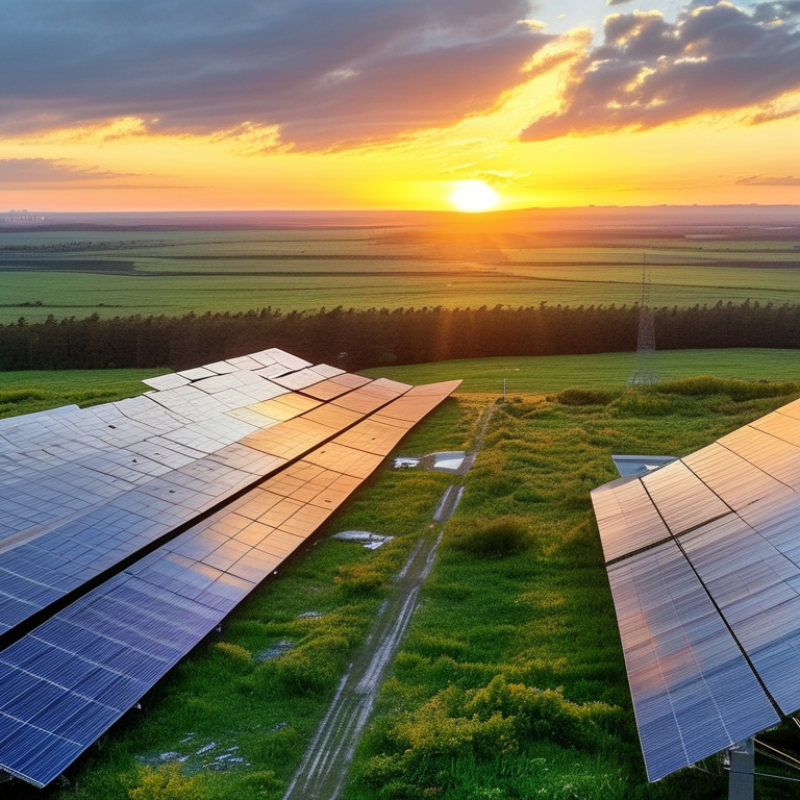
2026 How to Achieve Energy Independence with Solar Energy?

Understanding Energy Independence and Its Importance

Energy independence is increasingly crucial in today’s world. It refers to the ability of a nation or individual to meet their energy needs without relying on external sources. This independence reduces vulnerability to global energy market fluctuations. Additionally, it promotes environmental sustainability by decreasing reliance on fossil fuels.

Solar energy plays a pivotal role in achieving this independence. Harnessing sunlight provides a renewable and reliable energy source. Many households and businesses are now investing in solar panels. These installations contribute to local economies while promoting self-sufficiency. The transition to solar energy also reduces greenhouse gas emissions. This shift is imperative as climate change impacts become more severe.

Tips: Start by assessing your energy needs. Calculate how much electricity you consume monthly. This allows you to determine the right solar system size. Research local incentives for solar installations. Many areas offer tax benefits, making the transition more affordable. Lastly, consider community solar projects. They allow individuals without suitable roofs to participate in solar energy generation. Reflect on your lifestyle choices. Small changes can lead to significant reductions in energy consumption, complementing solar efforts.

Overview of Solar Energy Technologies and Their Applications

Solar energy technologies are evolving at a remarkable pace. They offer diverse applications that empower individuals and communities. Photovoltaic (PV) cells convert sunlight into electricity. This technology is now affordable and widely adopted. Homeowners can install solar panels to reduce utility costs. In urban areas, they can feed excess power back into the grid.

Another significant technology is solar thermal systems. These systems harness sunlight for heating purposes. They are commonly used for water heating in residential and commercial buildings. The efficiency of these systems often depends on location and weather. Limitations exist, particularly in regions with limited sunlight.

Concentrated solar power (CSP) is yet another approach. It uses mirrors or lenses to focus sunlight onto a small area. This concentrated light generates high temperatures to produce steam for electricity generation. While effective, CSP plants require large tracts of land. It raises concerns about land use and habitat disruption. Awareness of these impacts can guide responsible solar energy development.

2026 How to Achieve Energy Independence with Solar Energy?

Solar Technology Efficiency (%) Cost ($/W) Lifespan (Years) Typical Application
Monocrystalline Solar Panels 18-22 0.50-0.70 25 Residential, Commercial
Polycrystalline Solar Panels 15-20 0.40-0.60 25 Residential, Large Scale
Thin-Film Solar Panels 10-13 0.30-0.50 20 Building-Integrated, Flexible Applications
Bifacial Solar Panels 20-25 0.60-0.80 25 Utility, Ground-mounted Systems
Concentrated Solar Power (CSP) 15-20 4.00-6.00 30 Utility-Scale Power Plants

Steps to Assess Solar Potential for Energy Independence

When considering energy independence through solar energy, assessing your solar potential is crucial. Start by evaluating your property. Check the roof orientation and angle. South-facing roofs capture more sunlight. Shade from trees or other structures can lower efficiency. Measure your available roof space for solar panels.

Consider your local climate too. Areas with more sunlight will generate more energy. Research solar insolation data for your region. This helps in understanding potential energy output from solar panels. Energy consumption habits matter as well. Track your energy usage over several months. Knowing this can guide the size and number of panels needed.

Tips: Inspect your roof for any wear or damage. Any repairs should be done before installing solar panels. Connect with local solar energy experts. They can provide insights tailored to your location. Always seek multiple quotes to compare options. Establishing energy independence can be an exciting journey. However, remember that it requires careful planning and consideration. Assessing solar potential is the first step toward a sustainable future.

Financial Considerations: Costs and Incentives for Solar Investments

Solar energy presents a promising path toward energy independence. However, financial considerations are critical for anyone thinking about solar investments. The initial costs can be daunting. Installation of solar panels typically requires a significant upfront investment. However, many governments offer incentives to help offset these costs. Tax credits and rebates can alleviate some financial burdens, making solar more accessible.

Understanding the long-term savings is essential. Solar energy can drastically reduce monthly utility bills. Over time, these savings can exceed the initial investment. Yet, it’s important to assess your situation carefully. Not every location receives the same amount of sunlight, which can affect energy production. Evaluating your home’s energy needs and local solar potential is crucial.

Financing options are also varied. Some opt for solar loans or leases, while others choose to purchase outright. Each option has its benefits and drawbacks. Engaging with financial advisors who specialize in renewable energy can provide valuable insights. Exploring multiple financing avenues can uncover the best solution for your circumstances. Reflecting on these aspects is vital before making significant financial decisions.

2026 Energy Independence: Solar Energy Investment Costs and Incentives

Integrating Solar Energy into Existing Energy Infrastructure

Integrating solar energy into existing energy infrastructure holds great potential for achieving energy independence. The U.S. Energy Information Administration (EIA) recently reported that solar energy could provide up to 20% of the nation's electricity by 2030, significantly reducing fossil fuel dependency. This shift not only aids in decreasing greenhouse gas emissions but also enhances energy security.

To effectively integrate solar energy, existing grids must adapt. Smart grid technology plays a crucial role. It allows for real-time energy management and can facilitate the incorporation of variable solar outputs. A study by the National Renewable Energy Laboratory indicates that by maximizing solar integration, the U.S. could save approximately $12 billion annually in energy costs.

Tips: Consider investing in local solar projects to increase community resilience. Participating in regional solar initiatives can also provide financial incentives and reduce overall costs. Additionally, maintaining flexibility in energy policy is vital. Embracing innovative solutions can create systems that may not be perfect but are adaptable to future challenges.

FAQS

: What is energy independence?

: Energy independence is the ability to meet energy needs without external sources.

Why is energy independence important?

It reduces vulnerability to global market changes and promotes environmental sustainability.

How does solar energy contribute to energy independence?

Solar energy provides a renewable source, reducing reliance on fossil fuels and emissions.

What should I assess before investing in solar?

Consider your energy consumption and calculate your monthly electricity needs.

Are there financial incentives for solar installations?

Yes, many areas offer tax credits and rebates to help with initial costs.

What are common financing options for solar energy?

Options include solar loans, leases, or outright purchases, each with pros and cons.

How can I participate in solar energy if I cannot install panels?

Community solar projects allow others to engage in solar generation without installing on their roofs.

Is sunlight availability the same everywhere?

No, different locations receive varying sunlight, affecting solar energy production.

What small changes can help complement solar energy efforts?

Simple lifestyle adjustments can significantly reduce energy consumption.

Should I consult a financial advisor before investing in solar?

Yes, they can offer insights tailored to your renewable energy financial decisions.

Conclusion

Achieving energy independence is crucial for enhancing national security and reducing reliance on fossil fuels. This article explores the significance of solar energy in this pursuit. Understanding energy independence involves recognizing its benefits, including economic resilience and environmental sustainability. The overview of solar energy technologies highlights various applications, from residential installations to large-scale solar farms, which can be tailored to meet diverse energy needs.

To assess solar potential, it is vital to evaluate geographic and climatic conditions, ensuring optimal energy production. Financial considerations, including costs and available incentives, play a key role in making solar investments viable. By integrating solar energy into existing energy infrastructure, communities can transition towards sustainable energy models. Ultimately, the question of "why is solar energy important for energy independence" is central, as it offers a renewable solution that promotes self-sufficiency and mitigates the impact of volatile energy markets.

Charlotte

Charlotte

Charlotte is a seasoned marketing professional with a deep understanding of the company's portfolio and a passion for elevating its presence in the market. With a keen eye for detail and a commitment to excellence, she ensures that our professional blog is regularly updated with insightful articles......