2026 Best Challenges of Commercial Solar Installations?

Time:2026-09-04 Author:Mason
0%

The acceleration of commercial solar installations has transformed the energy sector. Businesses aim to reduce costs and enhance sustainability. Yet, the path to solar adoption is fraught with complexities. What are the challenges of commercial solar installations?

Understanding these hurdles is crucial for successful implementation. Projects often face financial constraints, regulatory issues, and technical limitations. Businesses must navigate financing options that suit their needs. Educating stakeholders on benefits is equally important. Installation delays can occur due to permitting processes that are often sluggish and unpredictable.

Moreover, many companies struggle with integrating solar solutions into existing infrastructure. Balancing initial installation costs with long-term savings requires careful planning. Reflection on these challenges can lead to informed decision-making. By addressing these difficult aspects, businesses can pave the way for a greener future.
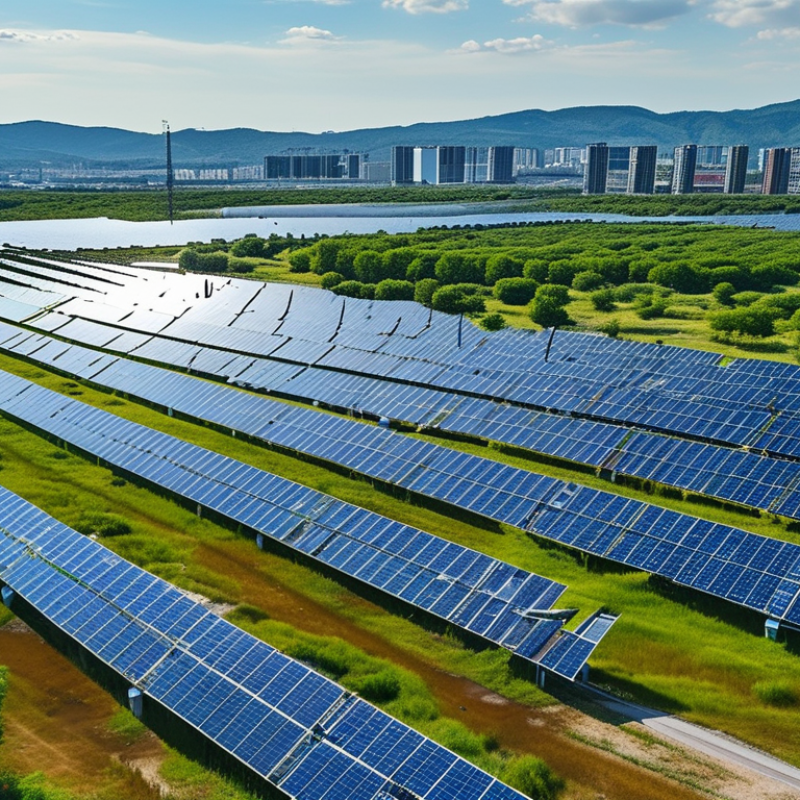
2026 Best Challenges of Commercial Solar Installations?

Overview of the Commercial Solar Installation Landscape in 2026

The landscape of commercial solar installations in 2026 is rapidly evolving. Increasingly, businesses recognize the value of solar energy. Many are investing in large-scale systems. However, challenges remain. Proper site assessments are critical for optimal performance. Many installations face issues due to inadequate evaluations. This can lead to energy inefficiencies.

Financial incentives differ across regions. Some areas offer substantial rebates, while others do not. This inconsistency can influence a company’s decision to go solar. Furthermore, rising materials costs often catch businesses off guard. Companies must plan budgets carefully to accommodate potential price fluctuations.

Employee training is another concern. As technology advances, the workforce needs new skills. Many businesses find it hard to keep up. Proper training programs are essential for successful installations. Lastly, local regulations can pose hurdles. Navigating through permits and compliance requires time and expertise. Awareness of these factors is crucial for a successful solar transition.

Key Technical Challenges in Commercial Solar Energy Projects

As commercial solar installations expand, key technical challenges emerge. One significant issue is the integration with existing electrical systems. Many commercial buildings have outdated infrastructure that may not support the additional load from solar panels. Upgrading these systems can be costly and complex. This integration requires detailed analysis to ensure safety and efficiency.

Another challenge lies in the variability of solar energy production. Weather conditions and seasonal changes impact output. Businesses need to implement effective energy storage solutions to manage this fluctuation. Battery technology is evolving, but optimal choices depend on specific project needs. Cost-effectiveness and efficiency are crucial, and ongoing evaluation is necessary.

Moreover, compliance with local regulations can be daunting. Different regions have varied policies regarding solar installations. Understanding these regulations requires expertise and constant monitoring. Projects may face delays if regulatory requirements are not met. Addressing these challenges demands a proactive approach and a willingness to adapt strategies as conditions change.

2026 Key Technical Challenges in Commercial Solar Energy Projects

Economic Barriers: Cost and Financing Issues for Solar Installations

In the rapidly evolving landscape of commercial solar installations, economic barriers loom large. One of the most pressing issues is the upfront cost. A report by the International Renewable Energy Agency (IRENA) indicates that high initial investments can deter businesses from adopting solar energy solutions. This often leads to skepticism around the return on investment (ROI), particularly for small to medium-sized enterprises. The average cost of installing commercial solar systems can reach $2.50 to $3.50 per watt, making financing a crucial factor for decision-makers.

Financing options are expanding, yet challenges persist. Many businesses struggle with a lack of awareness regarding available incentives and programs. A study by the Solar Energy Industries Association (SEIA) found that 35% of businesses cited financing challenges as a major barrier to solar investment. Leasing and power purchase agreements (PPAs) can alleviate some financial stress, but not all businesses understand these options. A lack of financial literacy in navigating these choices can lead to missed opportunities in adopting solar technology.

The gap in economic knowledge and understanding presents a significant hurdle. Businesses often underestimate the long-term savings on energy costs when evaluating their budgets. A McKinsey report highlights that companies can save up to 70% on energy after a solar installation. However, without addressing these economic barriers, many organizations may delay or forgo solar implementation entirely, thus missing the chance for sustainable growth.

Regulatory and Policy Challenges Affecting Solar Adoption

Regulatory and policy challenges significantly affect the adoption of commercial solar installations. In 2023, the Solar Energy Industries Association reported that policy uncertainty could slow solar growth by nearly 30%. This stark statistic highlights the need for stable and supportive policies to foster a conducive environment for solar investments. Frequent changes in regulations make it difficult for businesses to plan their financial investments in solar energy.

Local and federal policies often vary, complicating compliance for companies. For instance, interconnection standards can differ widely among states, leading to inconsistent timelines for project completion. In a 2022 survey, 65% of solar developers indicated that regulatory hurdles were one of the top barriers to expanding their operations. Furthermore, incentives can be confusing. Some businesses may overlook available tax credits or rebates due to a lack of clear communication from authorities.

Another concern is grid access. As demand for solar grows, restrictions in some regions delay connections to the electricity grid. The lack of a streamlined process can deter potential adopters wary of waiting months for approval. Additionally, there's a reluctance from utilities to adjust to the influx of distributed energy resources, which can further hinder solar deployment. Addressing these issues requires collaborative efforts between policymakers and the industry.

Market Trends and Innovations Shaping the Future of Commercial Solar

The commercial solar industry is evolving rapidly, influenced by market trends and innovative technologies. According to the Solar Energy Industries Association (SEIA), the commercial sector is projected to grow by 18% annually over the next five years. Businesses are increasingly recognizing the cost savings and sustainability benefits of solar energy. The drive towards net-zero emissions only amplifies this trend.

Innovations play a key role in shaping this market. Advanced energy storage solutions are enhancing solar efficiency, allowing businesses to store excess energy. For example, lithium-ion batteries are becoming a standard in commercial settings. However, challenges persist. Initial installation costs remain a barrier for many small to mid-sized companies. Additionally, regulatory complexities can complicate the installation process, leading to delays.

Emerging technologies, such as Building Integrated Photovoltaics (BIPV), offer new opportunities. BIPV can transform building materials into energy-generating surfaces, blending aesthetics with functionality. Despite these advancements, there is a critical need for ongoing education and support within the industry. Stakeholders must address the knowledge gap and share best practices to overcome these obstacles.

FAQS

: What are common challenges faced by commercial solar installations?

: Integrating with outdated electrical systems is a major challenge. This requires careful analysis to ensure safety.

How does weather affect solar energy production?

Weather and seasonal changes impact energy output. Businesses should consider effective energy storage solutions.

What financing challenges do businesses face when adopting solar?

High upfront costs deter many businesses from solar investments. Lack of awareness about financing options adds to the issue.

How can businesses navigate complex regulations for solar installations?

Understanding local regulations requires expertise. Constant monitoring is necessary to avoid project delays.

What are some available financing options for solar projects?

Leasing and power purchase agreements can help reduce financial stress. However, not all businesses understand these options.

How can companies benefit from solar installations?

Companies can potentially save up to 70% on energy costs. Long-term savings often outweigh initial installation expenses.

Are there innovations in commercial solar technology?

Yes, advanced energy storage solutions and Building Integrated Photovoltaics are emerging. These enhance efficiency and aesthetics.

Why is there a gap in economic understanding among businesses?

Many businesses underestimate long-term savings on energy costs. This lack of knowledge can result in missed solar opportunities.

How is the commercial solar sector projected to grow?

The commercial solar sector is expected to grow by 18% annually. Sustainability benefits drive this growth.

What role does education play in solar adoption?

Ongoing education is critical for addressing knowledge gaps. Stakeholders should share best practices to support industry growth.

Conclusion

The article "2026 Best Challenges of Commercial Solar Installations" explores the complex landscape of commercial solar energy projects as they stand in 2026. It highlights key technical challenges, such as the integration of advanced technologies and the need for skilled labor, which create hurdles for successful installations. Additionally, economic barriers like high upfront costs and financing issues pose significant limitations on widespread adoption.

Regulatory and policy challenges further complicate the situation, affecting incentives and compliance requirements. As businesses navigate these obstacles, understanding what are the challenges of commercial solar installations becomes paramount. Despite these hurdles, market trends and innovations signal a promising future for commercial solar energy, paving the way for more accessible and efficient installation solutions.

Mason

Mason

Mason is a seasoned marketing professional with a deep expertise in the company's offerings and a passion for driving brand awareness. With a strong background in digital marketing strategies, he has an innate ability to connect with diverse audiences and effectively communicate product benefits.......