As the solar industry continues to grow rapidly, buyers face unique challenges. Understanding "what should buyers consider when sourcing solar equipment" is critical to making informed decisions. According to a recent report from the Solar Energy Industries Association, the U.S. solar market is projected to double by 2024, highlighting the increasing importance of reliable solar technologies.
Expert David Greenfield, a leading voice in renewable energy, advises, “Buyers must evaluate equipment durability, efficiency ratings, and warranties before making a purchase.” This perspective underscores the necessity for careful consideration in choosing solar products. Buyers should ensure that the equipment not only meets current standards but also aligns with future needs.
Additionally, factors such as supplier reputation and customer support play vital roles. Despite the availability of extensive information, many buyers still encounter difficulties in differentiating quality from mediocrity. As the market evolves, consumers must remain vigilant and informed. Investing time in research is essential to avoid costly mistakes and ensure long-term satisfaction with solar equipment.
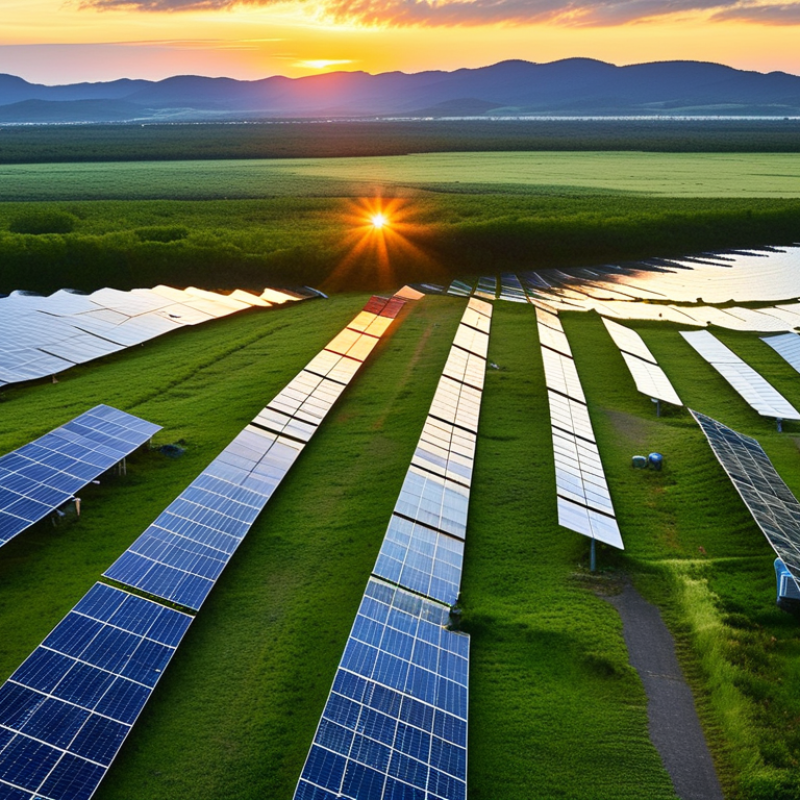
Factors to Evaluate When Selecting Solar Panels
When selecting solar panels, several factors demand careful consideration. Efficiency is paramount. Look for panels that convert sunlight into energy effectively. Higher efficiency means better performance, especially in limited spaces. Pay attention to the power output ratings. This figure indicates how much energy your solar panel can generate. Greater output equates to more savings.
Durability is another critical aspect. Consider panels with robust materials that can withstand environmental stress. Look for warranties, typically spanning 20 to 25 years. A longer warranty suggests confidence in the product's longevity. Ensure that the panels can resist conditions like hail, high winds, and extreme heat.
Cost should never be overlooked. While cheaper panels may save you money upfront, they often lack efficiency and durability. Calculate your return on investment. Think about long-term savings versus initial expenditure. It can be tempting to choose the budget option, but low-quality panels may require early replacement. Reflect on these factors to make a more informed choice.
Understanding Different Types of Solar Inverters
When considering solar inverters, understanding their types is crucial. There are three main types: string inverters, microinverters, and power optimizers. String inverters are the most common. They connect multiple panels in series. This setup simplifies installation and reduces costs. However, shade on one panel can affect the entire string. This aspect requires careful positioning of panels.
Microinverters, on the other hand, attach to each panel individually. This allows for maximum energy production from each unit. Even if some panels are shaded, the rest can still perform well. However, the initial installation cost can be higher. Power optimizers work as a middle ground. They enhance the performance of string inverters but do not replace them entirely. They mitigate the issue of shading but still rely on a central inverter.
Understanding these options allows buyers to reflect on their specific needs. Consider your roof's layout and local climate. A thorough analysis helps avoid costly mistakes. Remember, the right inverter can maximize your system’s efficiency and yield. Sometimes, the choice isn’t clear-cut, and buyers may feel unsure. Seeking expert advice can provide clarity and support smart decisions.
Assessing Battery Storage Options for Solar Energy Systems
When assessing battery storage options for solar energy systems, several factors come into play. Battery storage allows users to harness solar energy for use during non-sunny hours. According to the U.S. Department of Energy, a solar-plus-storage system can increase energy independence by up to 50%. This emphasizes the importance of choosing the right battery solution.
Lithium-ion batteries are popular. They are efficient, compact, and have a lifespan of about 10-15 years. However, they can be costly, often exceeding $10,000 for a complete home installation. Lead-acid batteries are cheaper but have a shorter lifespan, lasting around 5-7 years. Their lower depth of discharge can lead to missed energy usage opportunities. Balancing cost with performance is crucial.
Consider your energy requirements carefully. Evaluate daily usage patterns and potential load during peak times. Reports suggest that homeowners could save up to 30% on energy costs with a well-planned solar and storage setup. Yet, navigating the choices can be daunting. There isn’t a one-size-fits-all solution; each home has unique needs. Conducting thorough research and consulting experts can help mitigate confusion in this evolving market landscape.
Evaluating Installation Requirements and Space Considerations
When evaluating solar equipment, installation requirements and space considerations play a crucial role. Each home or business has unique space constraints, which can significantly affect system performance. According to the National Renewable Energy Laboratory, a typical residential rooftop solar panel system requires 100 to 400 square feet of unobstructed space. If your roof is shaded or has multiple obstructions, these factors can reduce efficiency.
The angle and direction of your roof also impact solar energy capture. A south-facing roof, ideally with a 30-degree pitch, generally yields the best performance. A recent study indicated that even slight adjustments in angle can influence energy production by up to 25%. Moreover, local building codes and regulations should not be overlooked. Many areas have specific guidelines that may limit installation methods or materials, further complicating decisions.
Finding the right location for installation involves more than just physical space. It often requires a detailed assessment of surrounding trees and buildings. Even if the space seems adequate, potential shadowing from nearby objects could hinder solar efficiency. Analysts highlight that engaging with a certified installer for a comprehensive site evaluation is essential. They bring expertise that can reveal hidden challenges to ensure optimal system performance.
Cost Analysis: Budgeting for Solar Equipment Investments
Investing in solar equipment requires careful budgeting. Potential buyers should start by evaluating their financial situation. This includes determining how much they can reasonably allocate for solar panels, inverters, and installation costs. A detailed cost analysis will help prospective buyers understand the initial investment and long-term savings on energy bills.
Moreover, buyers should consider ongoing maintenance costs. Solar equipment may need regular check-ups and occasional repairs. Researching these expenses helps avoid surprises later. It's not just about the upfront costs; understanding the total cost of ownership is crucial. Buyers often overlook this aspect, which can lead to budget overruns.
Besides costs, buyers need to think about financing options. Loans and incentives can reduce upfront payments. Some local organizations offer rebates for solar installations. Buyers should also assess the return on investment (ROI). While solar energy can lower utility bills, it may take time to see significant savings. Encourage buyers to reflect on these aspects. It's essential to be prepared for potential financial fluctuations in the coming years.
Cost Analysis: Budgeting for Solar Equipment Investments
Conclusion
When sourcing solar equipment, buyers need to carefully evaluate several critical factors to make informed decisions. Understanding the different types of solar panels and inverters is essential, as each option can significantly impact energy efficiency and performance. Additionally, assessing battery storage options is crucial for maximizing energy use and ensuring reliability during outages.
Another important aspect is evaluating installation requirements and available space, as these can affect both the feasibility and effectiveness of the solar system. Finally, conducting a thorough cost analysis will help buyers budget effectively for their solar investments. Ultimately, what should buyers consider when sourcing solar equipment encompasses a holistic approach to understanding technology, space, and financial implications to achieve optimal solar energy solutions.

 3UP Energy