Choosing the right solar power system can significantly impact your energy usage and environmental footprint. Research from the Solar Energy Industries Association (SEIA) shows that residential solar installations are expected to grow by 24% this year alone. However, selecting the ideal solar system is not straightforward.
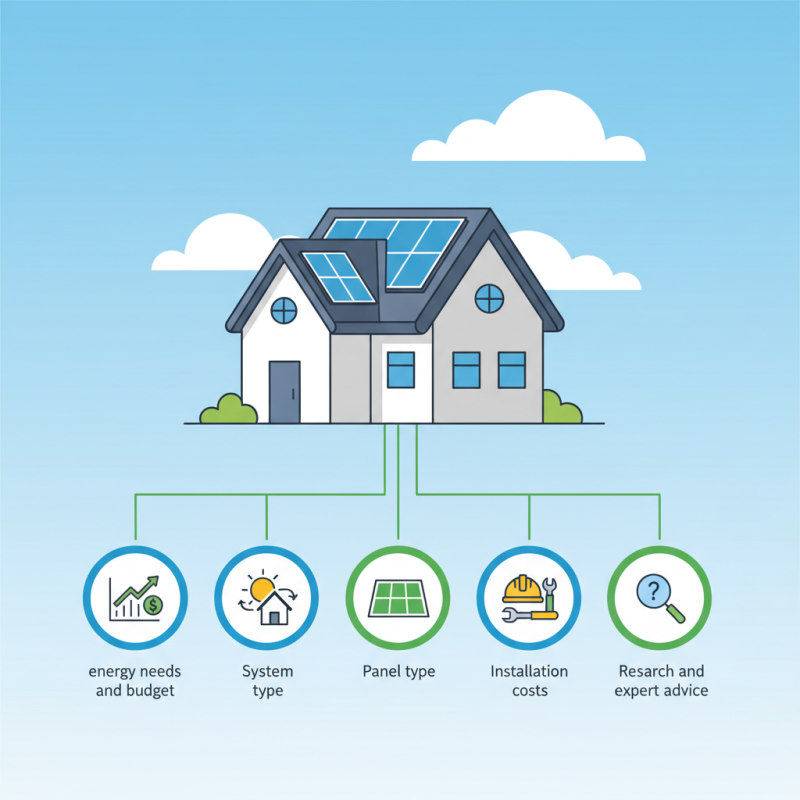
"How to choose the right solar power system" involves understanding your energy needs, budget, and system type. Expert Dr. Lucy Green, a leading authority in renewable energy, emphasizes, “A well-informed choice can enhance efficiency and save costs.” Her insight underscores the importance of research before making a decision.
Consumers often overlook various factors such as panel type and installation costs. A mismatch could lead to inefficiency and unnecessary expenses. Delving into these details requires thoughtful consideration. Utilizing expert resources can lead to sound decisions and successful solar adoption.
When considering a solar power system, understanding your energy needs is critical. Start by assessing your current power consumption. Gather your electricity bills from the past year to estimate monthly use. Look for patterns in your consumption. This helps you determine the size of the system you need. Many homeowners underestimate their energy requirements. It’s essential to calculate peak usage, especially during summer months.
Additionally, think about your future energy needs. Do you plan on expanding your home or investing in electric vehicles? Anticipating these changes can prevent costly upgrades later. Consider using energy-efficient appliances. They can significantly reduce your overall consumption and influence the size of the solar system you’ll require.
Lastly, evaluate your roof's condition and orientation. A proper installation enhances efficiency. Ensure it can support solar panels. Shadow issues can impact performance. If your roof is not ideal, you might need to rethink your setup. These considerations provide a clearer picture of your actual requirements and can lead to more informed decisions.
When evaluating different types of solar panels, efficiency is key. There are monocrystalline, polycrystalline, and thin-film panels. Monocrystalline panels are known for their high efficiency. They work well in limited space. However, they can be more expensive. On the other hand, polycrystalline panels are generally more affordable, but they may take up more room for the same output. Thin-film panels are lightweight and flexible, but they tend to have lower efficiency rates.
Inverters also play a critical role in the system. A solar inverter converts the direct current produced by the panels into alternating current. There are string inverters and microinverters. String inverters are cost-effective for larger installations. However, they can lead to efficiency losses if one panel is shaded. Microinverters are more expensive but offer better performance, especially in uneven installations. Consider your unique needs and environment before making a choice. Remember, selecting the right combination of panels and inverters can be complex. Make sure to reflect on your energy goals and budget.
When considering a solar power system, assessing installation costs is critical. The average cost of solar installations in the U.S. can range from $15,000 to $25,000. These costs vary by location and system size. It's crucial to request multiple quotes and review what each package includes. Hidden fees can inflate final costs. Always scrutinize the details carefully.
Long-term savings are another vital aspect. According to the National Renewable Energy Laboratory, a solar power system can save homeowners between $10,000 and $30,000 over 20 years. However, these savings depend significantly on your utility rates and available solar incentives. Research your local and federal incentives thoroughly; they can drastically affect overall costs. Unexpected changes in local regulations can also influence these savings.
Before making a decision, consider the potential drawbacks. Some installations may face energy yield issues due to shading or incorrect panel orientation. Regular maintenance costs should also be a factor in your calculations. While solar power can reduce electricity bills, the initial investment and ongoing costs require careful evaluation to ensure you choose the right path for your energy needs.
When choosing a solar power system, the quality of the providers and installation services is crucial. Start by researching local companies. Look for customer reviews and testimonials. Check their ratings on reliable platforms. This helps you gauge their reputation. A strong track record ensures a smoother installation process.
Take the time to interview potential providers. Ask about their experience and certifications. It’s important they are familiar with local regulations. Inquire about warranties they offer. This shows their confidence in both the products and their installation services. A transparent conversation can uncover any red flags.
Consider visiting previous installation sites. Speaking with past customers can provide valuable insights. Did they face any issues? How responsive was the company to their needs? These reflections can guide your decision. Investing in solar energy is significant. Partnering with the right provider makes all the difference in your experience and outcomes.
When choosing a solar power system, maintenance requirements and warranty options play a crucial role. Understand that maintenance isn't a one-time task. Regular checks ensure the system runs efficiently. Depending on the type of system, you might need to clean the panels. Dust or debris can significantly reduce efficiency. You'll want to account for this in your overall budget.
Warranties vary, and it’s essential to read the details. A longer warranty may seem appealing, but check what it covers. Some warranties only cover defects, not performance. If the system underperforms, you might be disappointed. Also, remember that installation quality impacts longevity. Poor installation can void your warranty.
Reflect on your experience with similar systems. Have you seen others face issues? Take note of recurring problems. Speak with homeowners or professionals about their insights. Their expertise can guide your decision. Maintenance is a commitment. Ensure you are ready for it.
| Tip | Description | Maintenance Requirements | Warranty Duration |
|---|---|---|---|
| 1. Assess Your Energy Needs | Evaluate your average energy consumption to determine the appropriate system size. | Check for regular system checks every 6 to 12 months. | Typically 10-25 years. |
| 2. Research Installation Options | Consider whether you prefer DIY installation or hiring professionals. | Minimal maintenance required; ensure installation is done correctly. | Installation labor typically covered for 1-5 years. |
| 3. Evaluate Different Types of Solar Panels | Compare monocrystalline, polycrystalline, and thin-film panel technologies. | Occasional cleaning and inspection for wear are recommended. | 15-25 years depending on panel type. |
| 4. Consider Local Climate and Sunlight Exposure | Assess how much sunlight your location receives to optimize panel placement. | Regular monitoring of system performance is key. | Standard warranty conditions apply. |
| 5. Review Warranty and Support Options | Understand what is covered under warranty, including labor and parts. | Limited maintenance; focus on keeping the system clean. | 20-25 years for panels; shorter for inverters. |
: Gather electricity bills from the past year. Estimate monthly usage and identify consumption patterns.
Anticipate changes like home expansions or electric vehicles. This can prevent costly upgrades later.
There are monocrystalline, polycrystalline, and thin-film panels. Each has different efficiency and cost considerations.
Inverters convert direct current to alternating current. Their type impacts efficiency based on installation conditions.
Research local companies. Check reviews and ratings. Their reputation is vital for a smooth installation process.
Ask about their experience and certifications. Knowledge of local regulations is crucial for compliance.
Visit previous installation sites and speak with past customers. Their experiences can reveal the provider's reliability.
A sound roof enhances efficiency. Consider if it can support panels and if shadows may affect performance.
They can reduce energy consumption, influencing the size of the solar system you may require.
Yes, it's essential to reflect on your energy goals and budget. The right combination demands thoughtful consideration.
When considering how to choose the right solar power system, it's essential to first understand your energy needs. This includes evaluating your average energy consumption to determine the appropriate system size. Next, examine the different types of solar panels and inverters available, as their efficiency and technology can significantly impact your overall energy production.
Additionally, assessing installation costs alongside potential long-term savings is crucial for making an informed decision. Researching reliable solar providers and installation services ensures quality and reliability, while also considering maintenance requirements and warranty options can protect your investment over the long term. By following these guidelines, you can effectively navigate the process and select a solar power system that best meets your needs.

3UP Energy