For business leaders asking “what are the benefits of solar energy for businesses,” the answer starts with a practical question: how much electricity does the site use, and when? Solar panels can reduce reliance on grid power and help limit exposure to changing electricity prices. A rooftop system may turn an unused warehouse roof into a source of daytime energy. Fatih Birol, executive director of the International Energy Agency, said, “Solar is the new king of electricity markets around the world.” His observation reflects solar’s growing role, but a company’s results depend on its own site and energy profile. The details matter.
For some businesses, lower electricity bills are the main attraction. Others value progress toward emissions targets, a visible sustainability effort, or greater control over long-term energy planning. A facility with steady daytime demand may use more of its solar generation directly. A business that operates mostly at night may need storage or another plan to make the system useful. Neither option fits every site. Roof condition, shading, installation costs, local utility rules, and available incentives can all affect the financial case. Even a strong proposal deserves careful review; projected savings are estimates, not promises. This introduction explores the benefits, trade-offs, and questions companies should ask before investing. It keeps the focus on measurable energy use, realistic costs, and decisions grounded in each business’s operating needs.
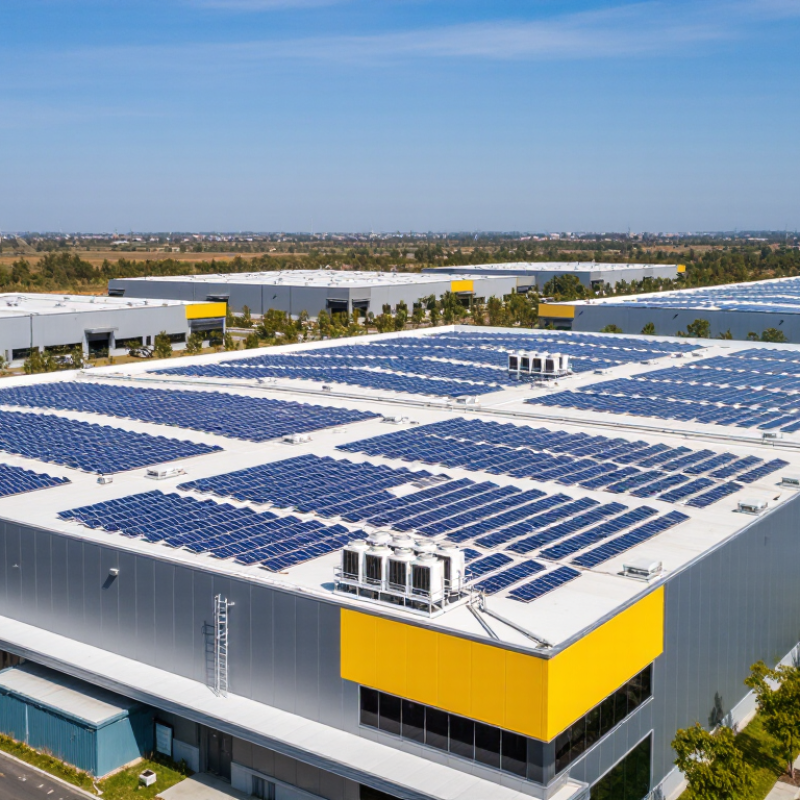
A commercial solar system usually starts with photovoltaic panels on a roof, carport, or unused land. The panels convert sunlight into direct-current electricity. An inverter changes that power into alternating current, which the building’s equipment can use. When the system produces less than the business needs, electricity can come from the grid. When it produces more, surplus power may be exported or stored, depending on the system and local rules. Sunlight is variable. Actual output depends on shade, roof angle, weather, and equipment condition. For a shop, panels might help run refrigerators and lights during sunny afternoon hours. For a workshop, machines may use power at different times, so matching generation to demand matters. No roof is identical.
Tips: Review twelve months of electricity bills and note when major equipment runs. Ask a qualified installer to assess roof condition, shading, wiring, and expected production. Compare estimates with actual operating hours; forecasts are useful, not guarantees.
Businesses may use solar power directly, pair it with batteries, or send excess electricity to the grid. A battery can shift some daytime energy into evening hours, but it adds cost and maintenance. Solar does not automatically eliminate bills: connection fees, cloudy periods, and high evening demand can remain. Even careful estimates can miss changes in energy use or electricity prices, so treat payback projections as planning tools rather than promises.
Solar panels convert sunlight into electricity that businesses can use on-site, reducing the amount of grid electricity they need to buy. The chart compares median lifecycle greenhouse gas emissions: solar photovoltaic electricity produces about 95% fewer emissions per kilowatt-hour than coal in these estimates. Actual savings depend on the local grid, system design, and operating conditions.
Source: IPCC Fifth Assessment Report, Working Group III, lifecycle greenhouse gas emission estimates. Values are median estimates in grams of CO₂-equivalent per kilowatt-hour.
On-site solar can lower a business’s electricity bill by generating power where it is used. During sunny hours, panels may supply lighting, computers, refrigeration, or production equipment. That can reduce the amount of electricity purchased from the grid. The savings depend on how closely solar production matches the business’s operating hours. A warehouse with daytime cooling may use more solar power directly than a site that runs mainly at night. Every site differs.
Before investing, compare recent utility bills with an hourly or seasonal usage profile. A qualified solar professional can assess roof condition, shading, system size, and expected production. Ask for assumptions behind the savings estimate, including equipment performance and utility export credits. Those credits vary by location and rate plan. Payback is not guaranteed; maintenance, financing, and future electricity prices can change the result. Even careful estimates can miss something.
Tips: Review at least 12 months of bills. Check for shade from trees or nearby structures. Match system size to daytime demand, not just roof space. Keep a little skepticism. Ask for a production estimate and a clear breakdown of projected costs and savings.
| Example Business Facility | Solar System Size | Annual Electricity Use | Estimated Solar Generation | Estimated Use Offset | Average Electricity Rate | Estimated Annual Bill Savings |
|---|---|---|---|---|---|---|
| Small office | 50 kW | 120,000 kWh | 65,000 kWh | 54% | $0.14/kWh | $9,100 |
| Retail store | 100 kW | 220,000 kWh | 130,000 kWh | 59% | $0.16/kWh | $20,800 |
| Warehouse | 250 kW | 600,000 kWh | 325,000 kWh | 54% | $0.13/kWh | $42,250 |
| Light manufacturing facility | 500 kW | 1,200,000 kWh | 650,000 kWh | 54% | $0.12/kWh | $78,000 |
Illustrative estimates assume annual solar generation of 1,300 kWh per installed kW and that generated electricity offsets purchases at the stated average rate. Actual generation and savings vary by location, system design, usage patterns, utility tariffs, and export rules. Estimates exclude demand charges, fixed fees, system costs, financing, maintenance, and incentives.
Energy reliability is a daily business concern: a brief outage can stop refrigeration, payment systems, or production lines. The U.S. Energy Information Administration reported an average 5.6 hours of customer interruptions in 2022, including major events. Solar can reduce exposure to grid disruptions, but rooftop panels alone usually cannot power a building during an outage. Battery storage and controls that isolate essential circuits are often needed. A lit server room while nearby offices go dark is useful only if the system was designed for that outcome.
Costs matter to resilience, too. IRENA’s Renewable Power Generation Costs in 2023 report found that the global weighted-average cost of utility-scale solar electricity fell 12% from 2022. Lower costs may leave more room in a project budget for batteries, though local tariffs, roof conditions, and load patterns change the calculation. Solar is not a complete backup plan. Businesses should check equipment limits and test outage procedures before relying on it.
Tips: List critical loads, such as refrigeration and network equipment, then size storage around realistic outage periods. Ask a qualified installer to model cloudy-day performance and islanding. Review the plan each year; business needs change, and forecasts can be wrong.
For many businesses, sustainability goals can feel abstract until they appear in daily operations. Solar panels make one part of that effort visible: electricity generated on a roof, above loading bays, or across a parking canopy. On a clear afternoon, a building may draw less power from the grid. Actual output still depends on weather, shade, system design, and maintenance. The benefit is measurable. Generation records can help managers track progress and explain energy decisions to employees, customers, and investors.
Visible action can strengthen corporate reputation, but it is not an automatic win. Customers may appreciate a business that invests in cleaner energy, while employees may feel more connected to its environmental goals. A simple display showing daily solar production can make the effort tangible. Still, a panel array alone does not prove that a company operates sustainably. Manufacturing, installation, and end-of-life handling also deserve consideration. An aging roof or nearby tree shade can reduce output, too. Businesses should share verified figures, acknowledge limits, and avoid claims their data cannot support. That takes more care than a polished sustainability slogan.
Assessing a solar project begins with the building, not the panel price. Check roof condition, remaining lease term, shading, and electrical capacity. A roof replacement can erase expected savings. Not every roof qualifies. Compare hourly electricity use with sunlight hours; a warehouse that runs refrigeration during the day may use more solar power onsite than an office that peaks at night.
Costs vary with system size, roof work, and local labor. Lawrence Berkeley National Laboratory’s Tracking the Sun 2024 reported a median installed price of roughly $1.8 per watt for non-residential systems installed in 2023. Treat that as a reference, not a quote. IRENA reported a global weighted-average cost of 4.4 cents per kilowatt-hour for utility-scale solar in 2023, but rooftop business projects have different costs and operating conditions. Ask for itemized estimates, including maintenance, financing, and expected output.
In the United States, eligible projects may qualify for a federal clean-energy investment credit; the applicable rate depends on project rules and labor requirements. State and utility incentives can change the calculation. Model savings under lower production and higher financing costs, too. The forecast may still be wrong. A site-specific engineering review and several years of utility bills offer a stronger basis than a generic payback estimate.
Panels generate electricity where it is used. During sunny hours, they may power lights, computers, refrigeration, or production equipment. This can reduce grid purchases.
Review at least 12 months of utility bills and compare hourly or seasonal usage with expected solar output. Daytime demand matters. Estimates can still miss something.
Check roof condition, shading, electrical capacity, and any remaining lease term. Nearby trees can cast shade across panels. Not every roof works.
Match the system to daytime electricity demand, not roof space alone. A qualified professional can assess the site and estimate production. I would question any estimate without clear assumptions.
Ask for itemized costs covering equipment, roof work, labor, financing, and maintenance. A reported 2023 median price of roughly $1.80 per watt is only a reference, not a quote.
Eligible projects in the United States may qualify for a federal clean-energy investment credit. Rates and eligibility depend on project requirements. State and utility incentives vary.
No. Production, maintenance, financing costs, electricity prices, and export credits can change the result. Model lower production and higher financing costs, too.
They may apply when a system sends unused electricity to the grid. Credit amounts depend on local rates and utility plans. Check the estimate’s assumptions.
This article explains how on-site solar power can help businesses generate electricity from sunlight and use it to meet part of their daily energy needs. By producing power where it is consumed, a business may reduce its reliance on grid electricity and lower energy costs over time. Solar systems can also support greater energy reliability, especially when paired with suitable storage, helping businesses prepare for disruptions and maintain essential operations.
The article also explores how solar adoption can contribute to sustainability goals and strengthen a company’s reputation with customers, employees, and other stakeholders. It considers practical factors such as installation costs, available incentives, site conditions, energy use, and expected long-term savings. Together, these points help businesses assess what are the benefits of solar energy for businesses and decide whether a solar project is a suitable, financially sound step for their organization.

3UP Energy