Solar power equipment turns sunlight into usable electricity for homes, businesses, and remote facilities. It usually includes photovoltaic panels, mounting rails, inverters, cables, monitoring devices, and sometimes batteries. Each component has a specific job. Panels capture light through semiconductor cells, producing direct current electricity. The inverter then converts that energy into alternating current for household appliances and electrical networks.
But how does solar power equipment work in real conditions? Sunlight changes throughout the day, so energy production is never perfectly steady. A clear roof may produce strong output at noon, while clouds reduce it within minutes. Batteries can store excess electricity for evening use, although storage losses and limited capacity matter. Monitoring software displays generation, consumption, voltage, and system warnings. These details help owners identify shading, loose connections, or unusual performance before small problems become expensive repairs.
A reliable system depends on more than buying efficient panels. Roof direction, local weather, cable sizing, ventilation, electrical protection, and installation quality all influence results. Certified professionals should assess the site and follow applicable electrical and building standards. Manufacturer specifications also deserve careful attention, especially for inverters and batteries. Many online explanations make solar power seem effortless. That picture is useful, but incomplete. Real systems require maintenance, realistic energy estimates, and safe planning. Even experienced installers review their assumptions, because trees grow, roofs age, and household electricity use changes. Understanding the equipment makes solar decisions clearer, safer, and more practical.
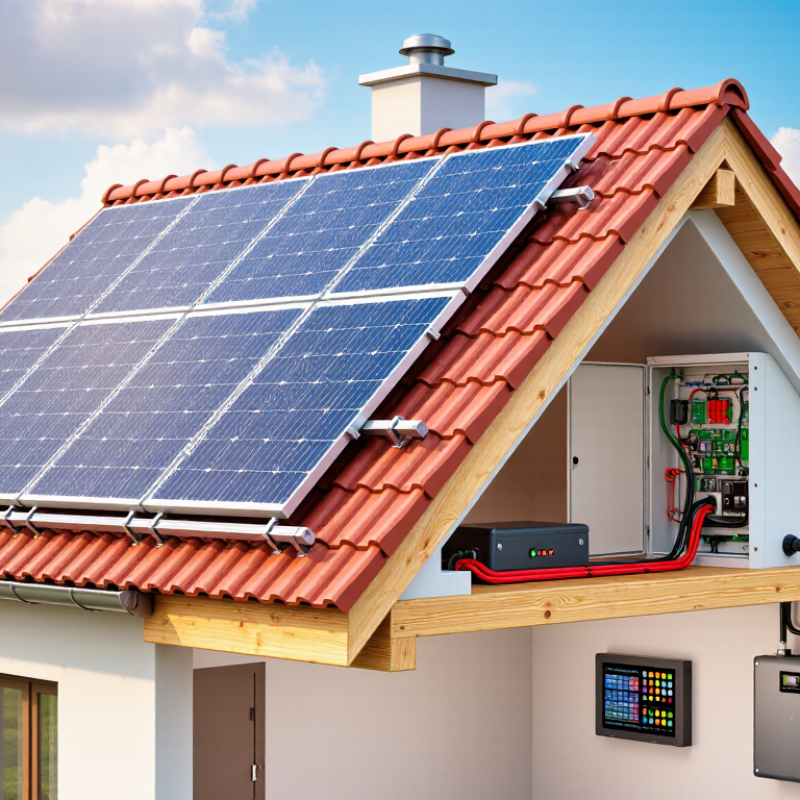
Solar Power Equipment: Definition and Main Components
What Is Solar Power Equipment How Does It Work?
Solar Power Equipment: Definition and Main Components
Solar power equipment includes the devices that capture sunlight, control electricity, store energy, and deliver usable power. The process begins with photovoltaic panels. Their solar cells convert sunlight into direct-current electricity. Panels perform best when shade, dust, and poor roof angles are carefully considered. Even a small shadow can reduce output across a connected panel group.
An inverter changes direct current into alternating current for household appliances and building circuits. It also monitors voltage, frequency, and system faults. Mounting rails keep panels secure during wind and changing weather. DC cables, AC wiring, disconnect switches, fuses, and grounding equipment support safe energy transfer. A meter records production and consumption, while monitoring equipment helps identify unusual drops in performance. These parts may look ordinary, but weak connections can create serious efficiency and safety problems.
Battery storage adds another layer.
A charge controller manages energy flowing into batteries, especially in off-grid systems. Batteries can supply electricity after sunset or during an outage, depending on system design. During site inspections, installers should check roof condition, cable routes, ventilation, and local electrical requirements. I have seen projects focus heavily on panel capacity while overlooking future battery space. That is an avoidable planning mistake. Equipment sizing also depends on daily loads, weather patterns, backup needs, and available sunlight. No system works perfectly under every condition. Awareness of its limits improves long-term decisions.
How Solar Panels Capture and Convert Sunlight
What Is Solar Power Equipment? How Does It Work?
Solar power equipment begins with photovoltaic panels, which capture sunlight through semiconductor cells. When sunlight reaches a cell, its energy moves electrons and creates direct current electricity. The panel is not storing power. It is producing electricity while light is available.
A rooftop system uses cables to carry this current to an inverter. The inverter changes direct current into alternating current for household appliances and electrical circuits. A meter then measures energy moving between the system, the building, and the utility network. Some systems include batteries, which store extra electricity for evening use. Mounting frames keep panels at a suitable angle and protect them from wind.
Real conditions are less perfect than diagrams suggest. Clouds, dust, shade, and high temperatures can reduce output. Even a small shadow from a chimney may affect several connected cells. During a practical inspection, technicians check loose connections, damaged insulation, water entry, and unusual heat around electrical parts. These details matter more than attractive panel placement alone.
The strongest sunlight is not always the only concern. Good airflow can help panels operate more efficiently because excessive heat lowers their electrical performance. Panel ratings also come from controlled laboratory conditions, not every rooftop. This difference can surprise new system owners. Careful design, qualified installation, and regular monitoring make the equipment safer and its production easier to understand.
How Solar Energy Moves From Generation to Household Use
Solar power equipment forms a working chain, not a single machine.
Photovoltaic panels convert sunlight into direct-current electricity through semiconductor cells. A typical rooftop array may produce more power at noon than a home needs. The inverter then converts DC electricity into household alternating current. It also monitors voltage, frequency, and system safety.
According to the IEA PVPS Trends 2024 report, global photovoltaic capacity surpassed 1.4 terawatts by the end of 2023.
That scale shows solar is no longer experimental, but every installation still depends on local conditions.
Inside the home, electricity moves through the inverter, distribution panel, and individual circuits.
Appliances use solar power immediately when generation matches demand. Extra electricity can charge a battery or flow through the meter into the grid, depending on local rules. After sunset, stored energy may supply selected circuits, while the grid covers the remaining load.
The U.S. National Renewable Energy Laboratory reports that photovoltaic system performance depends on orientation, shading, temperature, wiring, and inverter losses.
A panel rating is not a promise. Roof dust matters. So does a tree that grows over five years.
Real homes are messier.
A family may produce plenty of electricity at noon but need most of it after dinner. Smart controls can shift water heating or vehicle charging into sunny hours, yet these controls add cost and complexity. A careful installer should review load patterns, safety requirements, backup limits, and maintenance access.
The weakest assumption often becomes the system’s real limitation.
Factors That Affect Solar Equipment Performance and Selection
What Is Solar Power Equipment How Does It Work?
Solar power equipment converts sunlight into usable electricity. Panels produce direct current, while an inverter changes it into alternating current for household appliances. Batteries can store excess energy for evening use. Performance depends on more than panel size, however.
Shade from a chimney, tree, or nearby building can sharply reduce output. Even a narrow shadow across one panel may affect an entire series circuit. Roof direction and angle also matter. In many northern locations, a south-facing roof receives stronger annual exposure. Roofs with eastern or western exposure can still work, especially when morning or afternoon demand is higher.
Temperature creates a less obvious problem. Panels usually lose efficiency as their cells become hot. Good airflow beneath the panels can help control this loss. Dust accumulates. Pollen, bird droppings, and snow may block sunlight, so local maintenance conditions deserve attention. Equipment selection should match electricity use, roof structure, weather, and available space. A small home with heavy evening usage may need storage rather than more panels. A large roof does not automatically mean a better system. Wiring length, inverter capacity, battery cycling, and safety controls also influence reliability. Poorly matched components can waste energy and increase maintenance costs. A rough production estimate may look convincing, yet real results can vary because weather is never perfectly predictable. I would treat optimistic forecasts carefully and compare them with local solar data. No design is perfect.
What Is Solar Power Equipment and How Does It Work?
Solar photovoltaic equipment converts sunlight into electricity. The chart shows the theoretical DC output of a 1 m² photovoltaic module with 20% efficiency at different solar irradiance levels. Actual performance is also affected by temperature, shading, dust, orientation, wiring losses, and inverter efficiency.
Selection insight: Higher-efficiency modules produce more power from the same roof area, while properly sized inverters, suitable mounting angles, good ventilation, and low shading help maintain system performance.
Conclusion
Solar power equipment is a system that captures sunlight and transforms it into usable electricity. Its main components typically include solar panels, inverters, mounting structures, wiring, batteries, and charge controllers. Solar panels use photovoltaic cells to absorb sunlight and create direct current (DC) electricity. The inverter then changes this DC power into alternating current (AC), which most household appliances use. If batteries are included, they store extra energy for nighttime or cloudy periods, while charge controllers regulate the flow of electricity to help protect the batteries.
Understanding how does solar power equipment work also involves following the energy path from generation to use. Sunlight is converted by the panels, adjusted by the inverter, and distributed through the household electrical system. Performance and equipment selection depend on sunlight availability, roof direction, system size, temperature, shading, energy demand, battery capacity, and installation quality. Choosing properly matched components and maintaining them regularly can improve efficiency, reliability, and long-term energy savings.
 3UP Energy
