Top 10 Reasons Why Solar Energy Is Becoming More Popular?

Time:2026-11-02 Author:Oliver
0%

Why is solar energy becoming more popular? For many households and businesses, the answer is visible on rooftops, where dark panels turn bright daylight into usable electricity. Solar technology has become more accessible, while equipment costs have fallen over time. In many regions, owners can also compare installation quotes, check estimated savings, and monitor energy production through simple apps. The details matter. Roof direction, local weather, electricity prices, and installation quality can all change the results.

International Energy Agency Executive Director Dr. Fatih Birol described solar as “the new king of electricity markets” in the agency’s World Energy Outlook 2020. His words reflect solar’s growing role, but they do not mean every home is an ideal candidate. A shaded roof may produce less power. Upfront costs can still be a barrier, and panels do not generate electricity at night without storage or grid support. That is worth remembering.

This article explores the top 10 reasons solar energy is gaining attention, from potential bill savings and lower operational emissions to energy independence and expanding technology choices. It also considers the practical trade-offs behind the headlines. Solar can be a strong option, but the best decision begins with realistic local estimates, not a promise of effortless savings. The picture is promising, and still imperfect.
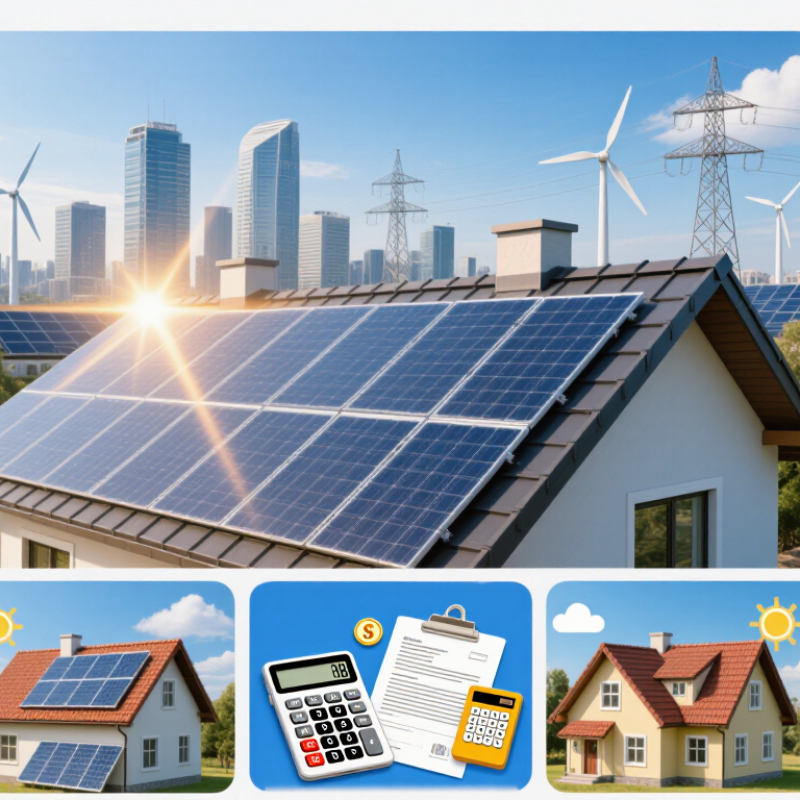
Top 10 Reasons Why Solar Energy Is Becoming More Popular?

Falling Costs Make Solar Power More Affordable

A decade ago, rooftop solar often felt like a major renovation reserved for homeowners with deep pockets. Today, lower equipment prices and more experienced installers have made many systems easier to afford. Still, panels are only part of the bill. Inverter equipment, permits, roof work, and electrical upgrades can change the final price. Small details matter. A shaded roof may need a different layout, while an aging roof could make repairs sensible before installation.

For households, the key comparison is not simply the panel price. It is the total installed cost set against expected electricity savings over time. A clear quote should show system size, estimated annual production, warranty terms, and financing charges. Local electricity rates, sunlight, roof direction, and available incentives all affect the payback period, so one neighbor’s result may not fit another home. Some financing plans reduce the upfront payment but increase total costs. That trade-off is easy to overlook. Comparing several itemized quotes and checking the assumptions can reveal whether a lower price is genuinely better value.

Improved Technology Boosts Solar Panel Performance

Improved technology is making solar panels more productive without requiring more roof space. Fraunhofer ISE’s Photovoltaics Report (2024) records a 27.3% silicon research-cell efficiency, but commercial modules achieve less. That gap matters. Newer cell designs, finer electrical contacts, and half-cut cells help reduce energy lost as heat or resistance. The ITRPV 2024 roadmap also shows n-type cells reaching about one-quarter of global cell production in 2023, reflecting the industry’s shift toward higher-performing designs.

Bifacial modules can capture light reflected from pale roofs or ground surfaces, while improved inverters manage changing output more precisely. These gains are real, but not automatic. A hot roof, afternoon shade, or poor panel orientation can reduce production; a lab record cannot predict a specific home’s bill. Even careful estimates may miss local conditions. That is worth remembering.

Tips: Ask for the panel’s efficiency rating and a site-specific production estimate. Check shade at different times of day, and keep space around panels clear. Small details matter. Compare expected yearly output, not just the panel’s peak rating.

Climate Concerns Increase Demand for Cleaner Energy

Climate concerns are changing how households and communities judge electricity. Hotter summers, smoke-filled skies, and heavier rain make energy choices feel less abstract. On a sunny afternoon, rooftop panels can turn daylight into power without burning fuel at home. That matters because fossil-fuel electricity releases heat-trapping gases. Solar’s climate benefit depends on the whole system, including manufacturing, transport, and energy storage. Still, over its operating life, solar generally produces far fewer emissions than coal- or gas-fired generation. The details matter.

Demand is also rising as people seek practical ways to reduce household emissions and exposure to fossil-fuel price swings. A family may see panels supply daytime appliances, while batteries can power some lights after sunset or during outages when paired with suitable backup equipment. But batteries add cost and require materials, and cloudy weather can lower output. Solar is not a complete answer; homes may still draw electricity from the grid when production falls. Roof shade, orientation, and seasonal use all affect results. I would not treat every estimate as a promise. Clear projections help buyers compare expected generation with actual bills and climate priorities.

Top 10 Reasons Why Solar Energy Is Becoming More Popular

Climate concerns are increasing demand for cleaner energy. Global solar power capacity has grown rapidly.

The sharp rise in installed solar capacity reflects the growing role of solar power in the global energy transition. Figures are rounded and represent cumulative capacity.

Source: International Renewable Energy Agency (IRENA), Renewable Capacity Statistics 2024.

Public Incentives Make Solar Systems Easier to Adopt

Public incentives can lower the upfront cost of a home solar system through rebates, tax benefits, or low-interest financing. The options vary by location, household, and program rules. Some incentives apply only to equipment costs, while others may depend on income or installation dates. A local energy office or qualified tax professional can help clarify current eligibility.

The difference can be practical: a rebate might cover part of the panels, inverter, or battery, leaving more room in a household budget. Still, incentives rarely make every project affordable. Small print matters. Before signing, compare written quotes and check whether the installer has included expected incentives or simply assumes you will claim them. Ask what happens if a program runs out of funds, and keep receipts, permits, and system specifications together. The paperwork can feel harder than choosing panels, which is a real wrinkle. Programs also change, so verify details through official sources before making a financial decision.

Top 10 Reasons Why Solar Energy Is Becoming More Popular? - Public Incentives Make Solar Systems Easier to Adopt

No. Reason What is driving interest Practical consideration
1 Public incentives can lower upfront costs Depending on the location, eligible systems may qualify for government tax credits, rebates, grants, or other support. Programs, eligibility rules, funding limits, and application deadlines vary by jurisdiction. Check current official guidance before making a purchase.
2 Solar can reduce grid electricity purchases A rooftop system can supply some of a property's electricity, reducing the amount that must be bought from the grid while the system is producing power. Savings depend on system size, household usage, local electricity prices, weather, and compensation for electricity sent to the grid.
3 Solar technology is widely available Photovoltaic panels are used on homes, businesses, community projects, and utility-scale installations, giving customers several possible ways to participate. Roof condition, shading, site layout, permits, and local rules affect whether a particular property is suitable.
4 More financing and ownership options are available In many markets, customers can compare cash purchases, loans, leases, or power-purchase agreements rather than relying on a single payment method. Contract terms, fees, ownership of incentives, maintenance responsibilities, and total cost differ; compare the full agreement.
5 Solar can help diversify energy supply Generating electricity on-site adds a local source of power alongside electricity from the grid. Grid-connected panels generally shut down during an outage unless the system has suitable storage or other approved backup equipment.
6 Battery storage can increase flexibility Pairing solar with a battery can store some daytime generation for later use and may provide backup power when configured for that purpose. Batteries add cost and have limited capacity. Backup duration depends on battery size, household demand, and system design.
7 Solar produces electricity without direct operating emissions Photovoltaic panels generate electricity without burning fuel at the point of generation, which can help reduce power-sector emissions when they displace higher-emission electricity. Manufacturing, transport, installation, and end-of-life management also have environmental impacts.
8 Systems can be sized for different needs Installations range from small systems for individual properties to larger projects serving many customers. A well-matched design considers energy use, available space, local grid requirements, and expected future changes in demand.
9 Community solar can widen access Where available, community solar programs let participants benefit from a shared project without installing panels on their own roof. Availability and consumer protections vary. Review subscription fees, contract length, cancellation terms, and how bill credits are calculated.
10 Interest in cleaner energy is growing Households, businesses, and public institutions increasingly consider renewable electricity as part of energy and emissions planning. Solar's overall environmental and financial benefits depend on local conditions, equipment choices, system performance, and how electricity is used.

Energy Independence Expands Solar Power’s Appeal

For many households, solar power offers more than a lower electricity bill. It can reduce dependence on a utility and make household energy costs less exposed to changing rates. A rooftop array produces electricity where it is used, while a home battery can store some daytime generation for evening use. That matters. During a grid outage, a suitably designed system may keep selected essentials running, such as a refrigerator, lights, or a phone charger. Solar does not guarantee uninterrupted power, though; system design and weather both shape what is available.

Energy independence looks different from one home to another. A family with a sunny roof and steady daytime use may benefit in ways that differ from a household shaded by tall trees. Reviewing past electricity bills, roof orientation, and local sunlight helps set realistic expectations. Batteries can add resilience, but they also increase upfront costs and may not suit every budget. The details matter.

There is a less tidy side to the choice. Solar panels do not erase reliance on the grid, especially through cloudy stretches or winter evenings. Some owners may still draw power from utility lines, depending on their system and local rules. That is not failure; it is a practical trade-off. A careful installer assessment and clear estimates can help households decide how much independence they actually want, rather than assuming every roof can become self-sufficient.

FAQS

Why has rooftop solar become more affordable?

Equipment prices have fallen, and installers have gained experience. The full project can still cost more than expected.

What costs should a solar quote include?

Check the panels, inverter, permits, roof work, and electrical upgrades. Ask for an itemized total.

How can I compare solar quotes fairly?

Compare system size, estimated yearly production, warranties, and financing charges. A lower price is not always better value.

What affects how quickly solar savings cover the cost?

Local electricity rates, sunlight, roof direction, and incentives all matter. Your neighbor’s payback estimate may not fit your home.

Should I repair my roof before installing panels?

If the roof is aging, repairs beforehand may make sense. A shaded roof may also need a different panel layout.

Can a home battery keep essentials running during an outage?

A suitably designed system may power a refrigerator, lights, or a phone charger. It cannot guarantee uninterrupted electricity.

Does solar make a household fully independent from the grid?

Not necessarily. Cloudy weather and winter evenings can mean drawing electricity from utility lines.

Is a battery worth the extra cost?

It can provide backup power and store daytime energy for evening use. It also raises upfront costs, so the value depends on your needs and budget. That trade-off is easy to miss.

Conclusion

Solar energy is becoming more popular for several practical reasons. The cost of solar panels and installation has fallen, making systems more affordable for households and businesses. At the same time, improvements in technology have helped panels convert sunlight into electricity more efficiently and perform reliably in a wider range of conditions. These changes make solar power a more accessible option for people looking to manage their energy use and long-term costs.

Climate concerns are also encouraging demand for cleaner energy sources. Many people want to reduce their reliance on fossil fuels and support a lower-emission energy future. Public incentives can further ease the initial cost of adopting solar, while generating electricity at home can provide greater energy independence and reduce exposure to changing energy prices. Together, these factors help explain why is solar energy becoming more popular: it is increasingly affordable, effective, and appealing to people seeking cleaner, more self-reliant energy.

Oliver

Oliver

Oliver is a seasoned marketing professional with a wealth of expertise in driving brand awareness and engagement. With a deep understanding of our company's product offerings, he consistently delivers high-quality content that enriches our professional blog. His insights not only shed light on......