Why Is Solar Energy Important for Long Term Energy Planning?

Time:2026-09-19 Author:Sienna
0%

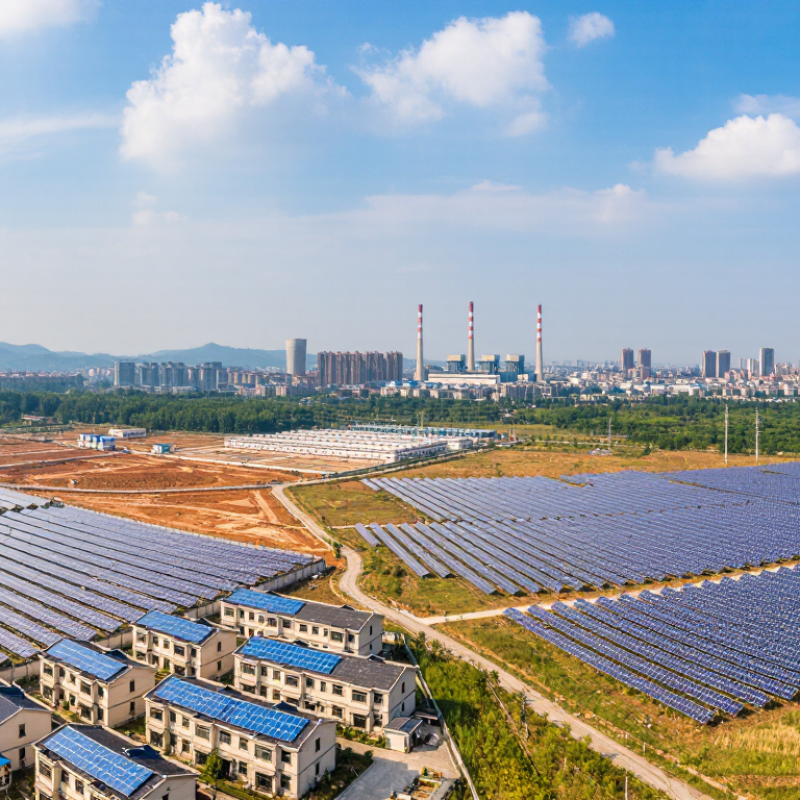
Long-term energy planning must answer a difficult question: how can societies secure affordable power while reducing emissions and fuel dependence? Solar energy offers a practical part of that answer. Its modules can cover rooftops, parking areas, industrial land, and carefully selected utility-scale sites. These visible assets create a more flexible generation system.

The International Energy Agency reported that solar photovoltaic capacity additions reached a record level in 2023, driven by falling costs and strong policy support (IEA, Renewables 2024). IRENA also found that utility-scale solar remained among the most cost-competitive new power sources in 2023 (IRENA, Renewable Power Generation Costs in 2023). These figures explain why planners increasingly ask, “how does solar energy support long term energy planning?” Solar can reduce exposure to volatile imported fuels, support local electricity production, and complement batteries, transmission, hydropower, and demand response. It can also shorten construction timelines compared with many large thermal projects.

Fatih Birol, Executive Director of the IEA, stated, “Solar PV is now the cheapest source of electricity in history” (IEA, World Energy Outlook 2020). His observation is influential, but it should not end the discussion. Solar output changes with clouds, seasons, and daylight. A rooftop panel cannot power a hospital at midnight without storage or grid support. Long-term plans therefore need realistic resource assessments, recycling strategies, land-use safeguards, and resilient networks. The strongest evidence does not present solar as a complete solution. It presents solar as a dependable planning foundation when paired with flexibility, responsible investment, and honest evaluation.
Why Is Solar Energy Important for Long Term Energy Planning?

Solar Energy as a Foundation for Long-Term Energy Planning

Why Is Solar Energy Important for Long Term Energy Planning?

Solar energy can serve as a foundation for long-term energy planning because sunlight is widely available and renewable. A well-designed solar project can reduce dependence on finite fuels and stabilize energy costs over time. It also supports gradual growth, allowing planners to add capacity as communities expand. Rooftop panels, community arrays, and utility-scale sites can work together. However, solar output changes with weather and daylight. Ignoring this weakness creates fragile plans.

Tips: Use local sunlight data, not broad regional estimates. Pair solar generation with storage, flexible demand, and stronger transmission. Check land conditions, recycling options, and maintenance access before approving projects. Consult residents early. Their knowledge may reveal drainage, farming, or cultural concerns that maps miss.

Long-term planning should measure the full system, not panels alone. Analysts need to compare construction emissions, operating life, water use, grid upgrades, and battery replacement. Seasonal demand matters too. A winter heating peak may arrive after sunset, when solar production falls sharply. No forecast is perfect. My planning approach would include several scenarios, including cloudy years, delayed construction, and faster electricity demand. This may appear cautious, but energy systems often fail when optimistic assumptions become permanent decisions.

Why Is Solar Energy Important for Long-Term Energy Planning?

Global solar electricity generation increased from approximately 197 TWh in 2014 to 1,631 TWh in 2023. This sustained growth shows how solar energy can support long-term planning by diversifying electricity supply, reducing dependence on finite fuels, and enabling scalable low-carbon generation.

Data source: Energy Institute Statistical Review of World Energy 2024. Values represent global solar electricity generation.

How Solar Power Supports Energy Security and Resource Stability

Solar energy supports long-term energy security by reducing dependence on imported fuels. Sunlight is available across many regions, even when fuel markets become unstable. In practical planning, solar projects can be built near homes, factories, and farms. This shortens supply routes and reduces pressure on distant transmission lines. A rooftop system can also keep essential equipment running during limited grid disruptions.

Solar power improves resource stability because it uses very little water during operation. This matters in dry regions, where power stations may compete with agriculture for water. During a site assessment, planners examine sunlight levels, land conditions, grid capacity, and seasonal demand. They also study cloudy weeks, because annual averages can hide difficult periods. Solar production is variable. That gap matters.

Energy planners often combine solar farms with batteries, flexible demand, and other generation sources. Batteries can store afternoon electricity for evening cooking, cooling, or medical equipment. Demand management can shift some industrial activity toward sunny hours. Still, storage remains costly, and battery materials require careful sourcing. Not always simple. Field experience also reveals dust, heat, shading, and maintenance problems that forecasts may overlook. Cleaning schedules, trained technicians, and clear performance records improve reliability. A credible energy plan should publish these limits, not promise perfect independence. It should measure results over many seasons and adjust capacity when real demand changes.

Why Is Solar Energy Important for Long Term Energy Planning? - How Solar Power Supports Energy Security and Resource Stability

Planning Dimension Measured Indicator Verified Data Long-Term Planning Relevance Source
Global Deployment Global installed solar power capacity Approximately 1,419 GW at the end of 2023 A large and geographically diverse solar fleet can reduce dependence on a limited number of conventional fuel supply routes. International Renewable Energy Agency, Renewable Capacity Statistics 2024
Expansion Rate Solar capacity added during 2023 Approximately 345 GW, representing about 73% of all renewable capacity additions that year Rapid construction times allow planners to expand generation capacity and respond to rising electricity demand more quickly. International Renewable Energy Agency, Renewable Capacity Statistics 2024
Electricity Contribution Share of global electricity generation Approximately 5.5% in 2023 Solar is already a significant global electricity source, while its variable output makes grid flexibility, storage, and demand management important planning priorities. Ember, Global Electricity Review 2024
Cost Stability Global weighted-average utility-scale solar PV electricity cost About USD 0.049 per kWh in 2022, compared with about USD 0.460 per kWh in 2010 Lower generation costs can improve affordability and reduce exposure to unpredictable fossil-fuel price movements. International Renewable Energy Agency, Renewable Power Generation Costs in 2022
Fuel Security Fuel requirement during operation No ongoing fuel consumption for electricity generation Solar power reduces the need to secure continuous deliveries of coal, natural gas, or oil and limits exposure to fuel-import disruptions. Intergovernmental Panel on Climate Change, AR6 Working Group III
Emissions Reduction Lifecycle greenhouse-gas emissions Typically about 20–50 g CO₂-equivalent per kWh for solar PV, depending on technology and manufacturing conditions Including solar in long-term plans can lower power-sector emissions and reduce the need for future carbon-intensive infrastructure. Intergovernmental Panel on Climate Change, AR6 Working Group III
Resource Availability Energy resource characteristics Solar radiation is available in every region, although output varies by location, season, weather, and daylight hours Local and distributed generation can diversify the electricity mix and reduce reliance on concentrated energy resources. International Energy Agency, Renewables 2023
Grid Resilience System integration requirement Storage, transmission, forecasting, and demand response are required as solar penetration increases Long-term plans should combine solar deployment with flexible resources to manage daily and seasonal variability. International Energy Agency, Renewables 2023
Water and Resource Stability Operational water requirement Solar PV electricity generation does not require cooling water during normal operation Solar PV can help reduce competition between electricity generation and water use, especially in water-stressed regions. International Energy Agency, World Energy Outlook 2023
Energy Access and Distribution Deployment options Can be deployed through utility-scale, commercial, residential, and mini-grid systems Multiple project sizes allow planners to support centralized generation, local resilience, and electrification in remote areas. International Renewable Energy Agency, World Energy Transitions Outlook 2023

Note: Values are global estimates and may vary by source, technology type, location, and reporting year.

The Role of Solar Energy in Reducing Environmental Impacts

Why Is Solar Energy Important for Long Term Energy Planning?

The Role of Solar Energy in Reducing Environmental Impacts

Solar energy can reduce pollution from electricity generation over decades. Unlike coal and gas plants, solar panels produce electricity without burning fuel during operation. This avoids ongoing carbon dioxide, sulfur dioxide, and nitrogen oxide emissions. Cleaner air can benefit communities living near busy power facilities.

Solar projects also use less water than many thermal power stations. This matters in regions facing drought or declining groundwater. A well-sited solar installation can reuse rooftops, parking areas, and disturbed land. It can protect productive farmland and reduce habitat disruption. Small choices matter.

Still, solar power is not environmentally perfect. Manufacturing panels requires minerals, energy, and industrial chemicals. Mining can damage ecosystems when oversight is weak. Panel recycling remains uneven in many markets. These limitations deserve honest attention, not optimistic marketing.

Long-term planning should examine the full life cycle of each project. Environmental reviews can measure land disturbance, wildlife movement, water use, and local employment. Developers can place panels away from sensitive habitats and restore soil after construction. Pairing solar farms with grazing or pollinator planting may support biodiversity, although results vary by climate and management.

Solar output changes with clouds, seasons, and daylight. Reliable planning therefore needs storage, stronger transmission, and flexible demand. Batteries also require materials and careful end-of-life handling. The cleanest energy plan is not simply the one with the most panels. It is the one that reduces emissions while respecting land, water, workers, and nearby residents.

Solar Technology, Costs, and Infrastructure Development

Solar energy has become a practical tool for long-term energy planning. Modern photovoltaic systems convert sunlight into electricity with fewer moving parts than conventional generators. In field assessments, roof angle, shading, dust, and local weather strongly affect actual output. These details matter more than a headline efficiency number.

Equipment costs have declined, but a low panel price does not define project value. Installation, land preparation, permits, maintenance, and financing can change the budget significantly. Storage adds flexibility when solar production drops after sunset. However, batteries also require replacement planning and careful safety management. That part is sometimes underestimated. Cost forecasts should use several weather and price scenarios, not one confident estimate.

Infrastructure development is equally important. High solar production can overload local distribution lines if upgrades arrive too late. Grid operators may need stronger substations, smarter controls, and new transmission routes. Rural projects often face long connection queues and limited road access. Good planning studies hourly demand, seasonal sunlight, reserve capacity, and nearby land constraints. Even detailed models remain imperfect. Unexpected cloud cover, equipment degradation, or delayed construction can weaken financial assumptions. A responsible plan leaves room for monitoring, repairs, and design changes as real operating data becomes available.

Challenges and Planning Considerations for Solar Energy Adoption

Solar energy matters in long-term energy planning because sunlight is widely available and fuel costs are predictable. However, adoption requires more than installing panels on empty land. Planners must compare solar output with hourly electricity demand, local weather, land conditions, and grid capacity. A sunny afternoon may produce excess power, while households need more electricity after sunset. That mismatch affects storage, transmission, and backup generation decisions.

Practical planning starts with detailed site assessments. Engineers examine shading, panel orientation, soil stability, water access, and nearby substations. They also model cloudy weeks, heat waves, storms, and gradual panel degradation. Battery storage can shift electricity into evening hours, but it adds cost, maintenance needs, fire-safety requirements, and material concerns. Grid upgrades may take years, especially where permits and public consultations are necessary. Poorly planned projects can also compete with farming, wildlife habitats, or local community priorities.

Long-term studies should test several scenarios instead of trusting one forecast. Electricity demand may rise faster than expected because of transport and building electrification. Interest rates, equipment prices, and connection delays can change project economics. Recycling plans deserve attention before large arrays reach retirement. Some assumptions will be wrong. That is normal, but ignoring uncertainty is not. Regular reviews, transparent data, and clear performance measurements help planners adjust capacity without wasting public resources. Small pilot projects can reveal maintenance problems before expansion. Forecasts need humility.

FAQS

Why is solar energy useful for long-term energy planning?

Sunlight is widely available and renewable. Solar can reduce reliance on finite fuels and stabilize energy costs. Capacity can grow gradually as communities expand. Still, cloudy days and nighttime create planning challenges.

How should planners estimate solar production?

Use local sunlight data, not broad regional averages. Examine roof angle, shading, dust, and seasonal weather. A nearby tree can reduce output. One forecast is not enough.

Can different solar projects work together?

Yes. Rooftops, community arrays, and larger sites can form one system. This approach spreads generation across locations. It may also reduce pressure on a single project.

What supports solar power when sunlight disappears?

Storage can supply electricity after sunset. Flexible demand can shift some usage to sunny hours. Stronger transmission can move power between regions. Winter heating peaks still need careful planning.

Does solar energy reduce environmental impacts?

Solar produces electricity without burning fuel during operation. This can reduce carbon dioxide, sulfur dioxide, and nitrogen oxide emissions. It usually uses less water than thermal power stations. The benefits depend on project location and design.

Is solar energy completely environmentally friendly?

No. Manufacturing requires minerals, energy, and industrial chemicals. Mining may damage ecosystems when oversight is weak. Recycling options remain uneven. Calling solar impact-free would be misleading.

What should be considered when choosing a solar site?

Review land conditions, wildlife movement, water use, drainage, and maintenance access. Rooftops, parking areas, and disturbed land may reduce habitat disruption. Residents may identify farming or cultural concerns that maps miss.

What costs are often underestimated?

Panel prices are only one part of the budget. Installation, permits, land preparation, financing, maintenance, and grid upgrades also matter. Batteries require replacement planning and safety management. My earlier assumptions would need testing against real operating data.

Why are grid upgrades important for solar development?

High solar production can overload local distribution lines. Projects may need stronger substations, smarter controls, or new transmission routes. Rural sites can face long connection queues and limited road access. Delays can weaken financial assumptions.

How can planners handle uncertainty?

Use scenarios for cloudy years, delayed construction, rising demand, and changing prices. Include equipment degradation and seasonal demand. Monitor real performance after construction. Plans should allow repairs and design changes. Perfect forecasts do not exist.

Conclusion

Solar energy provides a practical foundation for long-term energy planning by offering a renewable resource that can be developed gradually and used across residential, commercial, and industrial settings. Unlike finite fuels, sunlight is widely available and can help diversify energy supplies, reduce dependence on imported resources, and strengthen energy security. Its flexible scale also supports stable planning, from small local systems to large regional projects.

To understand how does solar energy support long term energy planning, it is important to consider its environmental, economic, and infrastructure benefits. Solar power produces electricity with minimal operational emissions, helping reduce air pollution and climate-related impacts. Continued improvements in technology, storage, grid management, and installation methods can improve reliability and lower long-term costs. However, effective adoption requires careful planning for land use, transmission capacity, energy storage, recycling, weather variability, and community needs. Balancing these challenges with clear policies and investment can make solar energy a dependable part of a resilient future energy system.

Sienna

Sienna

Sienna is a skilled marketing professional with a deep expertise in our company’s core products and services. With a passion for innovation and detail, she plays a pivotal role in crafting insightful blog posts that not only highlight the unique features of our offerings but also provide valuable......