Shanghai 3UP Energy Co., Ltd. is a professional Solar Power Equipment Manufacturer specializing in renewable energy systems, energy storage integration, and smart power solutions for residential, commercial, industrial, and utility-scale applications. Based in Shanghai, China, the company focuses on delivering advanced solar energy technologies that help customers improve energy efficiency, reduce operating costs, and accelerate the transition toward sustainable power generation.
With extensive expertise in renewable energy engineering, 3UP Energy provides comprehensive solutions covering solar power systems, energy storage integration, smart energy management, distributed energy applications, microgrid projects, backup power solutions, and clean energy infrastructure. The company serves a wide range of industries including manufacturing, commercial facilities, public infrastructure, agriculture, logistics, telecommunications, and utility energy projects.
3UP Energy is committed to innovation, system reliability, and long-term performance. Its engineering and technical teams work closely with project developers, EPC contractors, distributors, and energy service providers to design customized solutions based on specific operational requirements, environmental conditions, and energy objectives. From project planning and system design to manufacturing, testing, and technical support, the company provides end-to-end services throughout the project lifecycle.
Equipped with modern production facilities and comprehensive quality management systems, the company maintains strict standards across product development and manufacturing processes. Continuous investment in research and development enables 3UP Energy to integrate intelligent control technologies, advanced monitoring platforms, and energy optimization solutions into its renewable energy systems.
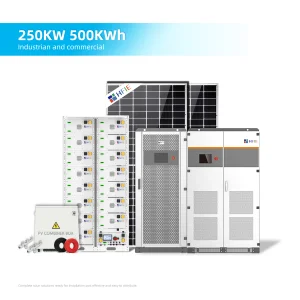
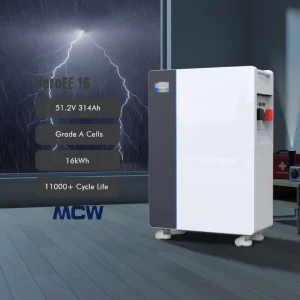
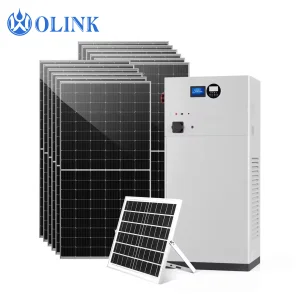
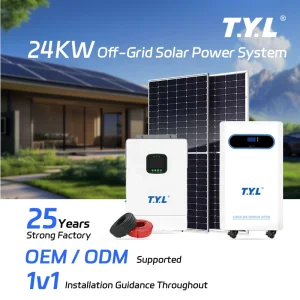
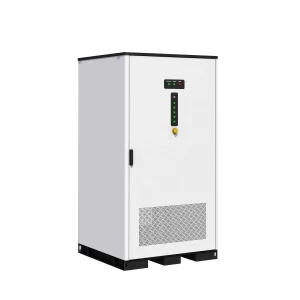
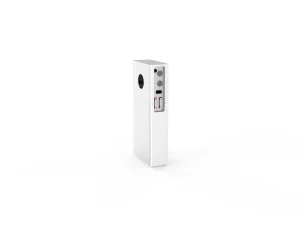
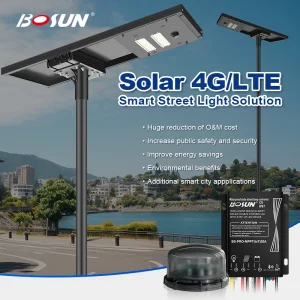
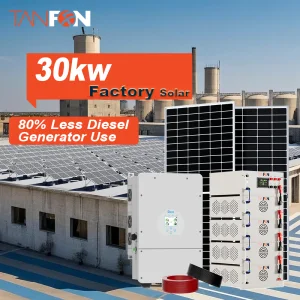
Explore our premium grade hardware configured for utility-scale deployment and commercial optimization.
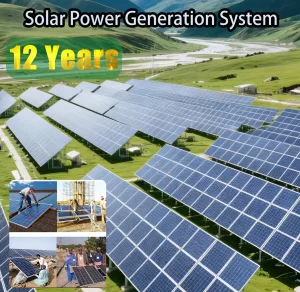
The global transition toward clean, sustainable energy has accelerated rapidly. Large-scale photovoltaic (PV) installations are no longer mere alternatives to fossil fuels; they are now the foundation of modern grid expansions. As global electricity demands rise and decarbonization mandates tighten, developer focus is shifting toward large-scale solar farm developments that offer both bankability and long-term mechanical reliability.
China is at the center of this transformation. Serving as the primary engine for green supply chains, Chinese manufacturers produce over 80% of the world’s PV components. Wholesale solar farm projects rely on this manufacturing ecosystem to keep capital expenditures (CAPEX) manageable while optimizing Levelized Cost of Energy (LCOE) performance. By partnering directly with Chinese factories and exporters, developers can access custom ground-mounting racking systems, industrial-grade hybrid systems, and advanced power management solutions that meet localized grid codes worldwide.
Modern utility-scale solar farms must do more than just capture sunlight; they need to support grid stability. Intermittent solar production requires advanced electrical integration. High-efficiency modules, such as N-type TOPCon and Heterojunction (HJT) technologies, are now standard in large projects due to their lower degradation rates and superior temperature coefficients.
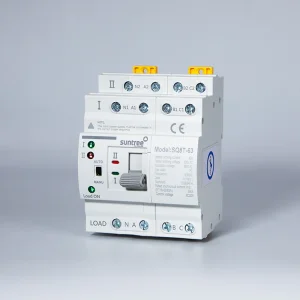
However, generating power efficiently is only half the battle. Balance of System (BOS) components, such as high-current DC combiners, heavy-duty smart tracking systems, and Dual Power Automatic Transfer Switches (ATS), are critical for maintaining uptime. If a grid disturbance or utility failure occurs, automated switching systems must redirect load flow instantly. This prevents power outages and protects system components from transient voltage spikes.
"The integration of high-performance BESS (Battery Energy Storage Systems) and smart controller technology has transformed modern utility solar. Systems are transitioning from passive generation units into active grid assets capable of peak shaving, frequency regulation, and automated backup supply."
Dual-use land solutions combine solar generation with agricultural cultivation. High-clearance ground racking systems allow farming machinery to operate underneath while protecting crops from extreme heat.
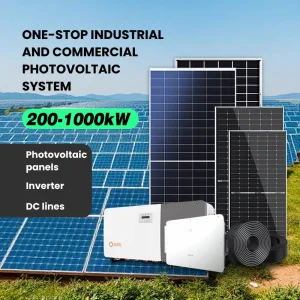
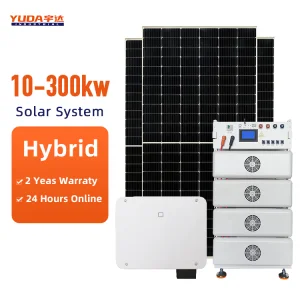
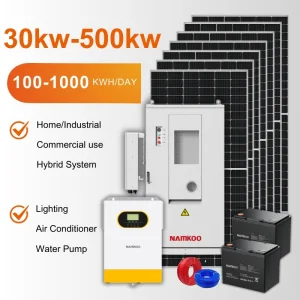
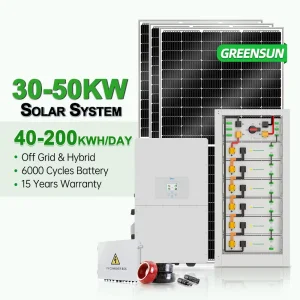
Industrial parks and factories use complete hybrid solar kits with integrated battery storage to ensure continuous power during grid outages, reducing peak demand charges.
Urban architecture integrates photovoltaic materials directly into building envelopes. Thin-film or crystalline cells embedded in curtain walls turn high-rise commercial structures into vertical power plants.
The next phase of solar utility development will rely on AI-driven performance optimization. Smart tracking systems use real-time weather feeds to adjust module angles, maximizing yield even on cloudy days. Meanwhile, cloud-connected string inverters constantly run diagnostic scans to identify cell-level anomalies before they cause broader outages.
As grid connection requirements tighten across Europe and North America, developers must use systems capable of advanced active/reactive power control. Incorporating smart switching systems, grid-tied lithium storage, and modular racking hardware allows developers to build systems that satisfy local regulations and withstand severe weather events.
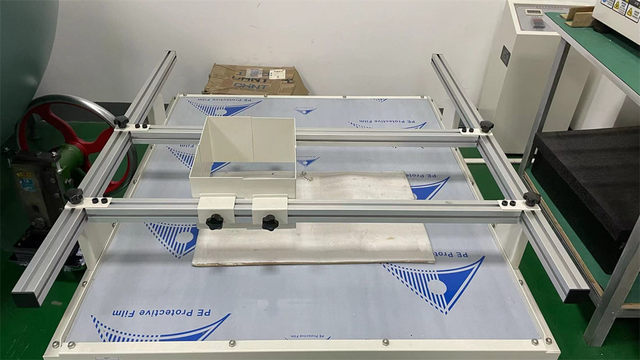
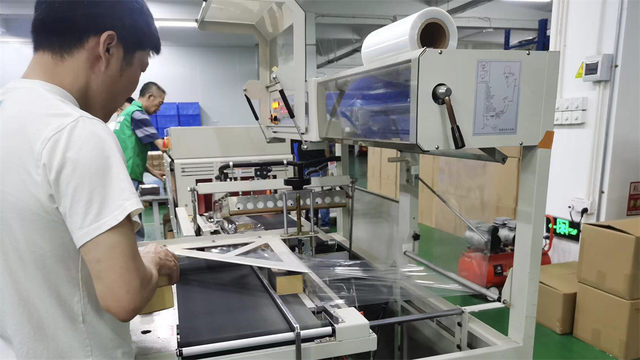
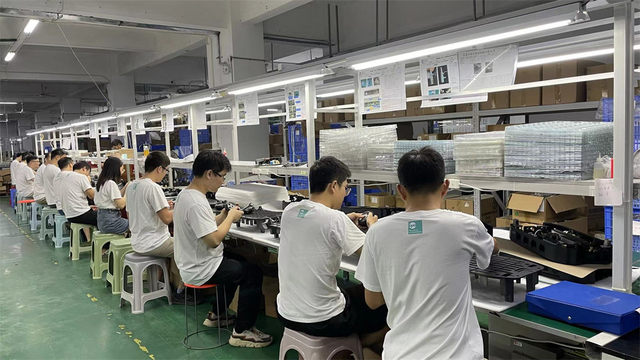
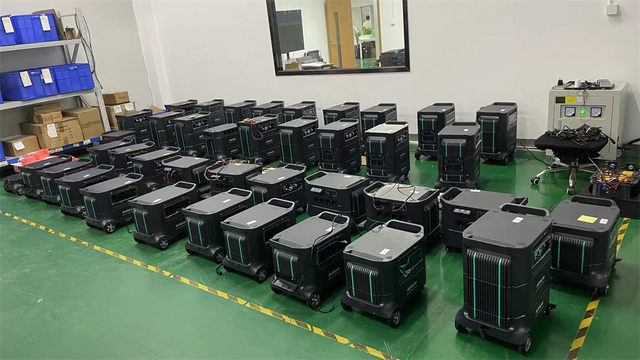
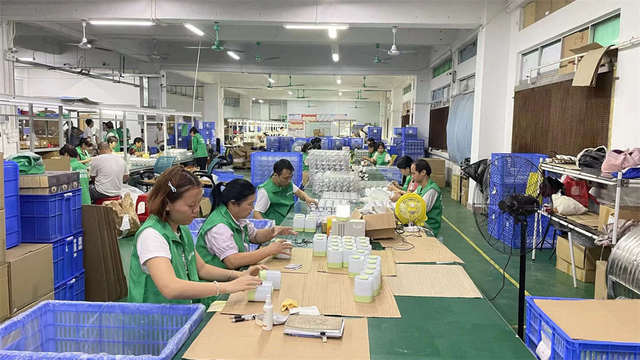
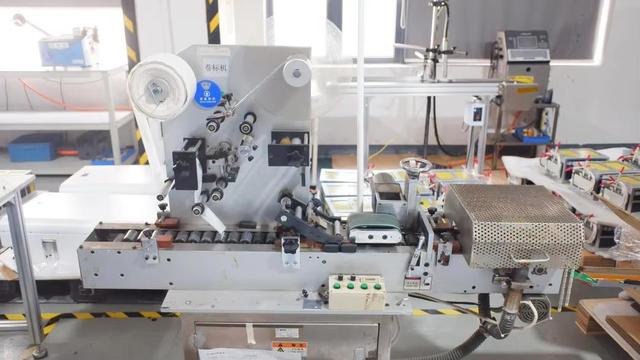
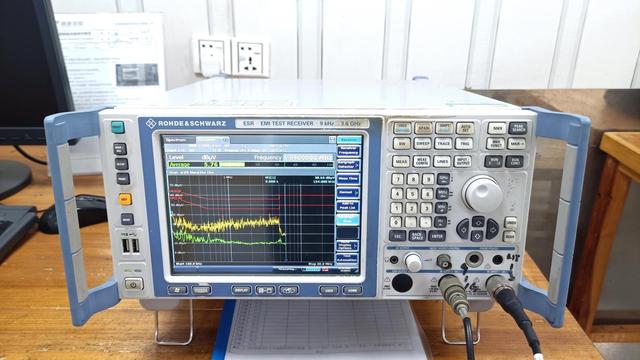
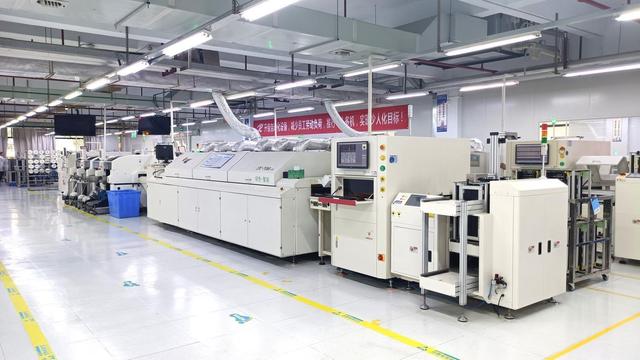
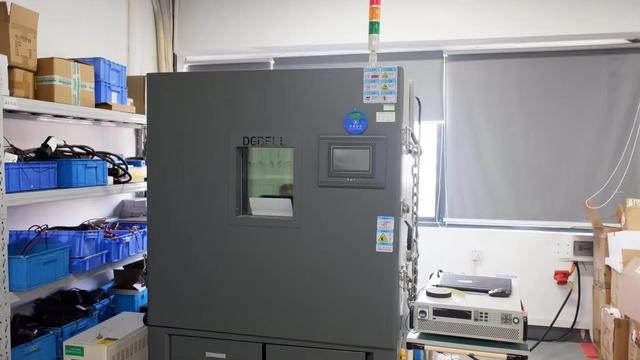
A look inside Shanghai 3UP Energy Co., Ltd.'s facilities, showing our strict testing procedures and quality control standards.
Serving customers across Asia, Europe, North America, South America, the Middle East, Africa, and other international markets, Shanghai 3UP Energy Co., Ltd. is dedicated to delivering reliable solar power equipment and smart energy solutions that support clean energy adoption, enhance energy resilience, and contribute to a more sustainable and efficient global energy future.
Get answers to common technical, commercial, and structural questions about large-scale solar farm developments.
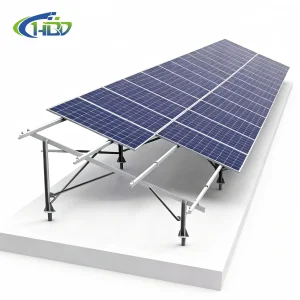
Our utility-scale solar farm PV ground racking systems are engineered for durability, designed to handle wind loads up to 60 m/s and snow loads up to 1.4 KN/m². We adjust the structural layout and steel/aluminum thicknesses based on localized geotechnical and weather reports.
The Advanced Automatic Transfer Switch (ATS) features smart control logic that monitors voltage in real time. If grid quality falls below set thresholds, the switch isolates the main line and connects to the solar or battery generator in under 50ms, keeping critical operations running smoothly.
Yes. Our industrial-grade hybrid solutions use modular architectures. Both our BESS cabinets and power conversion systems (PCS) can be connected in parallel. This allows developers to scale system capacity as local energy demands grow.
All our products meet international regulatory and safety guidelines. We hold CE, TUV, UL, IEC, and ISO9001 certifications, ensuring smooth customs processing and hassle-free local utility approvals.
BIPV (Building-Integrated Photovoltaics) replaces traditional building materials, such as facade glass, with energy-producing solar panels. While vertical installations receive less direct overhead sunlight than tilted roof arrays, BIPV offsets material costs and turns building facades into consistent power generators throughout the day.
Explore our lineup of commercial-grade batteries, off-grid systems, and smart control components.
 3UP Energy