Advanced high-voltage connection units, eco-friendly transformers, and integrated grid systems
Global energy grids are undergoing a paradigm shift. Traditional grid setups are proving insufficient to handle the intermittent nature of multi-megawatt solar inputs. This mismatch requires advanced grid-tied subsystems, high-capacity hybrid balance of plant (BoP) setups, and highly responsive Battery Energy Storage Systems (BESS).
Today's developers focus on reducing Levelized Cost of Storage (LCOS) and Levelized Cost of Energy (LCOE). The integration of smart grid-connected cabinets, high-voltage bidirectional metering systems compliant with European standards (such as MID and PTB Eichrecht), and transformers using biodegradable fluids represents the cutting edge of modern green infrastructure.
"Information Gain" Key Takeaway: Modern utility-scale PV stations are shifting from 1000V DC operating voltages to 1500V DC and above. This transition reduces balance of system (BOS) cabling costs by up to 30%, but demands next-generation distribution gear and highly reliable protection relays capable of managing high-power transients without thermal degradation.
Increasing system voltage reduces electrical loss, lowers conductor weight, and enables larger inverter blocks, streamlining EPC operations at industrial scale.
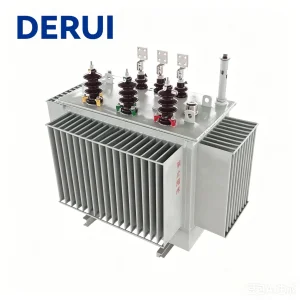
Moving away from toxic mineral oils, modern grid transformers utilize biodegradable ester fluids to minimize soil contamination risk and lower safety clearances.
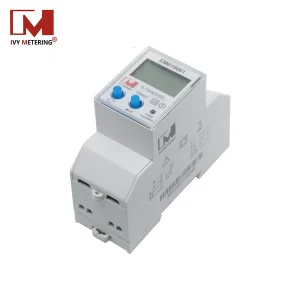
Bidirectional, high-accuracy meters ensure seamless integration with electric vehicle fast-charging hubs and regional smart grids.
Delivering high-performance solar assets across major international energy corridors
When engineering firms and engineering, procurement, and construction (EPC) contractors select suppliers for solar infrastructure, they evaluate key parameters that directly impact project viability and safety. High-performance projects require hardware that matches local grid codes and handles environmental extremes:
From distributed microgrids to high-voltage industrial solar systems
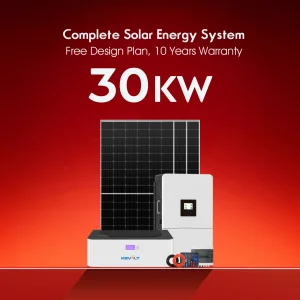
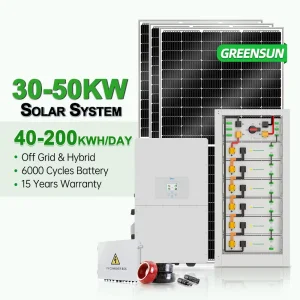
Integrating battery energy storage systems (BESS) with rooftop solar installations allows commercial and industrial sites to manage peak loads and access backup power. Combining these systems with high-efficiency distribution boxes reduces line losses and helps prevent grid overloads.
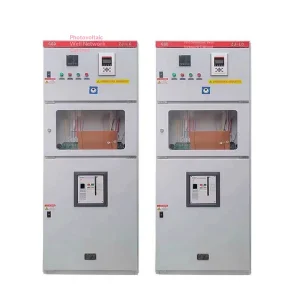
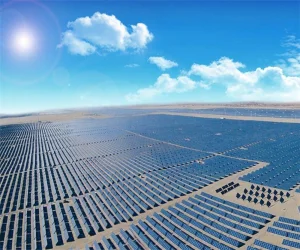
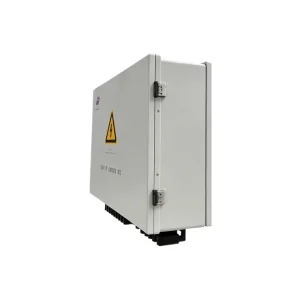
Large-scale solar installations require robust power distribution systems. Using low-voltage grid cabinets alongside smart monitoring combiners and oil-immersed transformers provides a reliable solution for transferring power from solar fields directly to local utility lines.
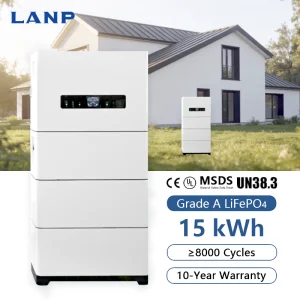
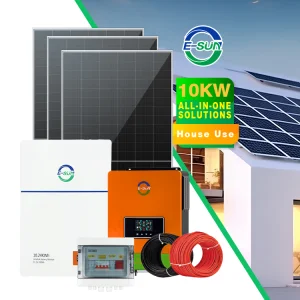
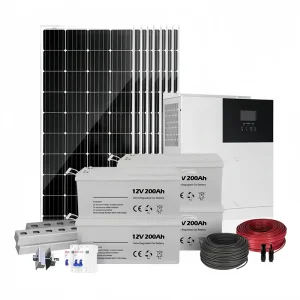
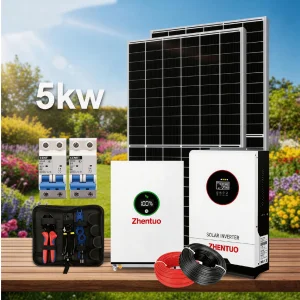
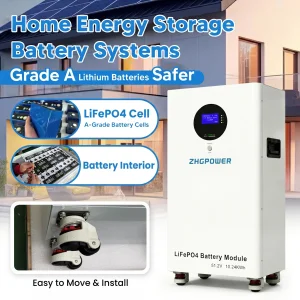
For residential use, all-in-one solar energy storage systems and hybrid inverters simplify installation. Wall-mounted LiFePO4 batteries offer a compact option for backup power, helping households maximize solar self-consumption and lower grid energy reliance.
The next generation of solar infrastructure is focusing on system-level intelligence. Hardware must adapt to dynamic grid conditions. Future systems will feature built-in IoT diagnostics, solid-state relays for fast circuit interruption, and high-performance battery chemistries like semi-solid-state lithium.
Additionally, bidirectional energy flows are becoming standard. Equipment like the MID PTB Eichrecht 300A DC meter allows electric vehicle infrastructure to interface directly with regional energy networks. Integrating these smart components helps solar sites stabilize local grids and generate new revenue from grid ancillary services.
Shanghai 3UP Energy Co., Ltd. is a professional Solar Power Equipment Manufacturer specializing in renewable energy systems, energy storage integration, and smart power solutions for residential, commercial, industrial, and utility-scale applications. Based in Shanghai, China, the company focuses on delivering advanced solar energy technologies that help customers improve energy efficiency, reduce operating costs, and accelerate the transition toward sustainable power generation.
With extensive expertise in renewable energy engineering, 3UP Energy provides comprehensive solutions covering solar power systems, energy storage integration, smart energy management, distributed energy applications, microgrid projects, backup power solutions, and clean energy infrastructure. The company serves a wide range of industries including manufacturing, commercial facilities, public infrastructure, agriculture, logistics, telecommunications, and utility energy projects.
3UP Energy is committed to innovation, system reliability, and long-term performance. Its engineering and technical teams work closely with project developers, EPC contractors, distributors, and energy service providers to design customized solutions based on specific operational requirements, environmental conditions, and energy objectives. From project planning and system design to manufacturing, testing, and technical support, the company provides end-to-end services throughout the project lifecycle.
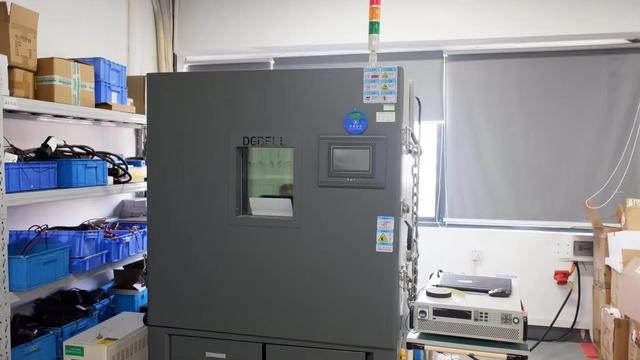
Equipped with modern production facilities and comprehensive quality management systems, the company maintains strict standards across product development and manufacturing processes. Continuous investment in research and development enables 3UP Energy to integrate intelligent control technologies, advanced monitoring platforms, and energy optimization solutions into its renewable energy systems.
Serving customers across Asia, Europe, North America, South America, the Middle East, Africa, and other international markets, Shanghai 3UP Energy Co., Ltd. is dedicated to delivering reliable solar power equipment and smart energy solutions that support clean energy adoption, enhance energy resilience, and contribute to a more sustainable and efficient global energy future.
Scalable battery packs, complete industrial sets, and containerized EPC solutions
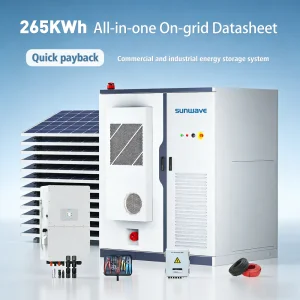
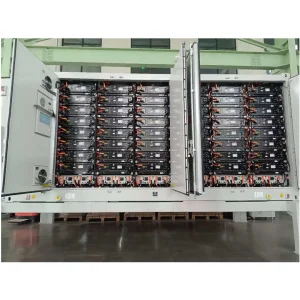
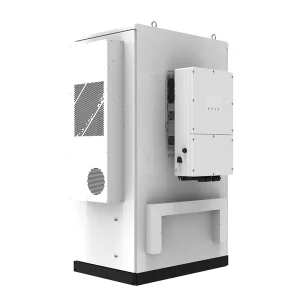
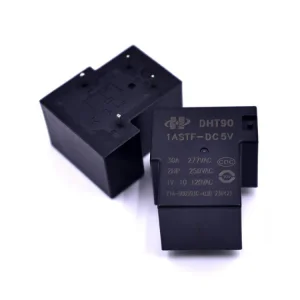
Deploying energy systems globally requires adhering to regional regulations. Certifications like MID (Measuring Instruments Directive) and German Eichrecht are required for bidirectional energy metering in European EV charging infrastructure, ensuring billing accuracy and user confidence.
Whether using stainless steel combiner boxes for high-humidity installations or installing 100kWh commercial battery enclosures, equipment must meet CE, TUV, and RoHS standards to verify electrical safety and material compliance.
Selecting qualified suppliers helps developers mitigate project risks. Technical support plays a key role throughout the lifecycle—from sizing battery systems and calculating fault currents to commissioning containerized energy storage units.
Partnering with experienced manufacturers provides project developers with the engineering support needed to integrate equipment into existing electrical networks, ensuring long-term system reliability.
Expert answers to critical engineering, safety, and logistical questions
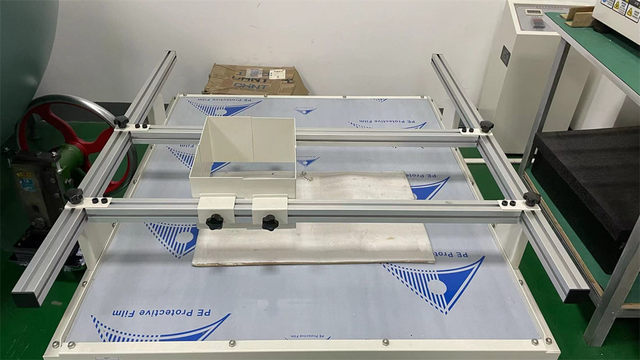
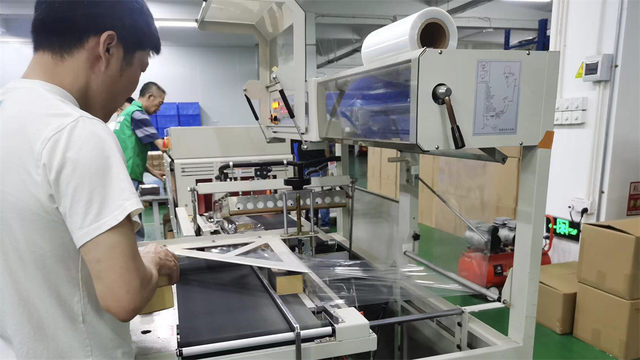
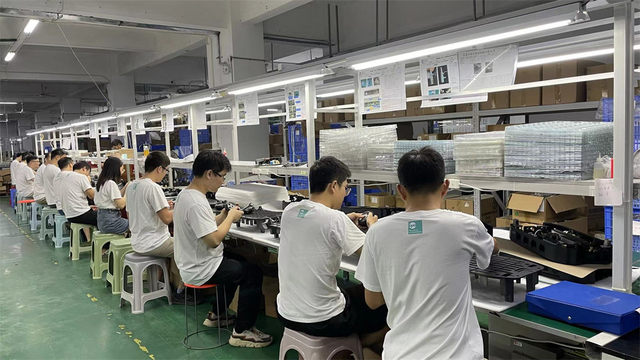
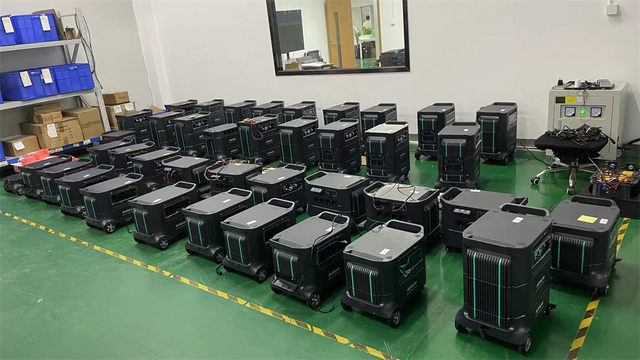
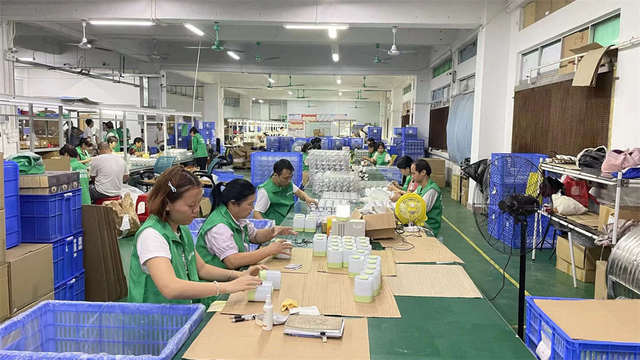
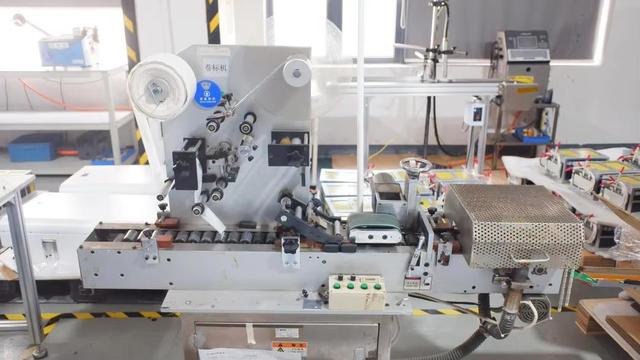
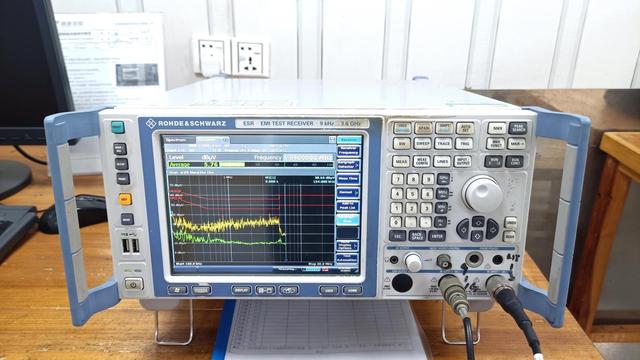
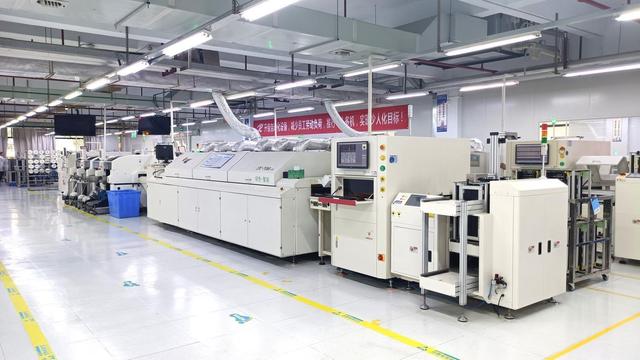
Take a virtual tour of our modern manufacturing plants and quality assurance laboratories
 3UP Energy