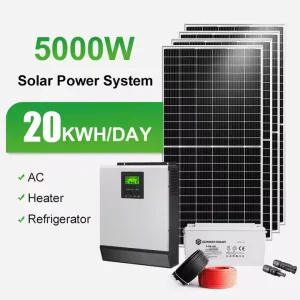
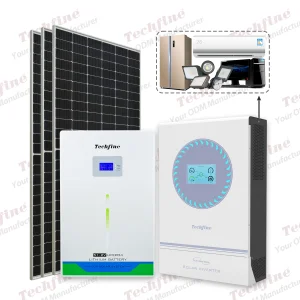
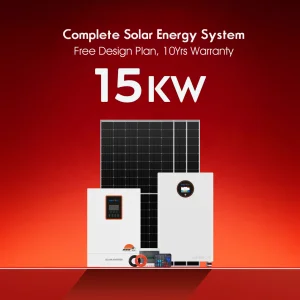
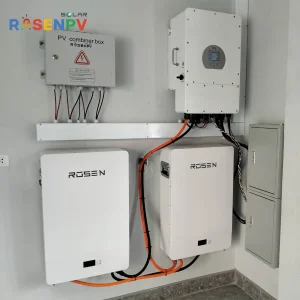
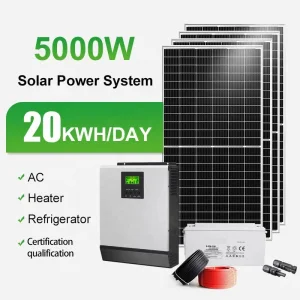
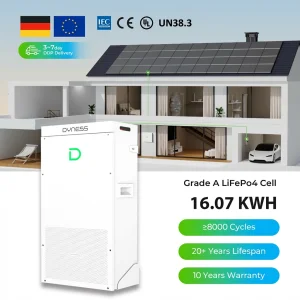
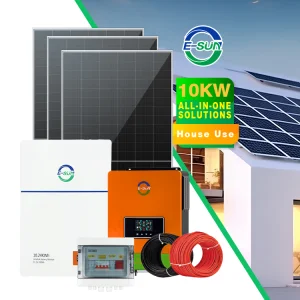
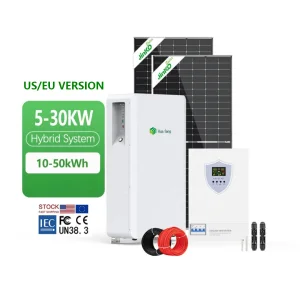
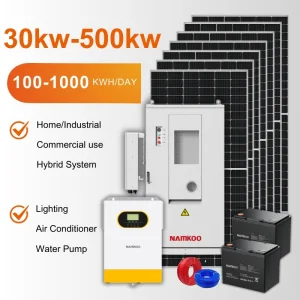
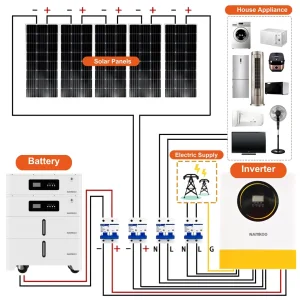
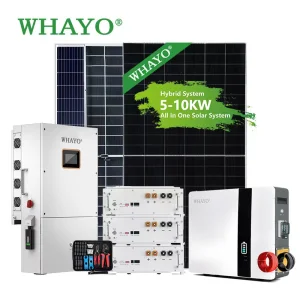
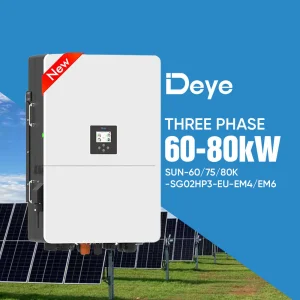
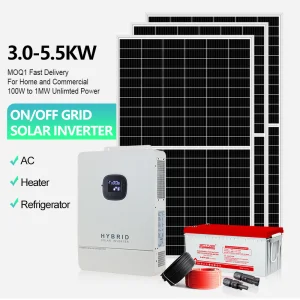
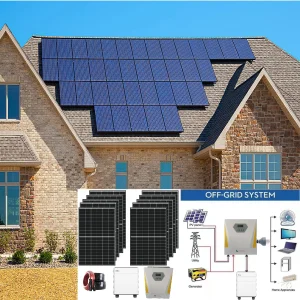
The global energy landscape is undergoing a seismic shift from centralized fossil fuel generation to decentralized, renewable-first architectures. At the heart of this transition is the Hybrid Solar Energy System—a technology that seamlessly integrates photovoltaic generation, battery storage, and existing grid or generator inputs. For the Nigeria market, this is not just an environmental choice but a critical economic necessity.
As a leading manufacturer and exporter, Shanghai 3UP Energy Co., Ltd. recognizes that Nigeria represents the largest potential market for distributed energy in Africa. From the manufacturing hubs of Ogun State to the commercial high-rises of Victoria Island, our systems are engineered to thrive in tropical climates, handling high ambient temperatures and dusty harmattan conditions with advanced thermal management and IP65 protection.
Nigeria’s commercial sector loses billions of Naira annually due to power outages. Small and Medium Enterprises (SMEs) are often forced to rely on expensive PMS (petrol) or AGO (diesel) generators. Our Hybrid Energy Solutions are designed to act as the primary energy manager, prioritizing solar energy, using battery storage for peak shaving, and only engaging the grid or generator when necessary.
Our systems utilize Third-Generation Power Conversion Technology. Unlike traditional off-grid inverters, our hybrid systems support Parallel Stacking and Unbalanced Phase Load, which is critical for Nigerian industrial sites where one phase might carry significantly more load than others.
Utilizing high-density Lithium Iron Phosphate (LFP) cells, providing 10-15 years of operational life, far exceeding traditional Lead-Acid batteries commonly found in the local market.
Advanced Maximum Power Point Tracking with 99.9% efficiency to maximize yield during Nigeria's peak sun hours (typically 10 AM to 4 PM).
Real-time remote monitoring via mobile app, allowing facility managers in Lagos to monitor site performance in Port Harcourt or Kano.
Exporting to Nigeria requires a deep understanding of the SONCAP (Standards Organisation of Nigeria Conformity Assessment Programme). Shanghai 3UP Energy ensures all exported hybrid systems meet the rigorous safety and performance standards required for clearing at Apapa or Onne ports.
We provide comprehensive technical documentation and training for local EPC contractors in Nigeria, ensuring that installation is done according to global best practices. Our "Export+Support" model means we don't just ship hardware; we provide the engineering blueprints necessary for long-term project success.
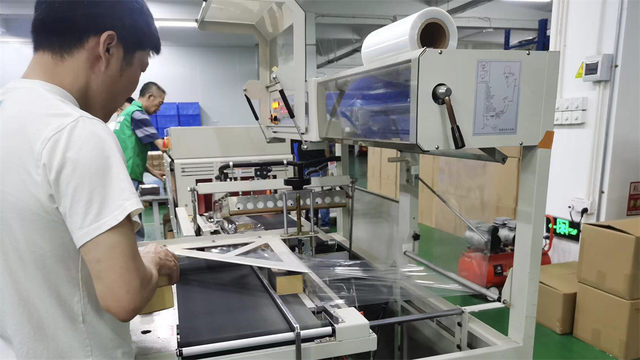
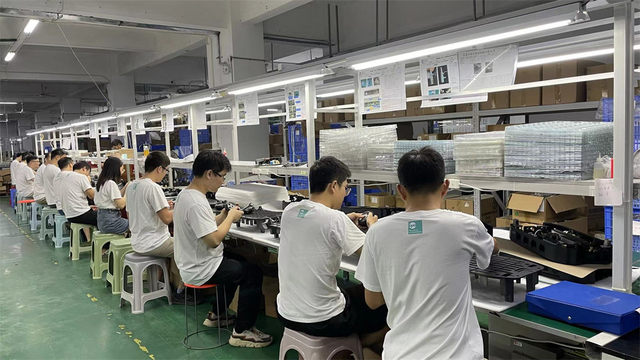
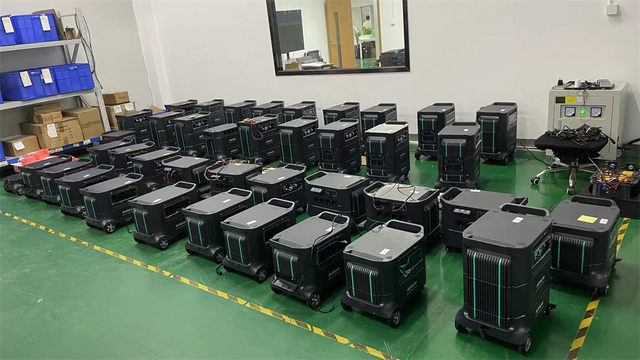
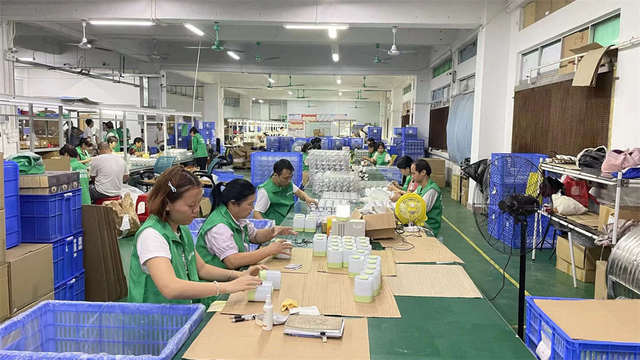
Our hybrid inverters feature a millisecond-level transfer time. When the grid fails (a common occurrence in Nigeria), the system switches to battery power so fast that computers and sensitive electronics do not reboot.
Yes. The system is designed to integrate with a generator as a third power source. It can even automatically start the generator when battery levels are low and solar is unavailable.
Our LiFePO4 batteries are rated for operation up to 55°C. With integrated Battery Management Systems (BMS), they maintain a lifespan of over 6,000 to 8,000 cycles, significantly outperforming lead-acid batteries in the Nigerian climate.
We provide full remote engineering support and can connect you with our certified local installation partners in Lagos, Abuja, and Port Harcourt for on-site setup and maintenance.
Shanghai 3UP Energy Co., Ltd. is a professional Solar Power Equipment Manufacturer specializing in renewable energy systems, energy storage integration, and smart power solutions for residential, commercial, industrial, and utility-scale applications. Based in Shanghai, China, the company focuses on delivering advanced solar energy technologies that help customers improve energy efficiency, reduce operating costs, and accelerate the transition toward sustainable power generation.
With extensive expertise in renewable energy engineering, 3UP Energy provides comprehensive solutions covering solar power systems, energy storage integration, smart energy management, distributed energy applications, microgrid projects, backup power solutions, and clean energy infrastructure. The company serves a wide range of industries including manufacturing, commercial facilities, public infrastructure, agriculture, logistics, telecommunications, and utility energy projects.
3UP Energy is committed to innovation, system reliability, and long-term performance. Its engineering and technical teams work closely with project developers, EPC contractors, distributors, and energy service providers to design customized solutions based on specific operational requirements, environmental conditions, and energy objectives. From project planning and system design to manufacturing, testing, and technical support, the company provides end-to-end services throughout the project lifecycle.
 3UP Energy