Introduction
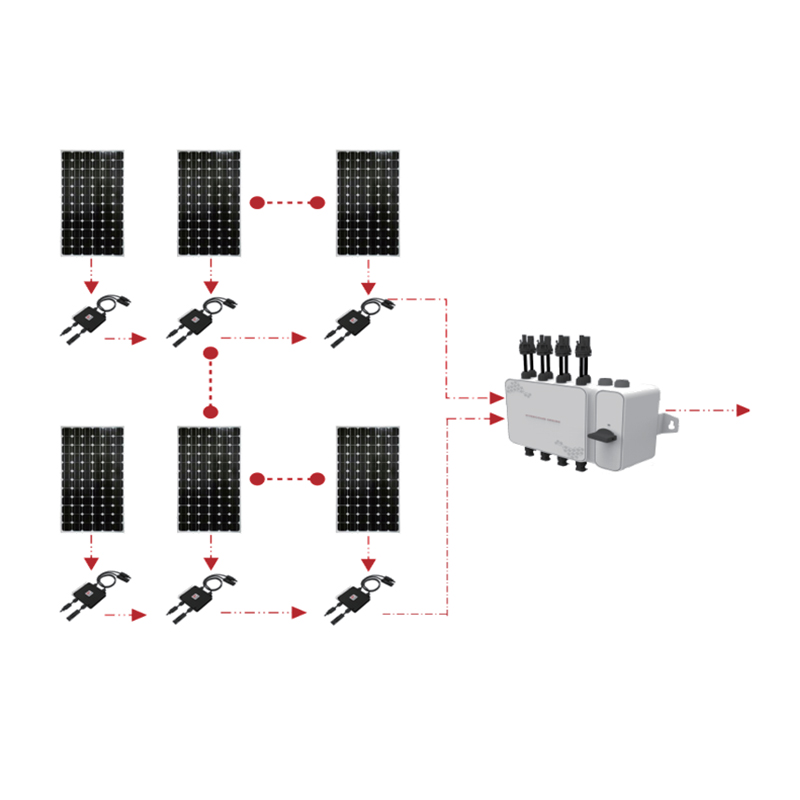
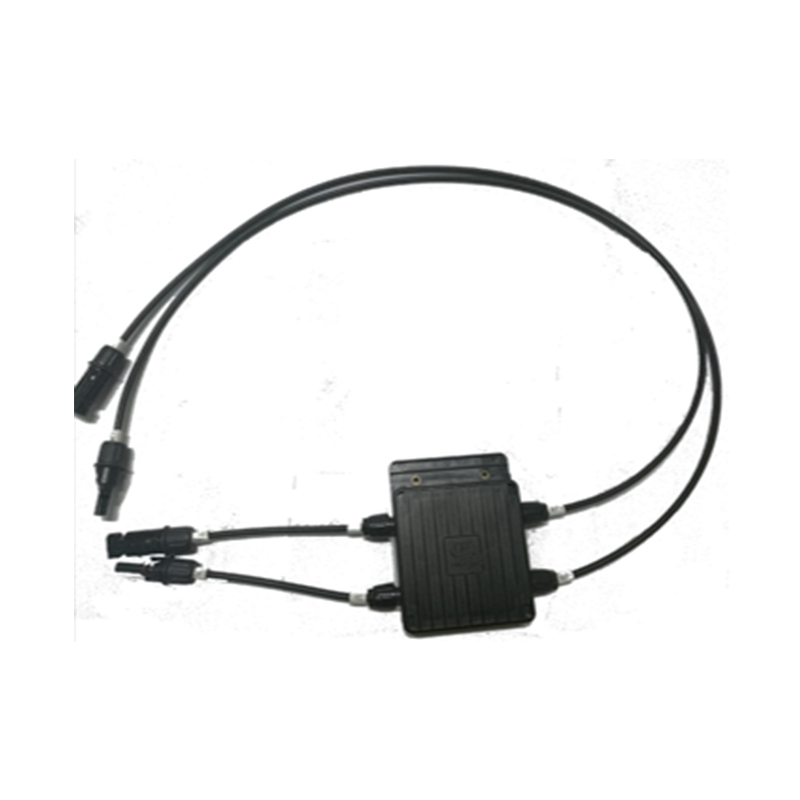
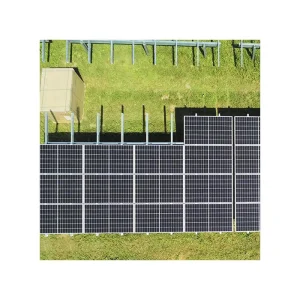
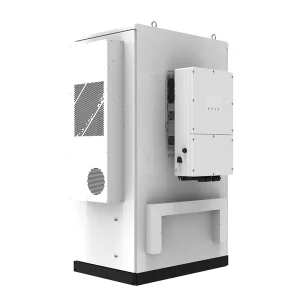
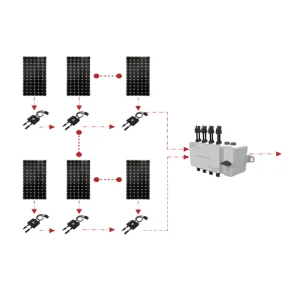
For operators in areas with a good enough grid, we have designed a solar retrofit system with solar optimizers. This system can be easily retrofitted onto existing infrastructure and will not occupy cabinet space. Each solar panel integrates with a solar optimizer, which makes it possible to monitor the working status of each solar panel, reduce the impact of shadow on solar panels and increase the output of solar system.
Application Scenarios
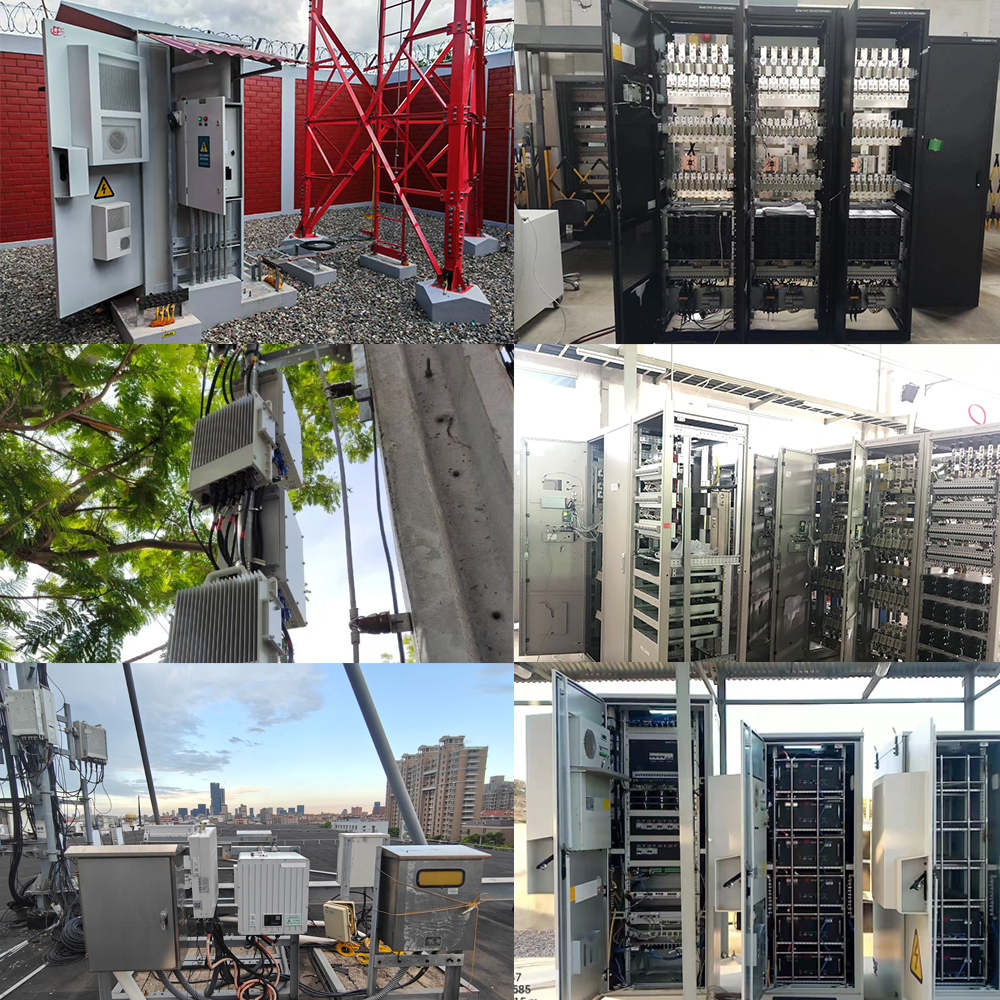
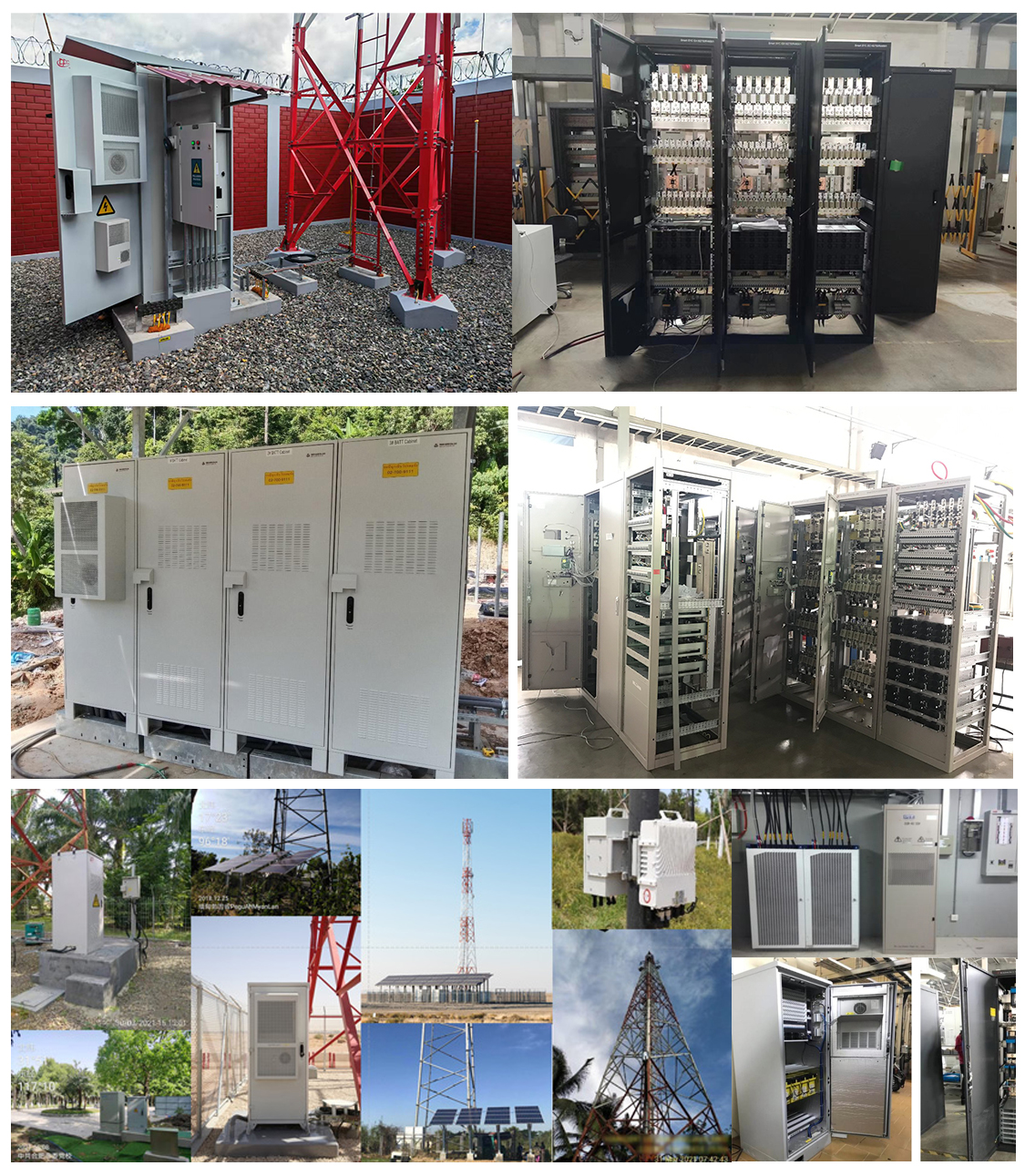
Our products are widely used in communications and telecommunications, general-purpose servers, edge computing servers, AI GPU mainframe servers, and data center equipment and industries, becoming a trusted power solution provider in the industry.
Product Series
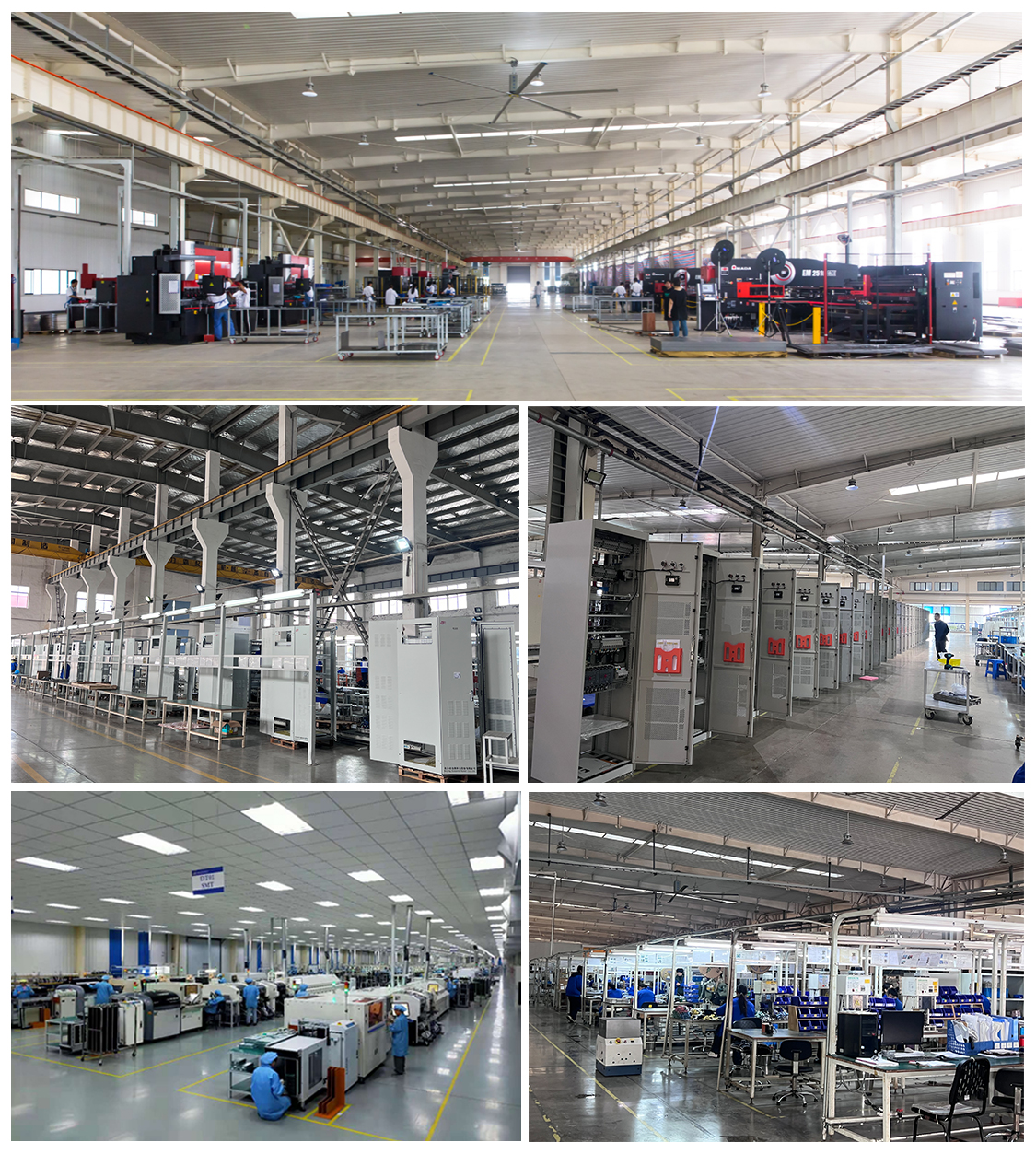
Leveraging years of application experience in the telecommunications power supply industry, we utilize the latest control technologies and materials to provide efficient and high-quality telecommunications power products to customers worldwide.
Our product series covers telecommunications modules, embedded power supplies, indoor cabinets, outdoor cabinets, outdoor blade power supplies, site monitoring units, and PDUs.
Features
High MPPT tracking efficiency - more than 99%
Reduce electric bills
Reduce the carbon footprint
Low initial investment
High flexibility and possible to extend the solar system by one panel
Easy to use and monitor
Applications
3G, 4G, 5G base stations
Satellite communication ground stations
Other telecom applications
Good grid areas
Grid Input
| Voltage | 85-300VDC (Normal: 220VDC) |
| Frequency | 45Hz-66Hz |
| Input Current | < 15Arms at 220VDC input / < 19Arms at 176VDC input |
| Power Factor | > 0.99 |
| THDi | < 5% |
Solar Input
| Voltage | 10-60VDC |
| MPPT Efficiency | > 99% |
| Input Current | 10A per string |
| IP Grade | IP67 |
DC Output
| Voltage | 42-58VDC (Normal: 53.5VDC) (HVDC CB must configed for each module) |
| Rectifier Power | 600A (Max. 12*Smart Power II 48/3000HE) |
| Max. Current | 62.5A at 48VDC |
| Static Voltage Regulation | < 0.5% |
| Dynamic Voltage Regulation | < 5% for 10%-90% load, regulation time < 50ms |
| Ripple | < 150mV peak to peak |
| Psophometric | < 2mV |
| Hold-up Time | > 10ms |
| Startup Time | 3-8s |
| Efficiency | 96.2% |
Energy Management
| Controller | SC501 |
| Energy Management | Configurable, depend on the OPEX saving targets |
| Battery Management | Lead-acid battery and Lithium battery, Mid-point monitoring |
| Hybrid Energy Support | PV, Grid, Genset, Battery |
| Physical | 4*RS485, 1*Ethernet, 2*CAN, 1*USB |
| Protocol | Http, Modbus, IPV4, SNMP V1/V2c |
Other Specifications
| Typical Load | < 5KW |
| Temperature | Operating: -40ºC ~ +75ºC / Storage: -40ºC ~ +85ºC |
| Humidity | Operating: ≤ 95% non-condensing / Storage: ≤ 99% non-condensing |
| Altitude | 4000m |
| Acoustic Noise | ≤ 55dB |
We have established deep business cooperation with partners from multiple countries and regions around the world, including the Commonwealth of Independent States, Europe, Southeast Asia, the Middle East, and Africa.
Frequently Asked Questions
Q1: How does the solar retrofit system with optimizers save space?
The system is designed to be easily retrofitted onto existing infrastructure and does not occupy any additional cabinet space, making it ideal for sites with limited room.
Q2: What is the tracking efficiency of the solar system?
The system utilizes high-efficiency MPPT tracking, achieving an efficiency rate of more than 99%, ensuring maximum power extraction from solar panels.
Q3: Can I monitor individual solar panels with this system?
Yes, each solar panel integrates with a solar optimizer, allowing for real-time monitoring of the working status of every individual panel in the array.
Q4: What types of batteries are supported by the energy management unit?
The SC501 controller supports both Lead-acid and Lithium batteries, featuring mid-point monitoring for enhanced battery health management.
Q5: Is the system suitable for extreme environmental conditions?
Absolutely. The system is designed to operate in temperatures ranging from -40ºC to +75ºC and supports altitudes up to 4000 meters.
Q6: What communication protocols does the site monitoring unit use?
The system supports multiple industry-standard protocols including Http, Modbus, IPV4, and SNMP (V1/V2c) for seamless integration into existing networks.
 3UP Energy