Direct supply of integrated solar technology engineered for performance, modular durability, and seamless site integration.
The global shift toward decentralized carbon neutrality is driving unprecedented demand for integrated solar energy projects. No longer is photovoltaic generation viewed as a simple hardware procurement checklist. Today’s sophisticated commercial, industrial, and utility-scale stakeholders require system integration, operational longevity, and proven return on investment (ROI).
Traditional clean energy rollouts face a myriad of systemic barriers: high initial capital expenditures, complex integration between power components, unstable local grids, and lack of system-level post-sale engineering coordination. These pain points demand single-source suppliers capable of designing, manufacturing, and verifying structural and electrical ecosystems.
According to current utility grid evolution profiles, microgrid deployments combining solar, energy storage, and smart EMS systems reduce Levelized Cost of Energy (LCOE) by up to 28% compared to non-integrated modular systems.
Integrated solar systems achieve optimal efficiency by matching system components precisely. Imbalances in impedance, mismatched operating voltages in off-grid configuration, or lagging communication cycles in remote software systems can compromise the integrity of high-investment assets.
Integrating heterogeneous components into highly resilient solar ecosystems. Discover the technology blocks that power 3UP Energy's state-of-the-art designs.
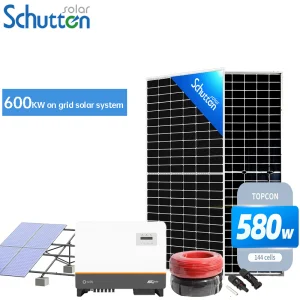
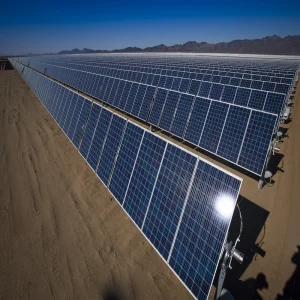
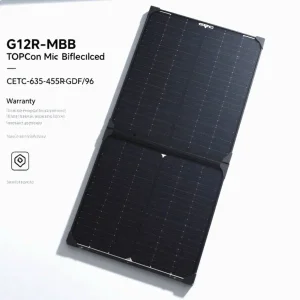
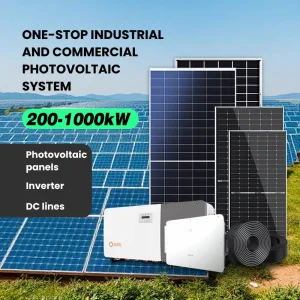
Deploying high-power density modules featuring G12r Multi-Busbar (MBB) configurations. Our panels offer elevated bifaciality factors, improved low-light coefficients, and negligible Light-Induced Degradation (LID) over a 25-year operational lifecycle.
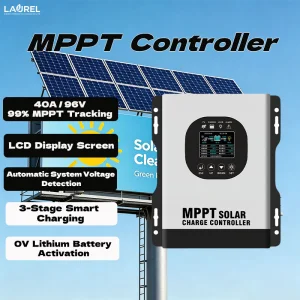
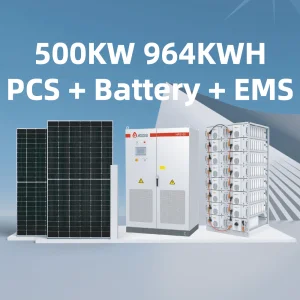
Using advanced multi-phase buck-boost conversion systems with autoselecting system voltages. Features low-loss, pure sine wave configurations and heavy-duty, large cross-section terminal blocks to handle severe thermal and current loads.
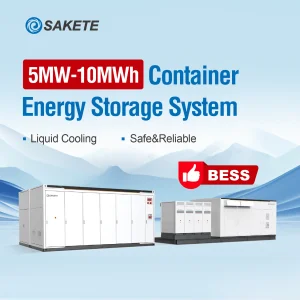
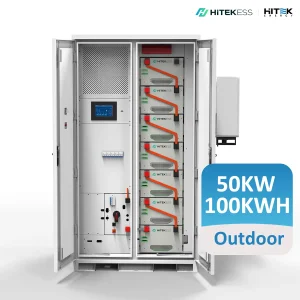
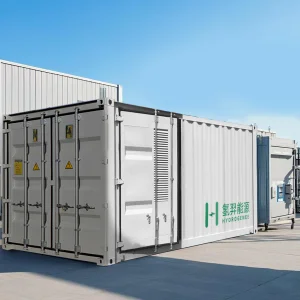
Highly modular 20ft and 40ft energy storage containers incorporating high-performance lithium-ion chemistry. Fully integrated with automated fire-suppression systems, liquid cooling loops, and integrated local/remote BMS platforms.
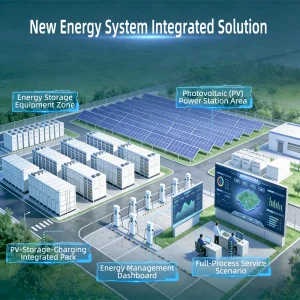
Cloud-capable remote telemetry setups enabling intelligent peak-shaving, load forecasting, and microgrid scheduling. Seamless system API support allows smooth integration with enterprise and utility control frameworks.
Advanced PEM (Proton Exchange Membrane) electrolysis equipment ranging from 300 to 600 Nm³/h. Converts surplus solar and wind power into high-purity green hydrogen container solutions, supporting hard-to-abate industrial sectors.
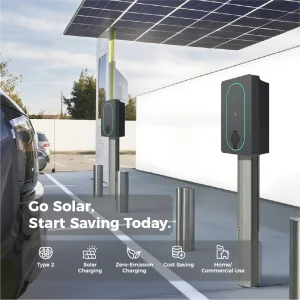
Type 2, Mode 3 dynamic charging systems. Intelligently modulates outputs based on real-time solar yield to prevent localized building grid strain while maximizing solar self-consumption in C&I parkings.
Shanghai 3UP Energy Co., Ltd. is a professional Solar Power Equipment Manufacturer specializing in renewable energy systems, energy storage integration, and smart power solutions for residential, commercial, industrial, and utility-scale applications. Based in Shanghai, China, the company focuses on delivering advanced solar energy technologies that help customers improve energy efficiency, reduce operating costs, and accelerate the transition toward sustainable power generation.
With extensive expertise in renewable energy engineering, 3UP Energy provides comprehensive solutions covering solar power systems, energy storage integration, smart energy management, distributed energy applications, microgrid projects, backup power solutions, and clean energy infrastructure. The company serves a wide range of industries including manufacturing, commercial facilities, public infrastructure, agriculture, logistics, telecommunications, and utility energy projects.
3UP Energy is committed to innovation, system reliability, and long-term performance. Its engineering and technical teams work closely with project developers, EPC contractors, distributors, and energy service providers to design customized solutions based on specific operational requirements, environmental conditions, and energy objectives. From project planning and system design to manufacturing, testing, and technical support, the company provides end-to-end services throughout the project lifecycle.
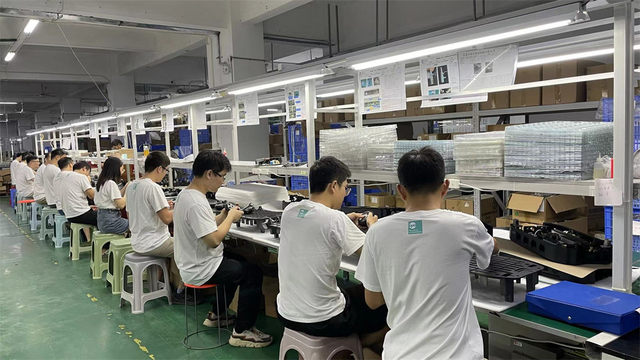
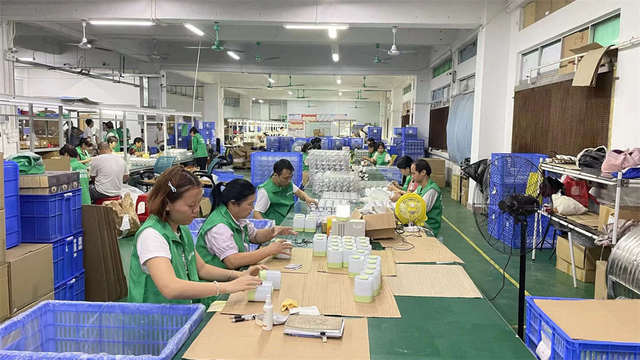
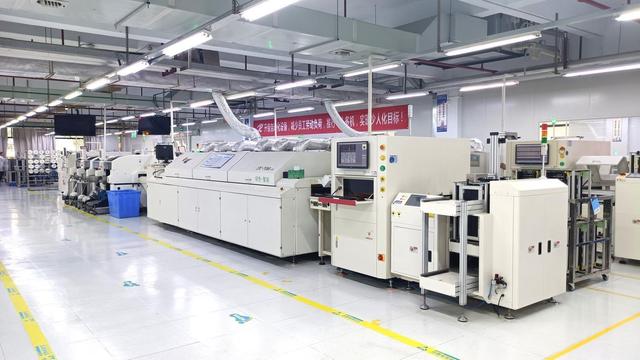
Equipped with modern production facilities and comprehensive quality management systems, the company maintains strict standards across product development and manufacturing processes. Continuous investment in research and development enables 3UP Energy to integrate intelligent control technologies, advanced monitoring platforms, and energy optimization solutions into its renewable energy systems.
Serving customers across Asia, Europe, North America, South America, the Middle East, Africa, and other international markets, Shanghai 3UP Energy Co., Ltd. is dedicated to delivering reliable solar power equipment and smart energy solutions that support clean energy adoption, enhance energy resilience, and contribute to a more sustainable and efficient global energy future.
Deploying projects at lower cost structures and shorter schedules requires vertical integration and advanced component manufacturing.
The core strength of the Chinese solar supply chain lies in vertical integration. Our manufacturing processes benefit from localized supply chains for raw silicon ingot pulling, wafer slicing, cell optimization, module lamination, and structural steel fabrication.
By keeping raw materials, sub-assembly logistics, and QA checks within a tightly integrated industrial cluster, 3UP Energy minimizes transit bottlenecks. This structure ensures our projects meet scheduled milestones without standard international supply-chain disruptions.
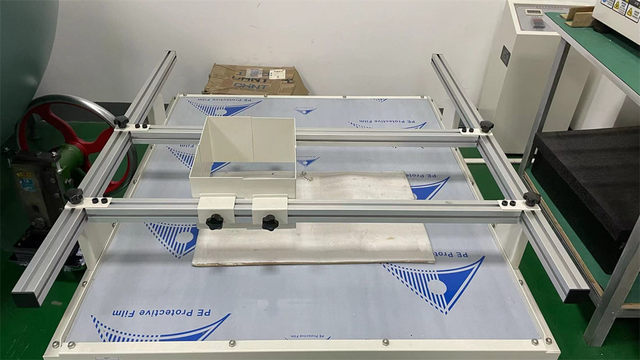
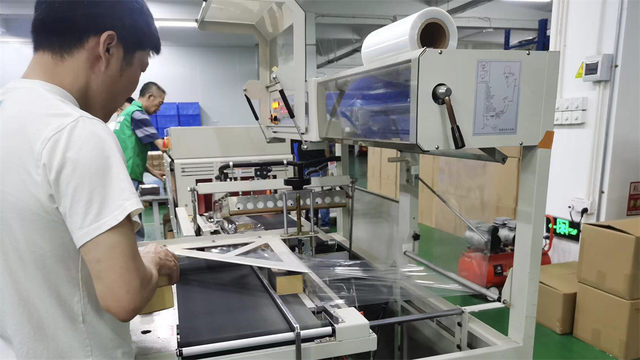
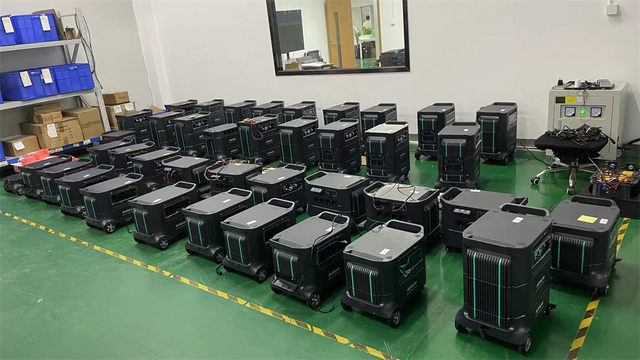
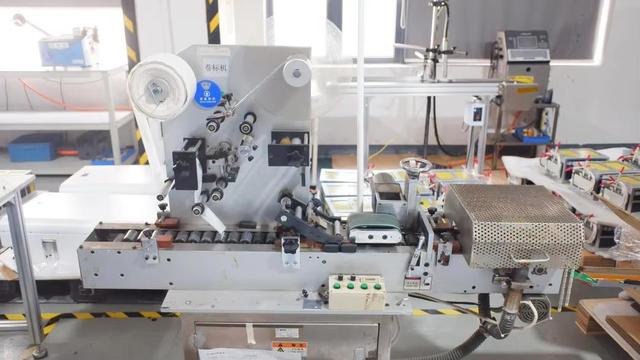
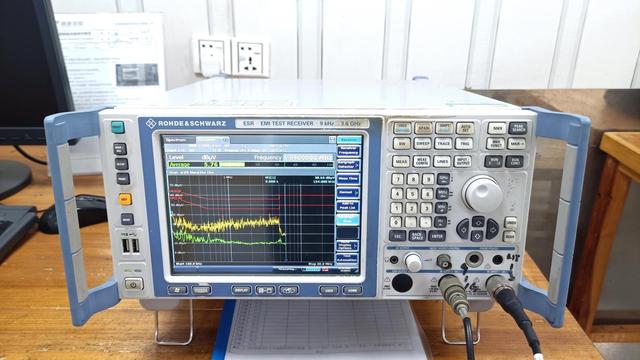
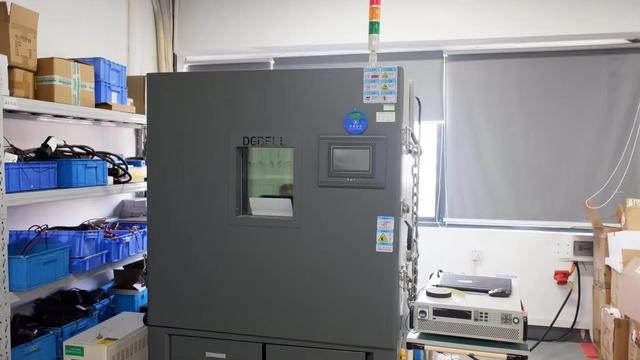
Our production facilities utilize modern automation, with AI-driven visual inspection systems identifying micro-cracks and soldering anomalies at rates unachievable by human inspection. Every integrated layout undergoes comprehensive EL (Electroluminescence) testing, thermography analysis, and simulated mechanical load stress testing before dispatch.
We work to align Chinese manufacturing speeds with strict global regulatory standards. Every project component meets ISO 9001, ISO 14001, CE, and TUV requirements to ensure smooth permitting and financing in destination markets.
Engineered configurations developed for target commercial, industrial, and utility project layouts.
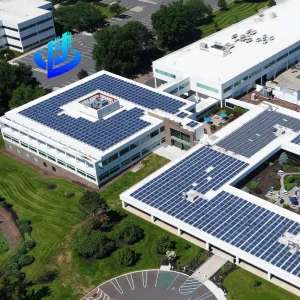
Building-Integrated Photovoltaics (BIPV) serve a dual purpose: they act as the building's outer envelope and generate clean energy. Standard 3MW to 5MW BIPV setups feature direct steel-structure roof integrations, eliminating heavy ballast requirements while offering superior wind-uplift resistances and thermal isolation.
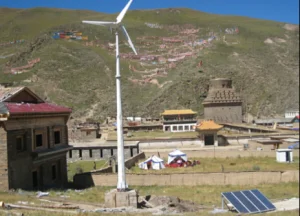
For remote mining operations, agricultural hubs, or isolated manufacturing units, grid connections are often unreliable or unavailable. Wind-Solar-Diesel hybrid microgrids integrated with high-capacity containerized BESS platforms ensure uninterrupted power delivery while reducing dependence on diesel fuel inputs.
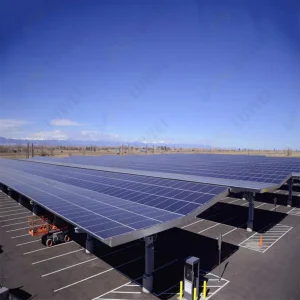
Transforming standard parking structures into decentralized power plants. 1MW commercial carport options shield fleets from elements while generating solar power routed directly to integrated 7KW to 150KW EV wallbox chargers, optimizing site energy usage.
An inside look at Shanghai 3UP Energy Co., Ltd.’s manufacturing processes, assembly floor, and rigorous quality check protocols.
Navigating global regulatory networks, grid interconnection criteria, and zoning constraints is key to project success. We build local compliance verification directly into the early design stages.
From IEEE 1547 and UL 1741 standards for grid-intertie in North America to EN 50549 requirements for European distribution networks, 3UP Energy delivers compliant equipment designed to prevent certification bottlenecks.
Every dynamic charging and BESS system contains built-in protocols to match international grid safety practices, including auto-frequency regulation, rapid shutdown (RSD) support, and secure modbus telemetry.
Our Building-Integrated Photovoltaics (BIPV) replace traditional roofing materials. We design these panels for class-A fire safety and structure them using double-tempered glass capable of withstanding intense mechanical stress. They meet standard ASTM and EN weatherproofing, wind resistance, and structural loading requirements.
Our containerized Lithium-Ion battery storage units feature a standard 20-year operational life expectancy. The battery cells carry performance degradation guarantees that secure at least 70% of initial capacity after 6,000 charge-discharge cycles, provided operation stays within recommended parameters.
Yes. Our inverters, microgrid modules, and storage frameworks support both on-grid, off-grid, and hybrid connections. The integrated remote software is compatible with standard utility protocols, including Modbus TCP, DNP3, and IEC 61850.
Our PEM container setups are designed to use variable energy profiles. When solar array generation exceeds grid capacity, the Excess Management System routes energy directly to water electrolysis, generating clean hydrogen for long-term storage.
All modules are produced in ISO-certified facilities and carry TUV, CE, UL, and CEC certifications. This ensures compliance with local building codes and helps facilitate financing with Tier 1 financial institutions.
We use custom export packaging with structural steel bracing for large container systems. Every shipment includes shock and moisture indicators, and is fully insured to protect your project schedule and budget against transport delays.
Explore our additional line of solar accessories, structural modules, high-efficiency panels, and specialized green hydrogen technologies.
 3UP Energy