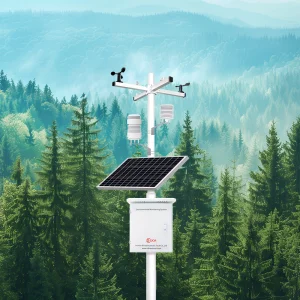
Explore our premium selection of industrial, utility, and commercial energy assets engineered for extreme reliability and peak performance.
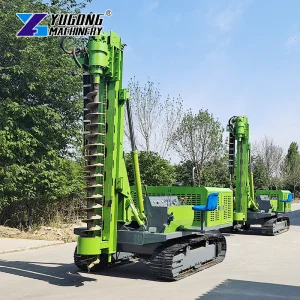
In an era marked by rapid climate transition and strict international carbon restrictions, industrial, commercial, and utility sectors are undergoing a historic transformation. The demand for reliable, resilient, and green power grids has catalyzed the adoption of sophisticated clean energy architectures. Shanghai 3UP Energy Co., Ltd., a premier manufacturer based in the tech-industrial hub of Shanghai, is at the forefront of this industrial revolution. Our operations focus on integrating renewable technologies, developing large-scale smart battery storage systems (BESS), and optimizing microgrid infrastructure to assist modern global enterprises in reducing operational emissions and securing energy independence.
Achieving real efficiency in eco-friendly energy structures involves much more than deploying standard solar panels. It requires a unified matrix of high-precision bidirectional metering, localized load control systems, thermal management protocols, and advanced structural foundation hardware. From heavy-duty crawler hydraulic piling machines for utility-scale solar projects to Eichrecht-certified bidirectional meters for rapid EV fleet charging, we provide the physical and digital components necessary to sustain high-efficiency power networks under volatile climate conditions.
We combine manufacturing expertise with robust R&D to engineer systems that meet strict international testing standards. Our product catalog supports developers, EPC contractors, and global distributors across Europe, the Americas, and APAC.
China’s leadership in the global transition to renewable energy is sustained by highly integrated supply chain ecosystems. Shanghai 3UP Energy Co., Ltd. leverages these deep industry clusters to provide state-of-the-art power solutions with remarkable cost-efficiency, technical precision, and rapid scalability.
Full alignment with CE, MID PTB Eichrecht, and UL. Our hardware complies with standard global grid requirements, guaranteeing safe, reliable grid integration.
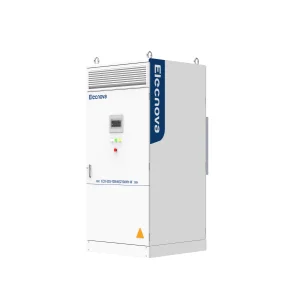
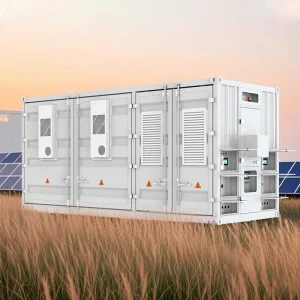
Proprietary liquid-cooled ESS systems, active cell balancing algorithms, and adaptive load profiling built to extend system lifetimes.
Shanghai’s deep port access and mature export infrastructure ensure safe packaging, rapid customs clearance, and predictable shipping cycles worldwide.
Industrial and commercial enterprises must meet stringent requirements when procuring renewable energy components. System components must work harmoniously to protect the larger capital investment. Below are the key engineering areas that our global partners prioritize:
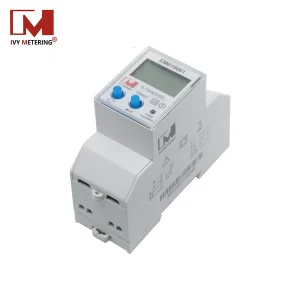
In Europe, especially in Germany, public and commercial EV fleet charging platforms must comply with strict calibration regulations (Eichrecht). This guarantees that users are billed precisely for the kilowatt-hours (kWh) delivered to their vehicles. Our MID PTB Eichrecht Standard 300A 1000V Bidirectional DC Energy Meter solves this challenge by offering high-precision measurement capabilities for EV fast charging hubs, ensuring accurate telemetry and complete regulatory compliance.
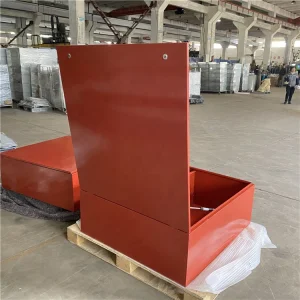
Renewable energy infrastructure must operate reliably in challenging outdoor environments, including desert solar farms, coastal areas, and sub-zero climates. System components must resist dust, moisture, and corrosion. Products like our Waterproof IP67 Solar CCTV Trailer Battery Metal Cabinet Box provide high ingress protection, shielding sensitive batteries and controllers from harsh weather conditions.
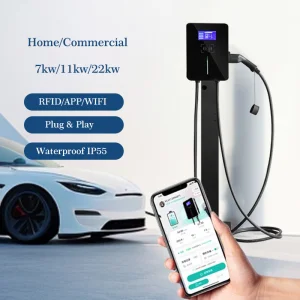
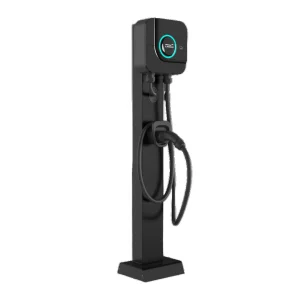
Integrating EV charging networks with on-site solar systems requires intelligent management to avoid overloading the local grid. Our 11KW Type2 DLB AC EV Charging Station uses dynamic load balancing (DLB) algorithms to monitor building loads in real-time, redirecting surplus solar energy directly to EVs to maximize self-consumption.
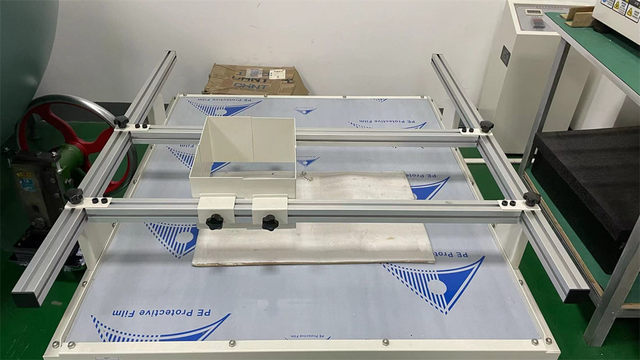
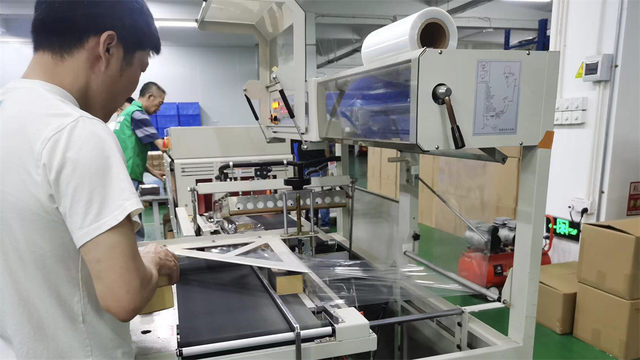
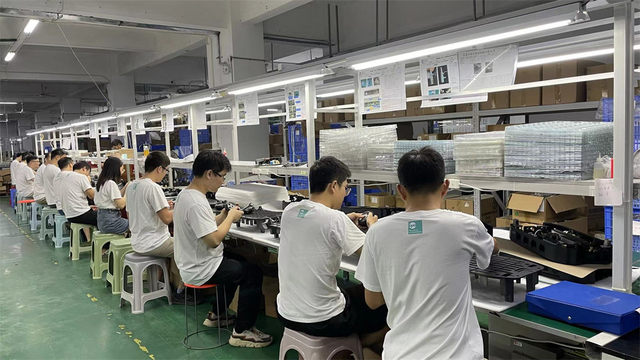
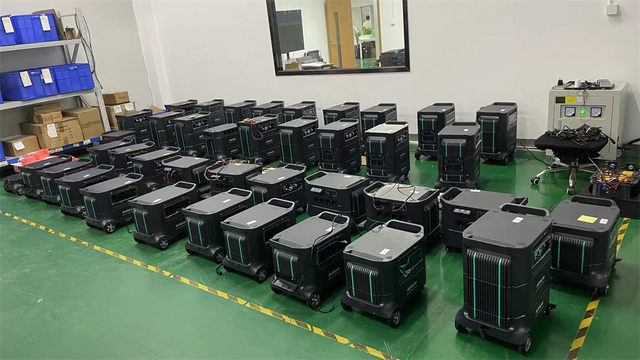
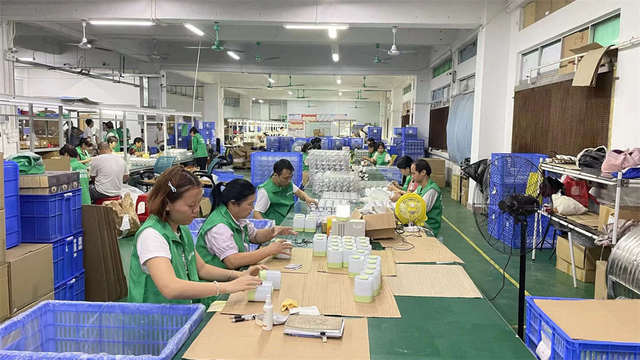
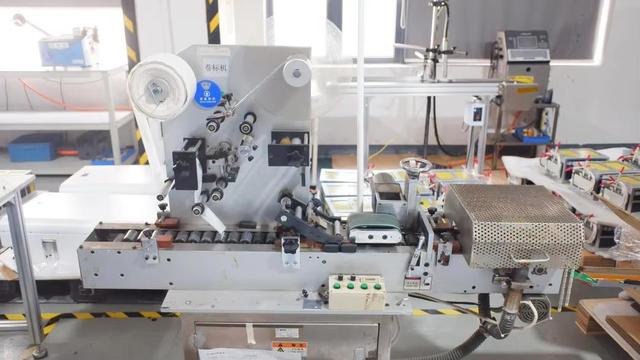
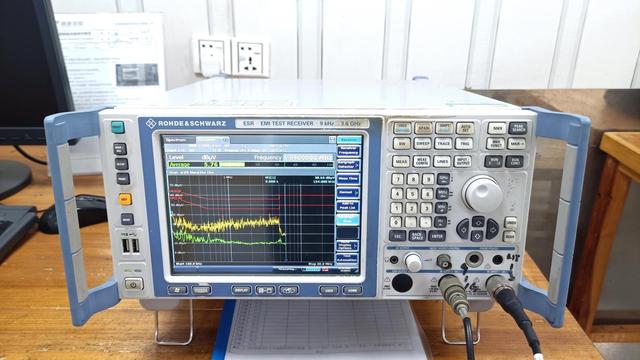
Eco-friendly power configurations are deployed across diverse applications, each requiring specific engineering adjustments to ensure project longevity:
Key market forces driving the transition toward decentralized, intelligent energy systems over the next decade.
Modern developers are replacing traditional air-cooling systems with liquid-cooling technologies. Liquid cooling maintains consistent cell temperatures, extending battery life and reducing thermal runaway risks in utility-scale installations.
By integrating multi-port hybrid inverters with storage components, plants can easily direct power between PV panels, batteries, localized EV chargers, and the main grid with minimal conversion losses.
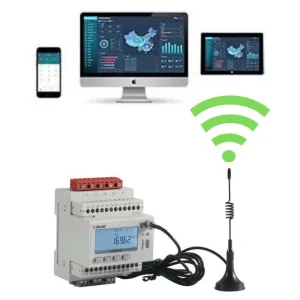
Smart meters utilizing LoRaWAN, 4G, and WiFi enable site managers to monitor power quality, detect faults early, and track carbon offsets in real-time from anywhere in the world.
Expert technical answers to common queries regarding regulatory compliance, manufacturing standards, and installation setups.
Access our full range of solar, energy storage, cabling, and monitoring solutions designed for global infrastructure projects.
 3UP Energy