Explore our tier-1 engineered solar equipment, off-grid microgrids, air-source thermal pumps, and high-capacity gas generator systems tailored for industrial deployment.
Understanding macro-energy transition dynamics, Levelized Cost of Energy (LCOE) optimization, Scope 1-3 emission compliance, and grid resilience in an era of volatile utility prices.
The global power sector is experiencing a monumental shift away from legacy fossil fuel centralized grids toward decentralized, digitized, and decarbonized distributed energy systems. Industrial consumers, utility developers, and remote municipalities face unprecedented challenges including escalating grid tariffs, transmission bottlenecks, and climate-induced blackout risks. Modern renewable power solutions combine photovoltaic arrays, high-velocity wind turbines, and LiFePO4 battery energy storage systems (BESS) into integrated microgrids to deliver uninterrupted 24/7/365 clean electricity.
By leveraging Chinese manufacturing scale and Industry 4.0 production efficiency, engineering procurement construction (EPC) partners can achieve grid parity faster while securing localized energy sovereignty.
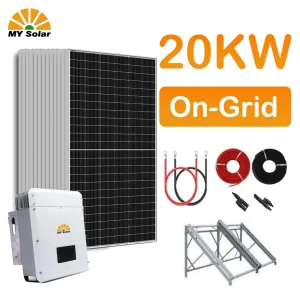
Advancements in semiconductor physics and electrochemistry are setting new performance benchmarks. N-Type TOPCon (Tunnel Oxide Passivated Contact) and Heterojunction (HJT) monocrystalline solar modules have breached 22.5% commercial efficiency thresholds, delivering superior low-light yield and reduced Temperature Coefficient values (-0.30%/°C). Concurrently, Lithium Iron Phosphate (LiFePO4) chemistries paired with smart Energy Management Systems (EMS) provide 6,000 to 10,000 cycle lives at 80% Depth of Discharge (DoD), ensuring total operational stability for over two decades.
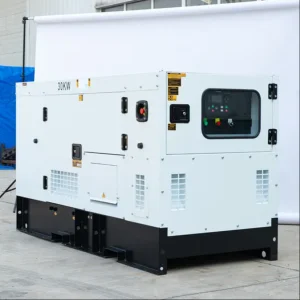
Information Gain Insight: Deploying hybrid clean power platforms (combining Solar PV, Wind Turbines, and Smart Gas Backup) reduces Levelized Cost of Energy (LCOE) by up to 42% compared to single-source renewable installations, while eliminating intermittency risks during extended low-irradiance or low-wind periods.
| Architecture Type | Typical LCOE Range ($/kWh) | System Reliability / Uptime | CapEx Intensity | Ideal Global Application |
|---|---|---|---|---|
| Pure Grid-Tied Solar PV | $0.035 – $0.055 | Medium (Dependent on Grid) | Low | Metropolitan Commercial Roofs |
| Solar + LiFePO4 BESS Storage | $0.065 – $0.095 | Very High (99.99%) | Moderate to High | Industrial Peak-Shaving & Backup |
| Solar-Wind-Gas Hybrid Microgrid | $0.058 – $0.082 | Ultra-High (100% Continuous) | Balanced / Optimized | Islands, Mining Sites, Off-Grid Towns |
Key criteria evaluated by international procurement directors, utility IPPs, commercial facility engineers, and renewable equipment importers when selecting Chinese manufacturing partners.
Global procurement teams mandate rigorous compliance with international standards including IEC 61215/61730 for PV modules, UL 1973/9540A for battery energy storage containers, and CE/IEEE 1547 for grid-tied smart inverters. Bankability reports ensure international financiers approve debt financing for zero-carbon infrastructure projects.
Every commercial facility, remote telecommunication tower, and agricultural greenhouse possesses unique load curves. Manufacturers must supply modularized power packs—ranging from 5kW residential systems to multi-megawatt commercial hybrid arrays—that support seamless parallel connection and plug-and-play field installation.
Buying decisions have evolved beyond initial CapEx to evaluate long-term OpEx. High-efficiency heat pump systems, automated thermal management in battery cabinets, and remote cloud-based SCADA monitoring lower annual operational maintenance expenses by up to 60% over 25-year system lifespans.
How advanced robotic automation, localized raw material integration, and rigorous quality control establish China as the undisputed nexus of worldwide green energy production.
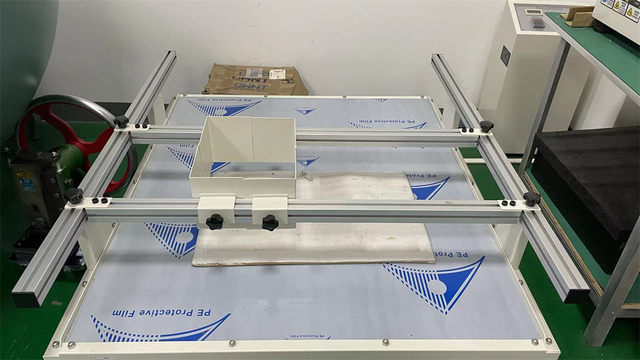
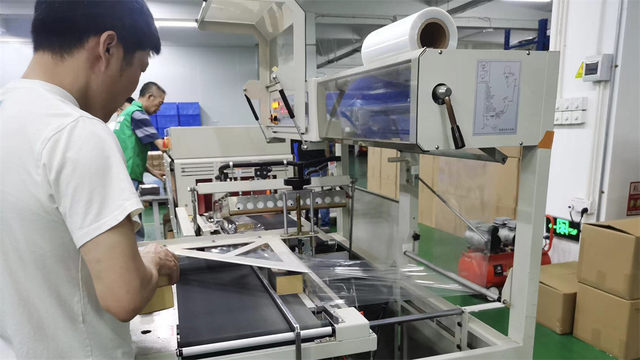
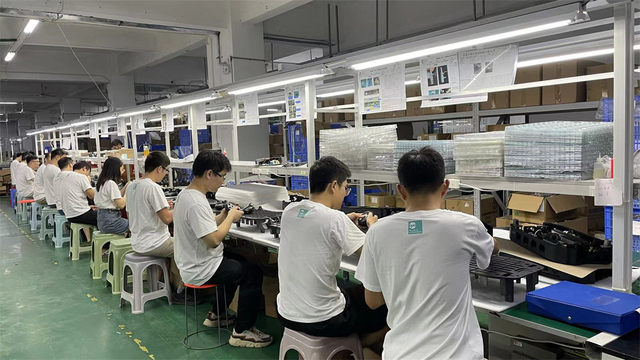
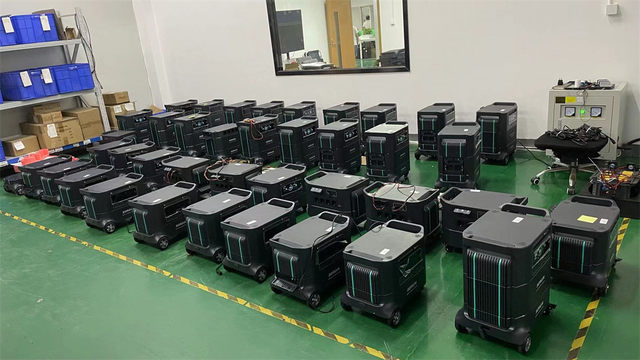
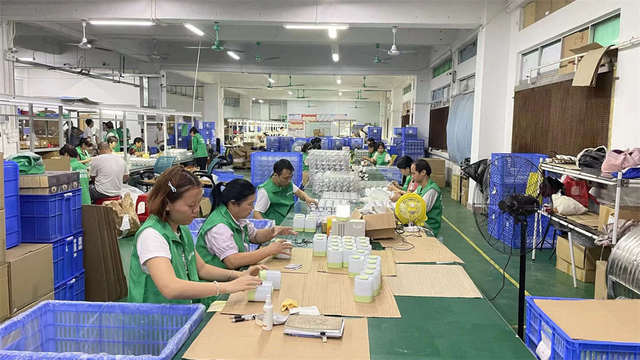
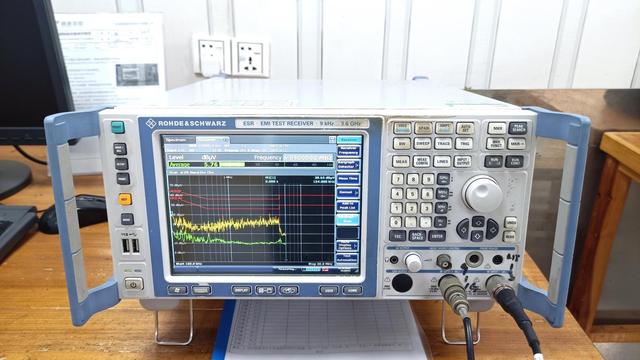
From raw quartz processing, polysilicon refining, wafer slicing, and cell encapsulation to lithium battery pack assembly and power electronics testing—China’s centralized industrial clusters minimize lead times and shield international clients from global supply chain dislocations.
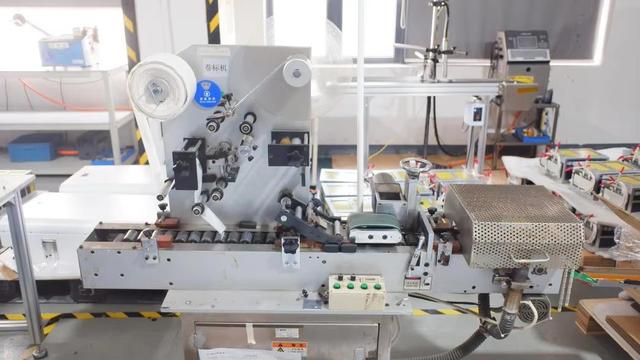
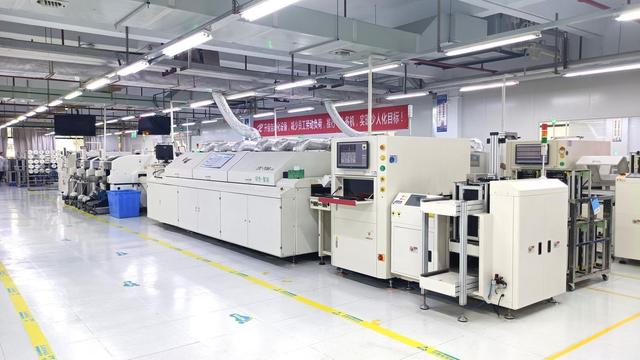
Industry 4.0 smart factories employ Automated Optical Inspection (AOI), AI-driven electroluminescence (EL) crack detection, and robotic laser soldering to eliminate human error, maintaining micro-level tolerances and extending product durability under severe climate stress.
Unrivaled manufacturing throughput enables massive economies of scale. Buyers gain access to high-tier technologies—such as IP67 waterproof outdoor battery cabinets and high-efficiency heat pumps—at fractional costs compared to Western assembly lines.
Empowering Global Decarbonization through Engineering Precision, Advanced Energy Storage Integration, and Custom Microgrid Systems.
Shanghai 3UP Energy Co., Ltd. is a professional Solar Power Equipment Manufacturer specializing in renewable energy systems, energy storage integration, and smart power solutions for residential, commercial, industrial, and utility-scale applications. Based in Shanghai, China, the company focuses on delivering advanced solar energy technologies that help customers improve energy efficiency, reduce operating costs, and accelerate the transition toward sustainable power generation.
With extensive expertise in renewable energy engineering, 3UP Energy provides comprehensive solutions covering solar power systems, energy storage integration, smart energy management, distributed energy applications, microgrid projects, backup power solutions, and clean energy infrastructure. The company serves a wide range of industries including manufacturing, commercial facilities, public infrastructure, agriculture, logistics, telecommunications, and utility energy projects.
3UP Energy is committed to innovation, system reliability, and long-term performance. Its engineering and technical teams work closely with project developers, EPC contractors, distributors, and energy service providers to design customized solutions based on specific operational requirements, environmental conditions, and energy objectives. From project planning and system design to manufacturing, testing, and technical support, the company provides end-to-end services throughout the project lifecycle.
Equipped with modern production facilities and comprehensive quality management systems, the company maintains strict standards across product development and manufacturing processes. Continuous investment in research and development enables 3UP Energy to integrate intelligent control technologies, advanced monitoring platforms, and energy optimization solutions into its renewable energy systems.
Serving customers across Asia, Europe, North America, South America, the Middle East, Africa, and other international markets, Shanghai 3UP Energy Co., Ltd. is dedicated to delivering reliable solar power equipment and smart energy solutions that support clean energy adoption, enhance energy resilience, and contribute to a more sustainable and efficient global energy future.
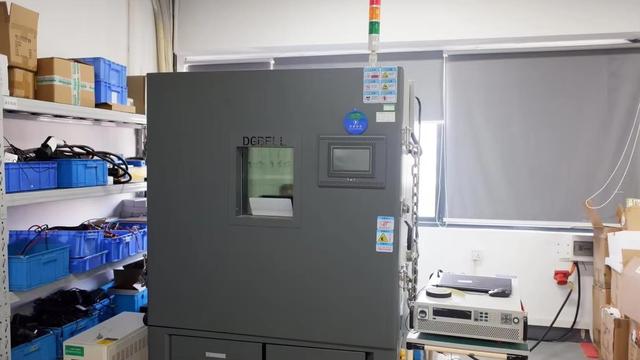
Tailored system engineering blueprints configured for regional environmental challenges, load dynamics, and infrastructure constraints.
Challenge: Isolated geographies encounter astronomical diesel generation costs ($0.40–$0.70/kWh) and frequent marine salt-spray corrosion.
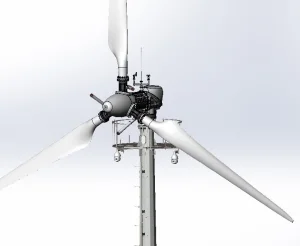
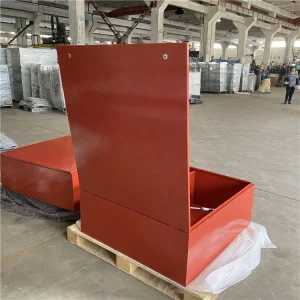
Engineered Solution: Ane Professional Wind Power Grid Systems coupled with high-efficiency PV arrays and IP67 lithium battery storage enclosures. Features C5-M anti-corrosion coatings and automated black-start capabilities during diesel engine outages.
Challenge: Manufacturing facilities face punitive demand charges and severe economic loss during utility blackouts.
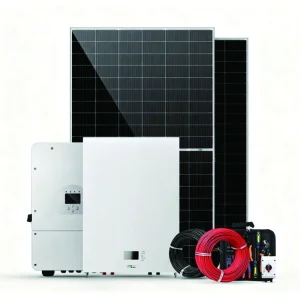
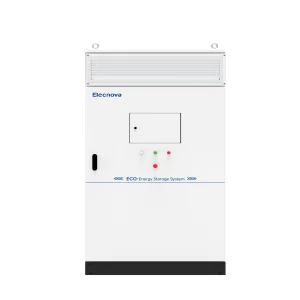
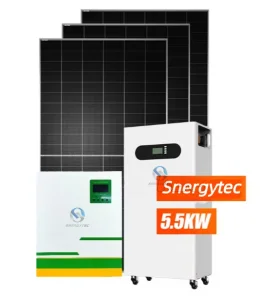
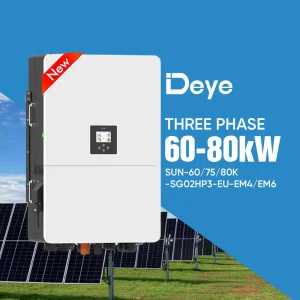
Engineered Solution: 30KW to 500KW Deye and Elecnova Hybrid Inverter platforms with integrated LiFePO4 storage packs. Smart EMS automatically shaves peak demand loads during high-tariff windows while delivering 0ms seamless UPS-grade failover during power outages.
Challenge: Earthquakes, typhoons, and remote construction zones demand instant, maintenance-free, mobile illumination and power.
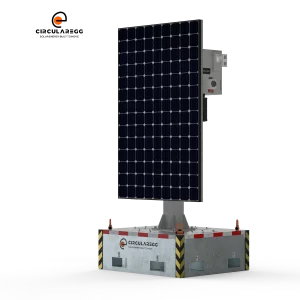
Engineered Solution: Deployable Solar Light Tower GD460L units equipped with 120W LED fixtures, heavy-duty LiFePO4 batteries, and telescopic masts guaranteeing 32 continuous operating hours per charge cycle.
Challenge: Modern green buildings require holistic thermal envelope management combined with self-sustaining zero-carbon water heating.
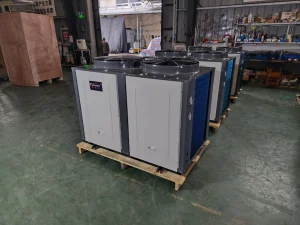
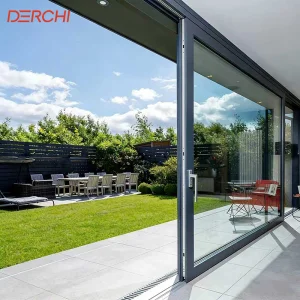
Engineered Solution: Pairing DERCHI Heavy-Duty Energy Efficient Sliding Doors (external double-glazed thermal break architecture) with YJR-C-10HP Air Source Heat Pump units for 75% reduction in HVAC building energy consumption.
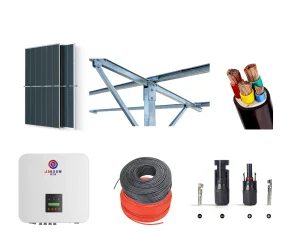
Discover advanced solar hybrid inverters, IP67 enclosure cabinets, N-type high-efficiency PV modules, and integrated residential energy kits.
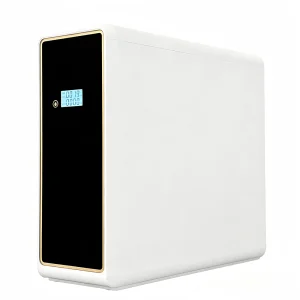
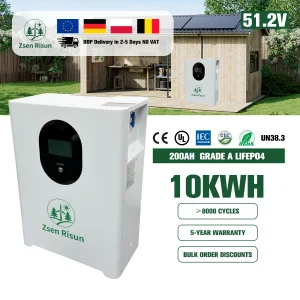
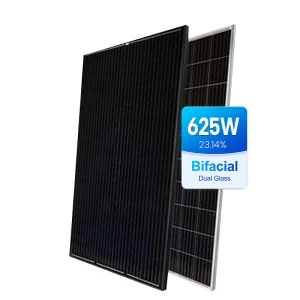
Technical and commercial answers curated by senior renewable energy procurement consultants to streamline project planning.
 3UP Energy