Advanced Commercial, Industrial, and Infrastructure solutions configured for Marmara grid compliance
A technical guide on deploying distributed generation inside the heart of Turkey's industrial engine.
Istanbul acts as the primary economic locomotive of the Republic of Turkey, bridging global trade routes between Europe and Asia. The metropolitan area, combined with adjacent industrial centers in Kocaeli and Tekirdağ, accounts for over 40% of the nation's total industrial output. Large Organized Industrial Zones (Organize Sanayi Bölgeleri - OSB) like the İkitelli OSB, Tuzla OSB, and Dudullu OSB support highly energy-intensive operations, ranging from metal casting and chemicals to automotive assembly and advanced plastics processing.
Historically, these industrial hubs relied solely on energy supplied from the national high-voltage transmission grid (managed by TEİAŞ) and local distribution networks (such as BEDAŞ on the European side and AYEDAŞ on the Asian side). However, rising electrical tariffs (governed by the Market Clearing Price - PTF), grid capacity constraints, and peak consumption surcharges have caused electricity costs to represent up to 35% of overall plant operational overheads.
To preserve global price competitiveness, Turkish exporters—particularly those shipping goods to the European Union under the incoming Carbon Border Adjustment Mechanism (CBAM) regulations—are rapidly integrating onsite distributed solar PV configurations. Transitioning from passive energy consumption to an active, localized prosumer framework allows enterprises to shield themselves against energy price fluctuations while meeting international zero-carbon directives.
The global transition toward localized, resilient microgrids has accelerated. High-density solar installations are no longer viewed merely as simple grid-feed components. Instead, the global industrial sector has moved to a combined "PV + BESS" (Photovoltaic + Battery Energy Storage System) framework. Integrated systems solve the inherent issue of solar intermittency. The peak generation hours of solar arrays occur during midday, whereas industrial consumption profiles typically require sustained load profiles throughout the night.
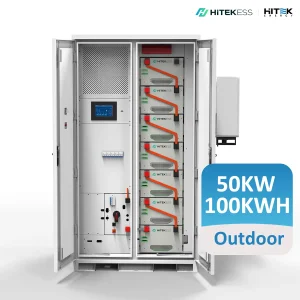
Internationally, Lithium Iron Phosphate (LiFePO4) has emerged as the definitive standard for industrial battery systems, replacing older Nickel Manganese Cobalt (NMC) chemistries due to its chemical safety. In urbanized centers like Istanbul, where manufacturing properties are in close proximity to residential quarters, the high thermal runaway temperature and resistance to mechanical failure of LiFePO4 cells are essential. 3UP Energy integrates these global technical standards directly into its systems, utilizing advanced liquid-cooling control, multilevel battery management systems (BMS), and aerosol fire prevention layers conforming to UL9540A and NFPA 855 safety certifications.
Deploying distributed energy resources within Istanbul requires navigating complex regulatory landscapes governed by the Energy Market Regulatory Authority (EMRA / EPDK) of Turkey. The legal platform for C&I applications is primarily supported under the "Unlicensed Electricity Generation Regulation" (Lisanssız Elektrik Üretim Yönetmeliği), particularly Article 5(1)(h). This article allows industrial entities to install solar capacities matching the connection capacity specified in their grid contract without requiring a commercial generation license, operating under monthly net-metering.
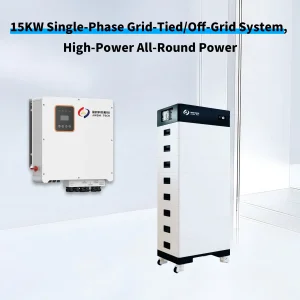
A key technical challenge in metropolitan areas is grid backfeed limitations. In highly congested industrial zones, DSOs may issue connection approvals on a "zero-injection" basis. To address this, Shanghai 3UP Energy Co., Ltd. incorporates smart meters and zero-export controllers into our inverters. The system monitors consumption at the main grid connection point in real time, rapidly modifying solar power generation to match immediate demand, ensuring zero grid injection and safeguarding the client against regulatory penalties.
Shanghai 3UP Energy Co., Ltd. customizes its systems to target the specific physical and geographical challenges of Istanbul's commercial properties:
The geography of Istanbul—bordered by the Black Sea and the Marmara Sea, connected by the Bosporus Strait—creates a microclimate with high relative humidity and significant saline air currents. Racking materials and electrical cabinets exposed to these environments are susceptible to rapid galvanic and oxidative corrosion.
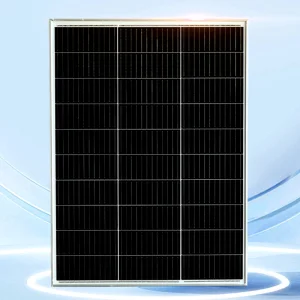
To ensure a 25-year structural lifetime, all 3UP Energy mounting kits utilize high-tensile AL6005-T5 anodized aluminum and hot-dip galvanized steel with zinc layers thicker than 85μm. They are built to withstand Marmara wind zones of up to 130 km/h, matching local structural requirements (TS 498 and TS EN 1991-1-4).
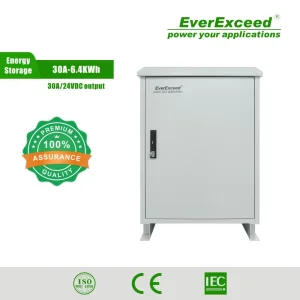
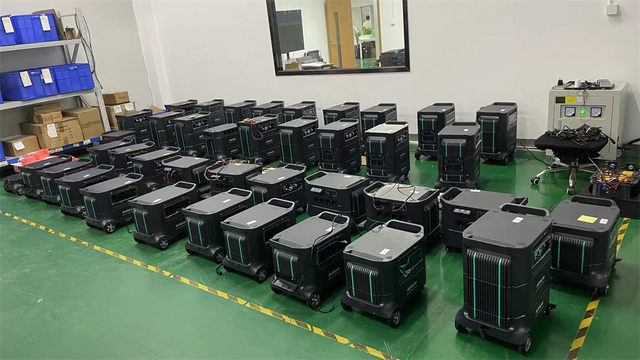
Our BESS cabinets are built with IP55 ingress ratings and multi-stage liquid cooling mechanisms. Rather than relying on simple air circulation which pulls salt-laden air into the battery chamber, our closed-loop thermal designs isolate the LiFePO4 cells. This prevents internal short-circuits and extends cell life in coastal industrial sectors.
Headquartered in Shanghai, the world's leading logistics and manufacturing hub, Shanghai 3UP Energy Co., Ltd. coordinates direct shipments from Shanghai Port to Istanbul's Ambarlı Port and Gebze Port. We manage all import documentation, CE certificates, and customs compliance requirements.
We collaborate closely with certified Turkish Engineering, Procurement, and Construction (EPC) companies. Under this cooperative model, 3UP Energy manages hardware optimization and system engineering, while local partners handle civil engineering, permit applications, grid connections, and on-site testing. This structure ensures that clients benefit from both Chinese manufacturing efficiency and qualified local maintenance support.
Reliable components and sub-systems built for durability, structural safety, and high efficiency
A global leader in smart solar power system manufacturing and design integration
Shanghai 3UP Energy Co., Ltd. is a professional Solar Power Equipment Manufacturer specializing in renewable energy systems, energy storage integration, and smart power solutions for residential, commercial, industrial, and utility-scale applications. Based in Shanghai, China, the company focuses on delivering advanced solar energy technologies that help customers improve energy efficiency, reduce operating costs, and accelerate the transition toward sustainable power generation.
With extensive expertise in renewable energy engineering, 3UP Energy provides comprehensive solutions covering solar power systems, energy storage integration, smart energy management, distributed energy applications, microgrid projects, backup power solutions, and clean energy infrastructure. The company serves a wide range of industries including manufacturing, commercial facilities, public infrastructure, agriculture, logistics, telecommunications, and utility energy projects.
3UP Energy is committed to innovation, system reliability, and long-term performance. Its engineering and technical teams work closely with project developers, EPC contractors, distributors, and energy service providers to design customized solutions based on specific operational requirements, environmental conditions, and energy objectives. From project planning and system design to manufacturing, testing, and technical support, the company provides end-to-end services throughout the project lifecycle.
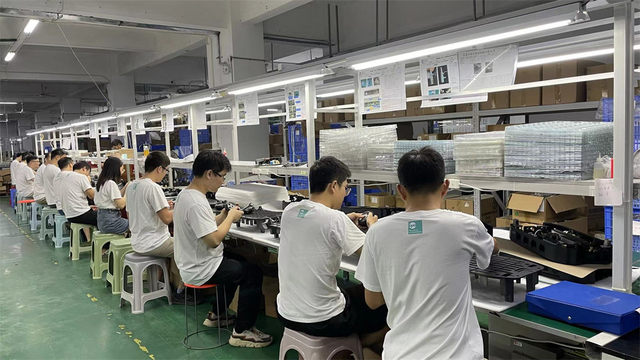
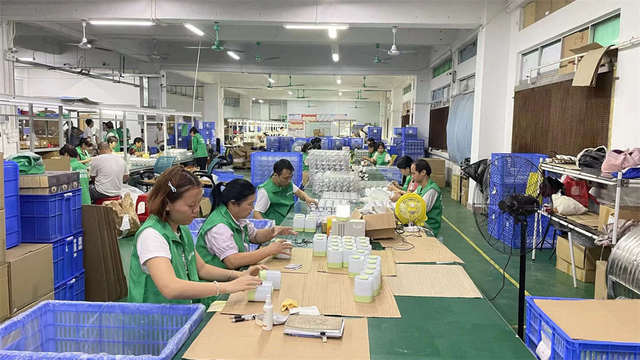
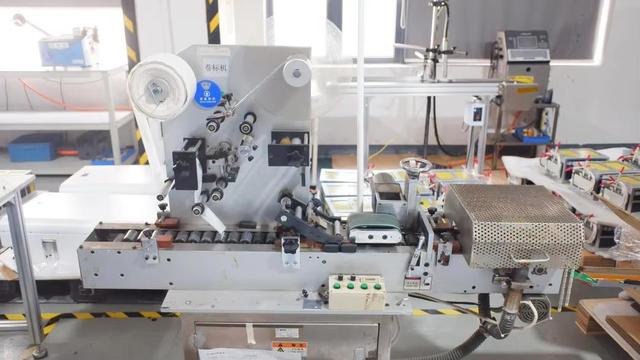
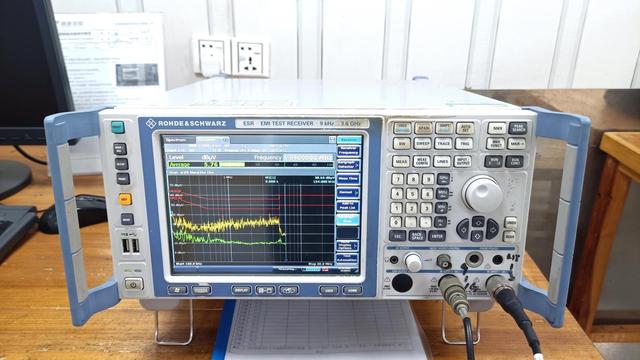
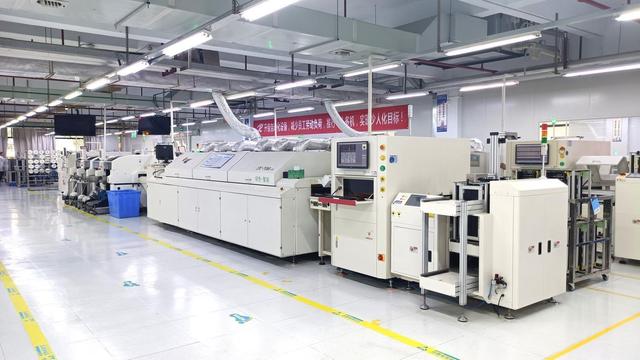
Equipped with modern production facilities and comprehensive quality management systems, the company maintains strict standards across product development and manufacturing processes. Continuous investment in research and development enables 3UP Energy to integrate intelligent control technologies, advanced monitoring platforms, and energy optimization solutions into its renewable energy systems.
Serving customers across Asia, Europe, North America, South America, the Middle East, Africa, and other international markets, Shanghai 3UP Energy Co., Ltd. is dedicated to delivering reliable solar power equipment and smart energy solutions that support clean energy adoption, enhance energy resilience, and contribute to a more sustainable and efficient global energy future.
Essential guidance on importing, permitting, and operating distributed solar infrastructure in Istanbul.
Contact our Shanghai engineering office today to plan your distributed solar generation and battery storage system for the Istanbul market.
Send Inquiry Now 3UP Energy