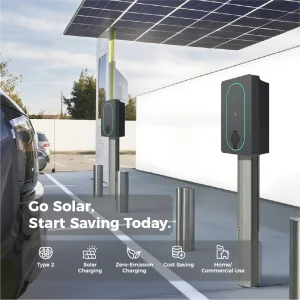
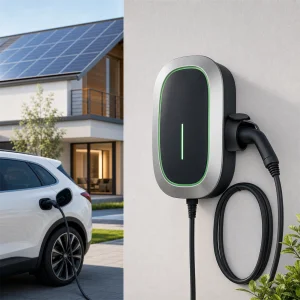
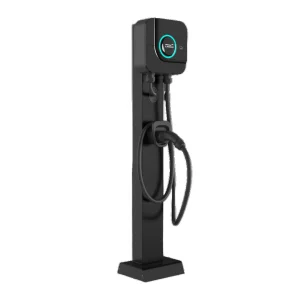
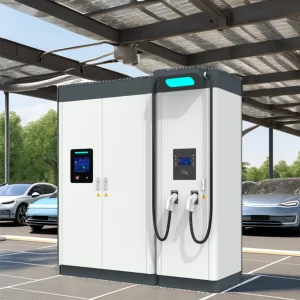
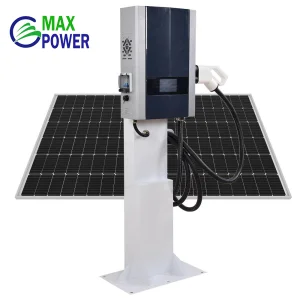
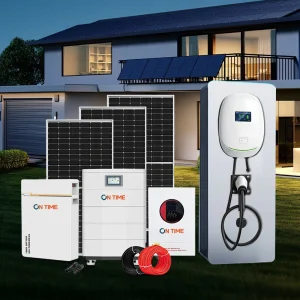
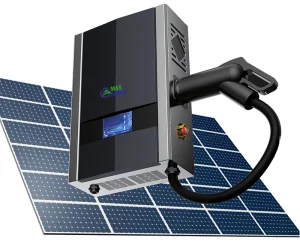
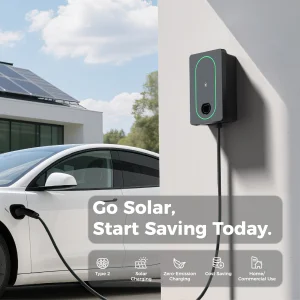
As the epicenter of Malaysia's economic growth, Kuala Lumpur (KL) is undergoing a radical transformation in its urban energy architecture. The "Kuala Lumpur Low Carbon Mobility Blueprint 2021-2030" has set a clear trajectory: the city aims to reduce carbon emissions significantly through the electrification of transport. However, the true "Green Gain" is only realized when the electricity powering these vehicles comes from renewable sources. This is where EV Charging Solar Integration becomes the pivotal technology for the next decade.
Globally, the decoupling of transportation from fossil fuels is no longer a trend—it is a mandatory industrial shift. In markets like the EU and North America, "PV-to-EV" (Photovoltaic to Electric Vehicle) systems are becoming the standard for LEED-certified commercial buildings. In Kuala Lumpur, the integration of solar power with EV infrastructure addresses the core challenge of grid stability. As thousands of EVs plug in simultaneously, integrated energy storage and solar buffering prevent peak load surges, making the city’s grid more resilient.
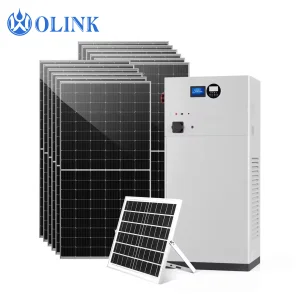
The manufacturing of Solar EV integrated systems requires a synergy of power electronics, software development (OCPP/AI protocols), and lithium-ion battery management. Chinese factories, particularly those leading the Export in the Kuala Lumpur market, offer an unparalleled Information Gain through their mature supply chains.
Factories in China’s tech hubs (like Shanghai and Shenzhen) have optimized the "All-in-One" integrated model. Instead of sourcing solar panels from one vendor and chargers from another, our integrated factory approach ensures that the Dynamic Load Balancing (DLB) software is natively tuned to the inverter’s output. This reduces energy conversion loss by up to 12% compared to piecemeal systems.
For procurement officers in KL, sourcing from an expert exporter means access to CE, TUV, and UL-certified equipment that is specifically designed for tropical climates. Our systems feature IP65/IP55 ratings and advanced thermal management to withstand Kuala Lumpur’s high humidity and ambient temperatures.
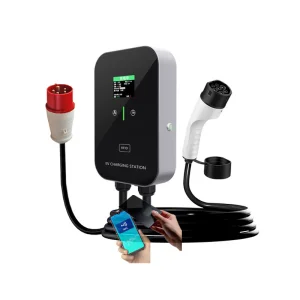
The industry is moving beyond simple "Plug and Charge." The future lies in V2G (Vehicle-to-Grid) and AI-Optimized Self-Consumption. By using machine learning, our systems predict solar yield based on KL weather forecasts and adjust the charging speed of connected vehicles in real-time. This is the "Information Gain" that traditional SEO content lacks—the technical realization that the EV is not just a load, but a mobile energy storage unit.
As a leading exporter, we don't just ship hardware. We provide the expertise needed to navigate local regulations (like Suruhanjaya Tenaga requirements in Malaysia). Our reliability is backed by thousands of successful deployments in commercial zones, ensuring that your investment in green infrastructure is future-proofed against evolving grid standards.
A1: NEM 3.0 allows excess solar energy to be exported back to the grid for credit. Our integrated systems can be programmed to "Solar Priority Mode," ensuring your EV is charged only with excess energy, maximizing your ROI and minimizing grid bills.
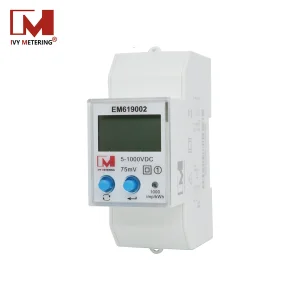
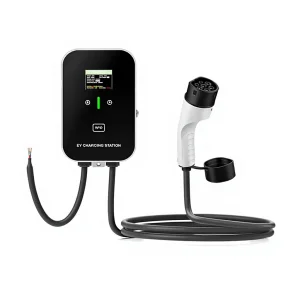
A2: Yes. By using our Bidirectional DC Energy Meters and external DLB controllers, we can retrofit existing installations to become "Solar-Aware," effectively managing the load between the PV array, the building, and the EV stations.
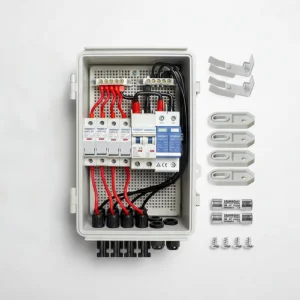
A3: Our equipment features specialized anti-corrosion coatings and sealed cooling pathways. We recommend bi-annual inspections of the PV combiner boxes and firmware updates for the smart chargers to ensure optimal safety and performance.
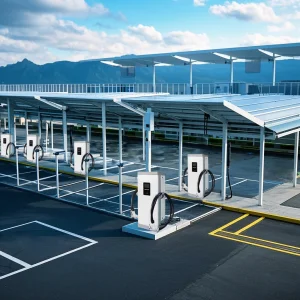
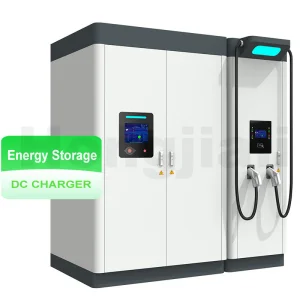
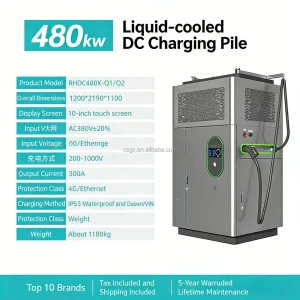
A4: DC fast chargers allow for direct DC-to-DC energy transfer from the battery storage or solar array, reducing conversion losses (AC/DC) and providing a much faster turnaround for commercial fleets in busy metropolitan areas.
Shanghai 3UP Energy Co., Ltd. is a professional Solar Power Equipment Manufacturer specializing in renewable energy systems, energy storage integration, and smart power solutions for residential, commercial, industrial, and utility-scale applications. Based in Shanghai, China, the company focuses on delivering advanced solar energy technologies that help customers improve energy efficiency, reduce operating costs, and accelerate the transition toward sustainable power generation.
With extensive expertise in renewable energy engineering, 3UP Energy provides comprehensive solutions covering solar power systems, energy storage integration, smart energy management, distributed energy applications, microgrid projects, backup power solutions, and clean energy infrastructure. The company serves a wide range of industries including manufacturing, commercial facilities, public infrastructure, agriculture, logistics, telecommunications, and utility energy projects.
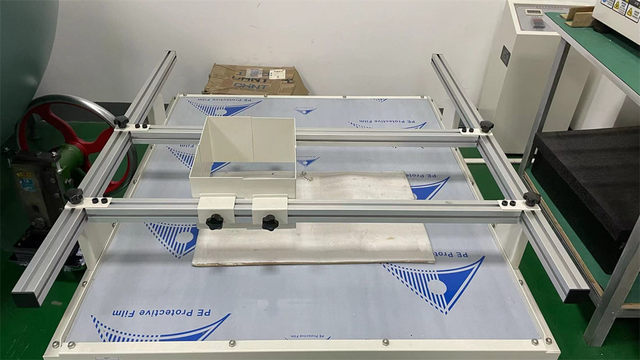
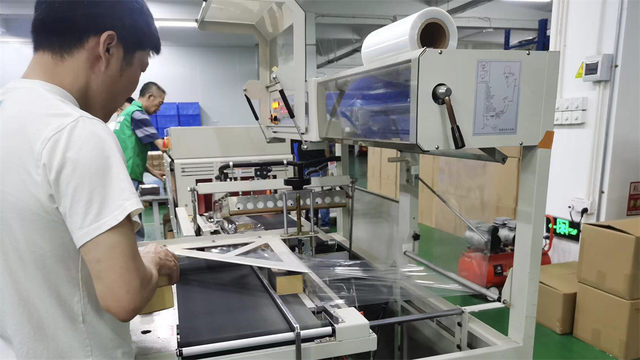
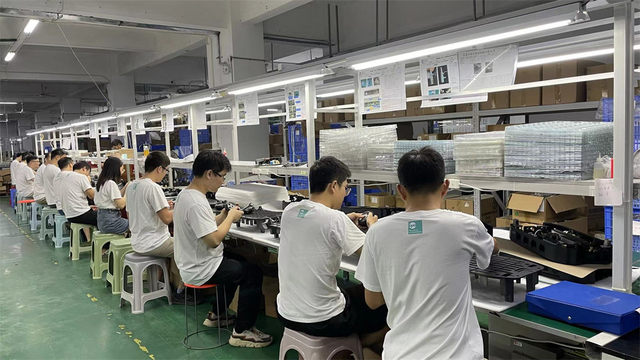
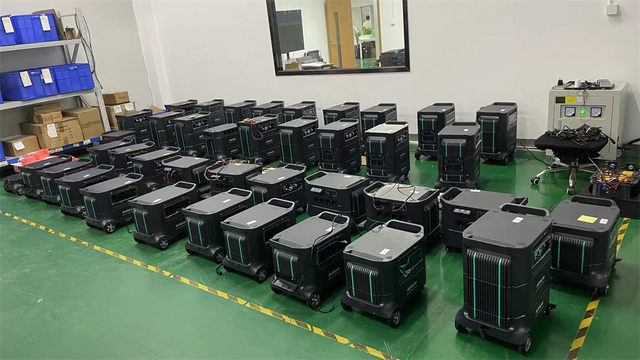
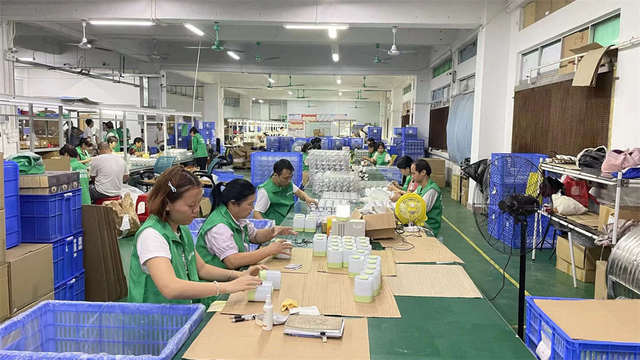
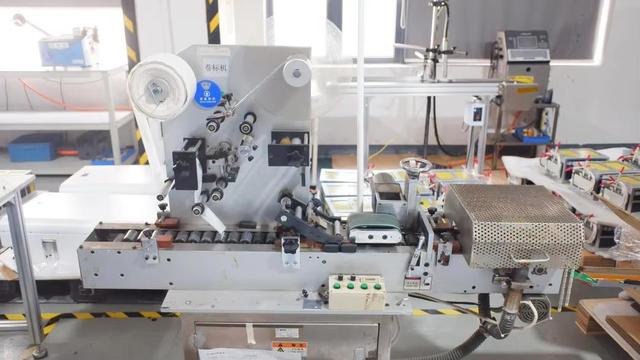
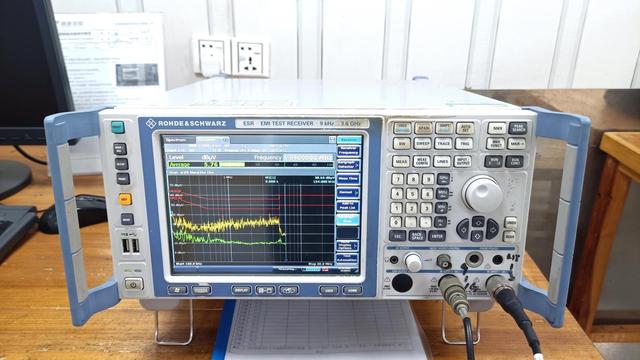
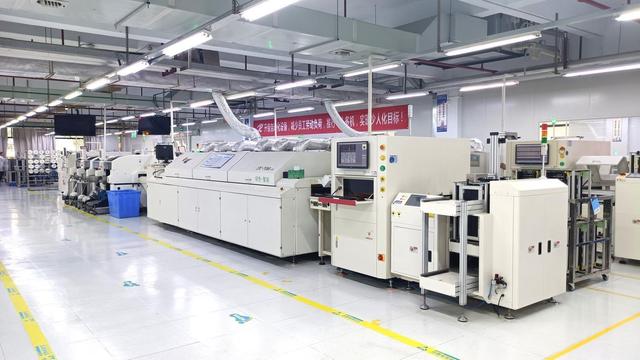
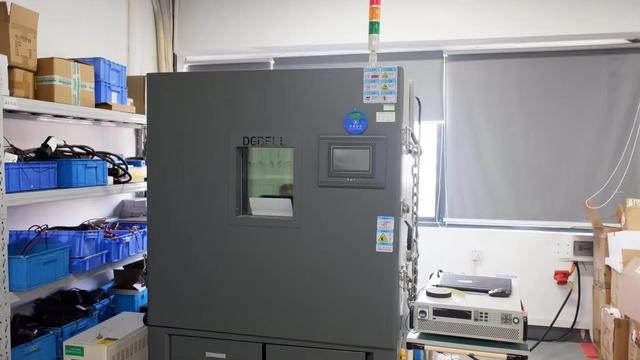
Equipped with modern production facilities and comprehensive quality management systems, the company maintains strict standards across product development and manufacturing processes. Continuous investment in research and development enables 3UP Energy to integrate intelligent control technologies, advanced monitoring platforms, and energy optimization solutions into its renewable energy systems.
Serving customers across Asia, Europe, North America, South America, the Middle East, Africa, and other international markets, Shanghai 3UP Energy Co., Ltd. is dedicated to delivering reliable solar power equipment and smart energy solutions that support clean energy adoption, enhance energy resilience, and contribute to a more sustainable and efficient global energy future.
 3UP Energy