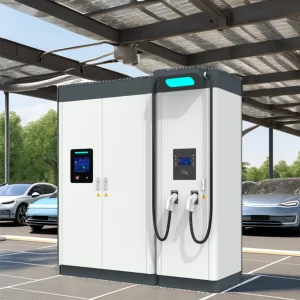
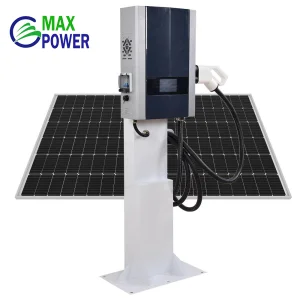
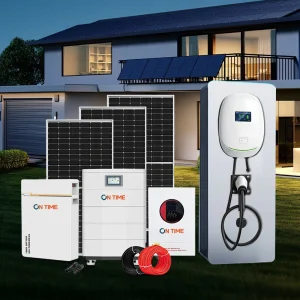
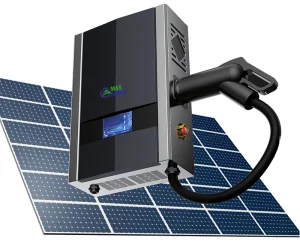
As the "Crossroads of America," the Chicago metropolitan area is undergoing a seismic shift in energy consumption. Driven by the Illinois Climate and Equitable Jobs Act (CEJA), the transition from traditional fossil fuels to integrated PV-EV (Photovoltaic-Electric Vehicle) infrastructure is no longer a luxury—it is a competitive necessity for commercial and industrial (C&I) entities. At Shanghai 3UP Energy Co., Ltd., we recognize that Chicago's unique climate and industrial density require robust, high-efficiency solar integration solutions that can withstand Lake Michigan’s microclimates while delivering peak performance.
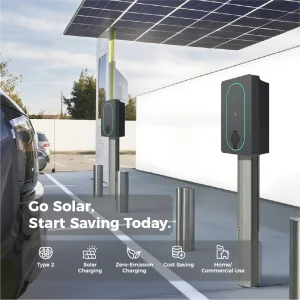
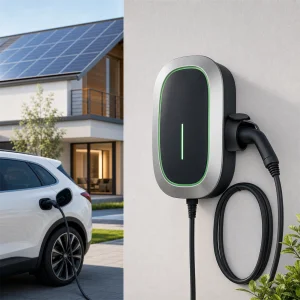
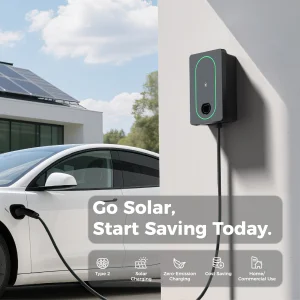
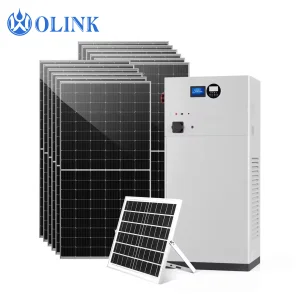
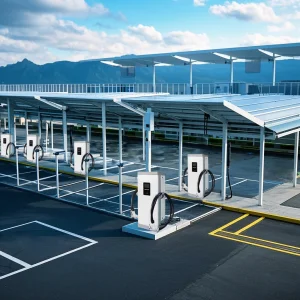
In the Chicago market, from the O'Hare industrial corridor to the logistics hubs in Joliet, demand for "Behind-the-Meter" solar integration is skyrocketing. Businesses are utilizing solar-integrated EV charging to mitigate high peak-demand charges common in ComEd territories. Our systems provide the critical link between onsite power generation and fleet electrification.
Our roadmap emphasizes V2H/V2G (Vehicle-to-Grid) readiness and AI-driven load balancing. By 2026, our Chicago-deployed units will feature predictive analytics that optimize charging schedules based on Real-Time Pricing (RTP) from the PJM Interconnection, ensuring the lowest possible Levelized Cost of Energy (LCOE).
Conversion Efficiency
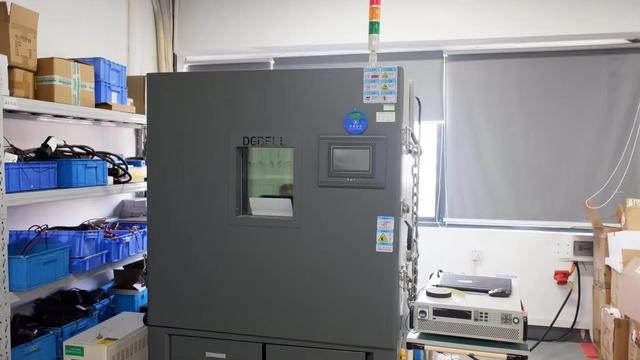
Extreme Cold Testing
Global Annual Capacity
International Patents
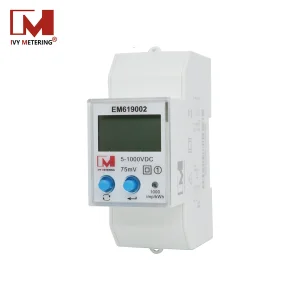
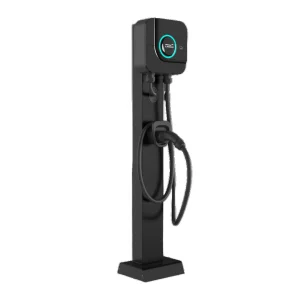
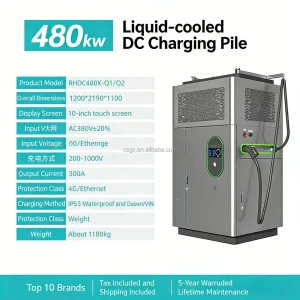
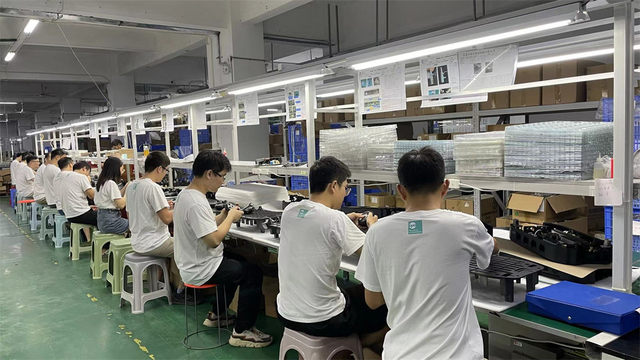
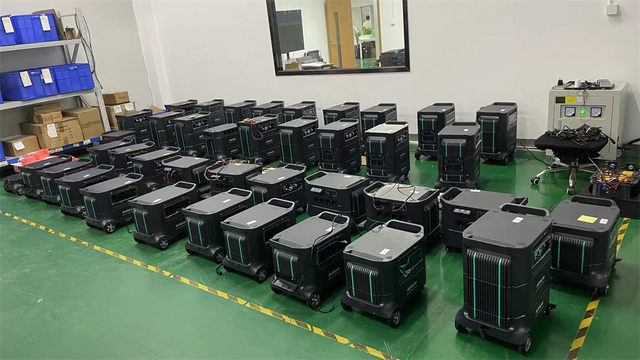
We provide a comprehensive ecosystem that bridges the gap between hardware and intelligence. For Chicago-based REITs and logistics providers, our Factory 4.0 manufacturing approach ensures that every component—from the 4-string PV combiner box to the 480kW heavy-duty DC fast chargers—is built with Supply Chain Resilience.
Navigating the regulatory environment in Cook County and the surrounding collar counties requires expertise. Our products are engineered to exceed NEC (National Electrical Code) standards and are available with NEMA 4X enclosures to protect against Chicago’s winter salt spray and humidity. We offer localized technical support to ensure your EPC (Engineering, Procurement, and Construction) partners have the documentation needed for expedited permitting.
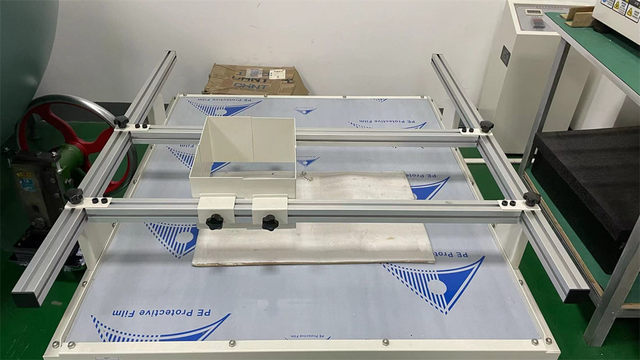
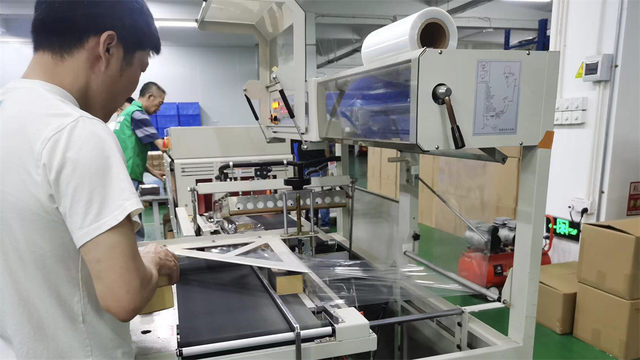
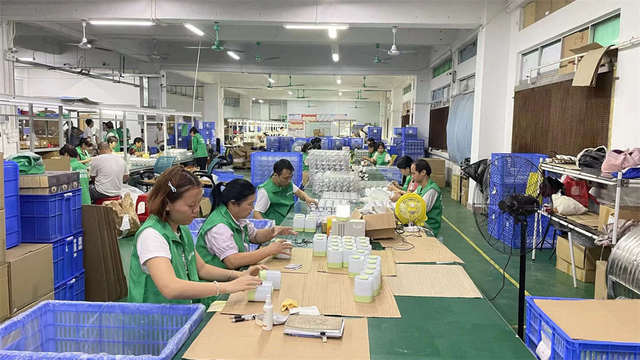
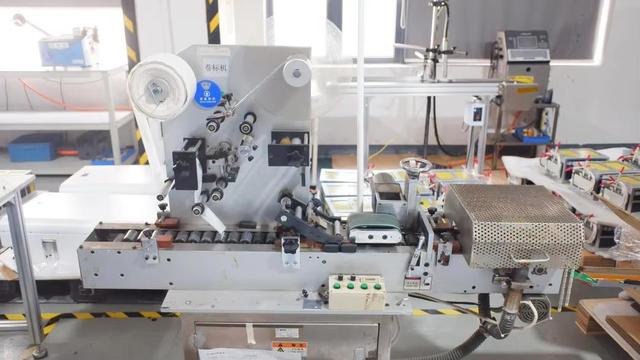
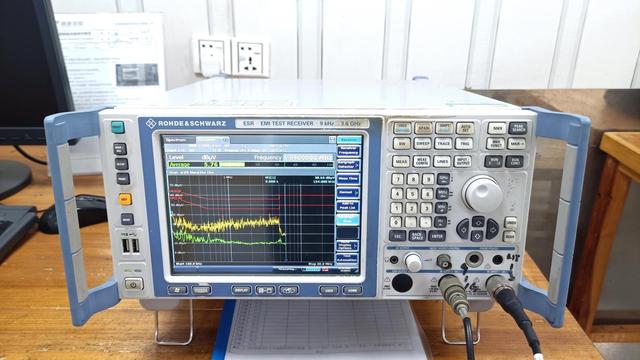
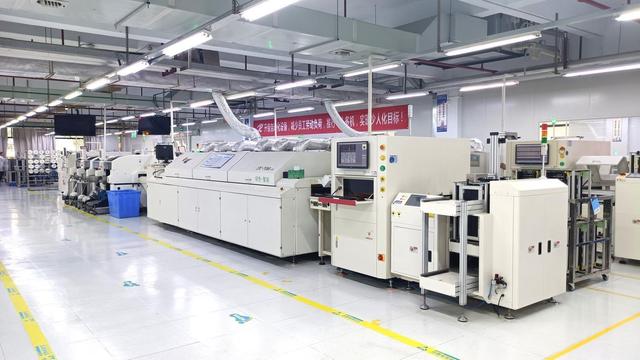
Based in the high-tech manufacturing hub of Shanghai, 3UP Energy leverages Industry 4.0 principles to provide "Information Gain" to our global clients. Unlike traditional manufacturers, our facility utilizes:
 3UP Energy