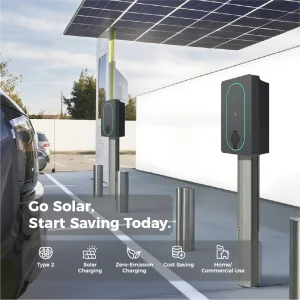
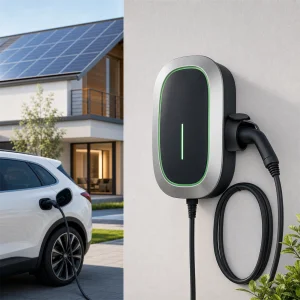
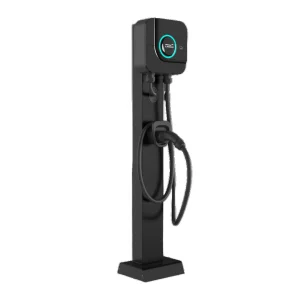
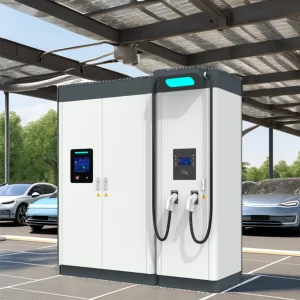
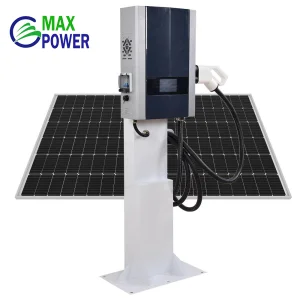
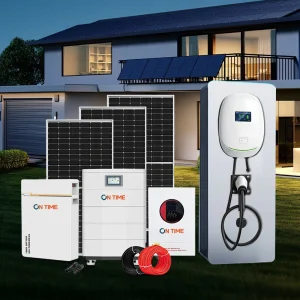
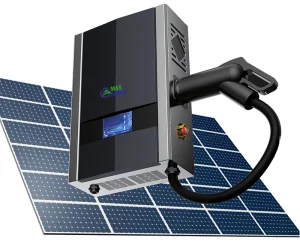
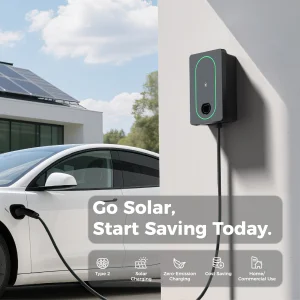
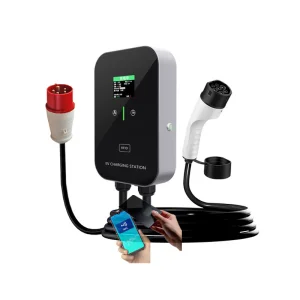
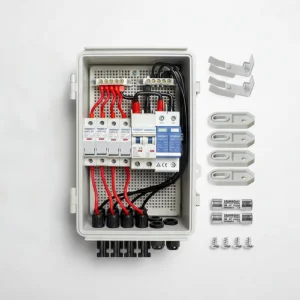
Optimized for local grid standards and high-efficiency solar harvesting.
Serbia is currently undergoing a significant energy transition. As a candidate for EU membership and a signatory to the Sofia Declaration on the Green Agenda for the Western Balkans, the nation is committed to decarbonizing its economy. The Serbian Ministry of Mining and Energy has highlighted the need for integrated renewable solutions to stabilize the national grid while meeting the rising demand for Electric Vehicle (EV) infrastructure. In cities like Belgrade, the push for "Green Zones" is driving commercial entities to seek Solar EV Charging Integration that bypasses traditional grid constraints.
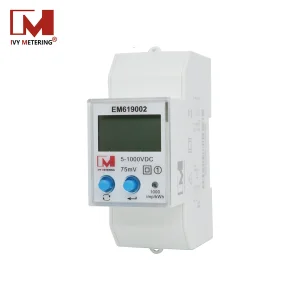
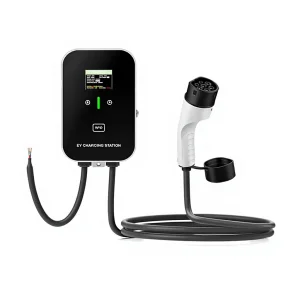
For Serbian manufacturers and logistics hubs—particularly those in the Free Zones of Subotica or Pirot—energy costs are a critical operational variable. Integrating solar PV with EV charging allows these enterprises to utilize vast rooftop spaces to fuel their delivery fleets and employee vehicles. We are seeing a shift from "simple charging" to "Energy Orchestration," where Bi-directional DC Energy Meters and Smart Wallboxes ensure that not a single watt of solar energy is wasted during peak generation hours.
Global procurement officers are no longer just buying "chargers"; they are sourcing "Integrated Energy Assets." The information increment here lies in the Microgrid Convergence. A robust EV charging solution in 2024 must include:
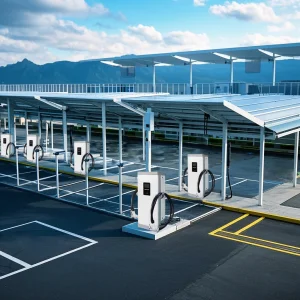
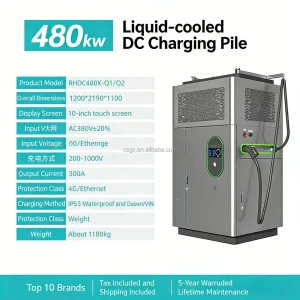
The roadmap for the Serbian market involves the transition from AC destination charging to High-Power Ultra-Fast DC Solar Charging. As heavy-duty electric trucks enter the Balkan corridors, 400kW+ integrated systems will become the standard. Our engineering focus includes V2X (Vehicle-to-Everything) readiness, allowing EVs to act as mobile batteries for the Serbian factory floor during peak tariff periods.
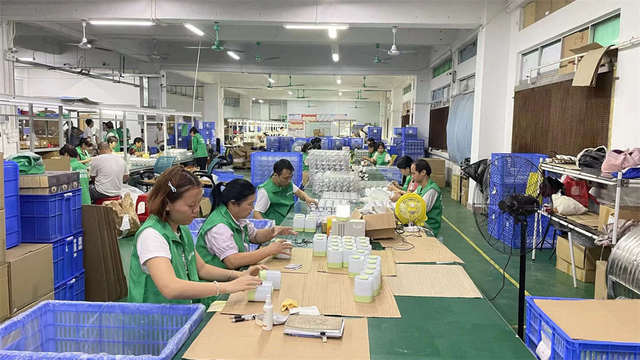
Shanghai 3UP Energy Co., Ltd. is a professional Solar Power Equipment Manufacturer specializing in renewable energy systems, energy storage integration, and smart power solutions for residential, commercial, industrial, and utility-scale applications. Based in Shanghai, China, the company focuses on delivering advanced solar energy technologies that help customers improve energy efficiency, reduce operating costs, and accelerate the transition toward sustainable power generation.
With extensive expertise in renewable energy engineering, 3UP Energy provides comprehensive solutions covering solar power systems, energy storage integration, smart energy management, distributed energy applications, microgrid projects, backup power solutions, and clean energy infrastructure. The company serves a wide range of industries including manufacturing, commercial facilities, public infrastructure, agriculture, logistics, telecommunications, and utility energy projects.
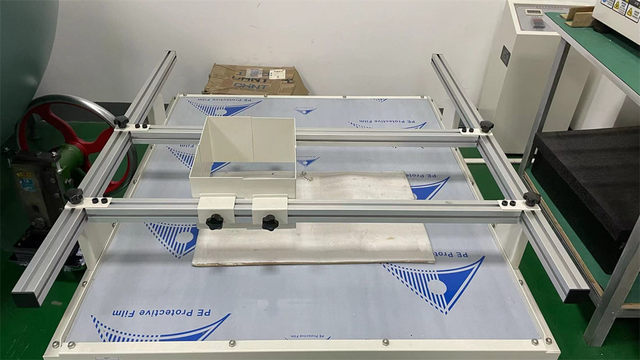
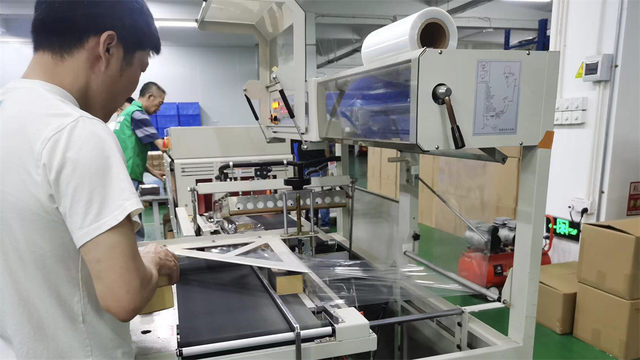
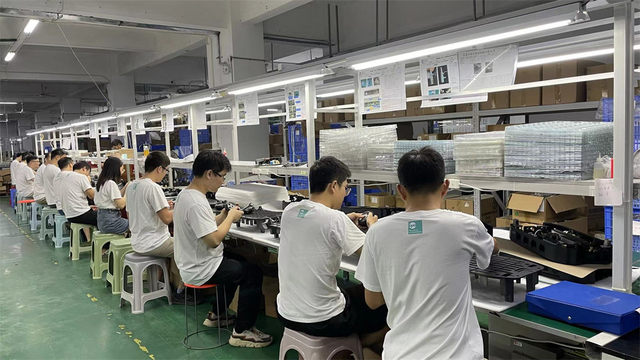
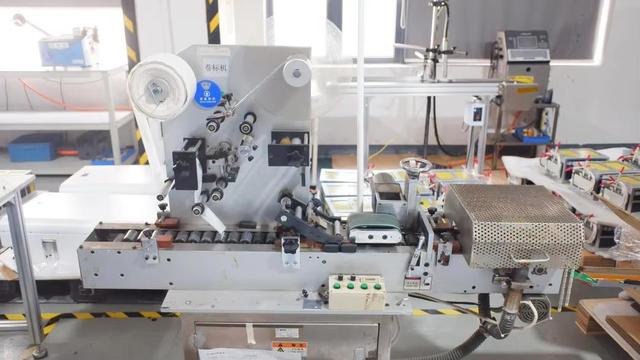
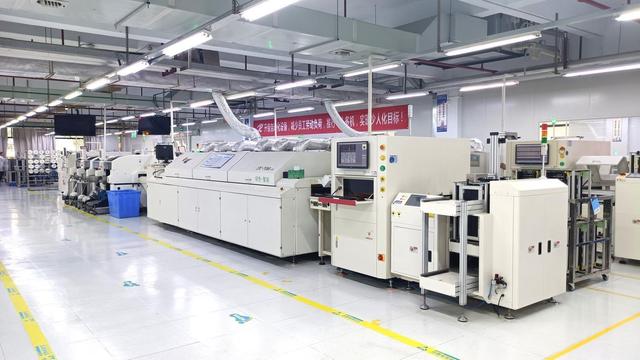
3UP Energy is committed to innovation, system reliability, and long-term performance. Its engineering and technical teams work closely with project developers, EPC contractors, distributors, and energy service providers to design customized solutions based on specific operational requirements, environmental conditions, and energy objectives. From project planning and system design to manufacturing, testing, and technical support, the company provides end-to-end services throughout the project lifecycle.
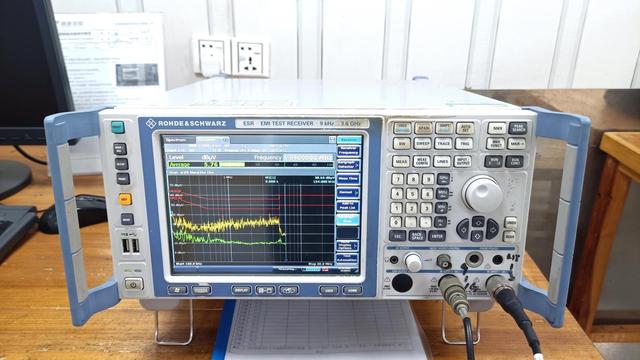
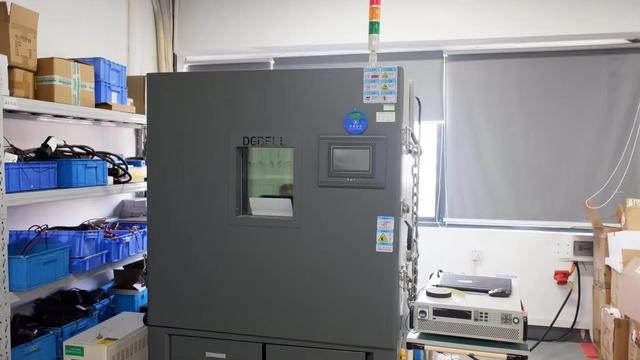
Exporting to the Serbian market requires strict adherence to CE (Conformité Européenne) marking and localized SRPS (Institute for Standardization of Serbia) alignment. Our products undergo rigorous testing for electromagnetic compatibility (EMC) and mechanical safety (IP55/IP65 ratings) to withstand the diverse Balkan climate—from humid summers in Vojvodina to snowy winters in the Kopaonik regions.
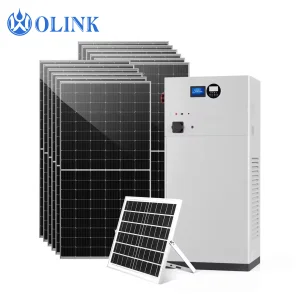
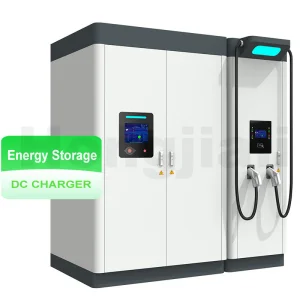
High-capacity systems for commercial fleets and industrial power storage.
It significantly reduces reliance on the national grid, lowers electricity costs, and fulfills ESG (Environmental, Social, and Governance) requirements which are increasingly required for partnerships with EU-based companies.
Yes, all our 11kW and 22kW units are designed for 400V 3-phase systems commonly found in Serbian industrial and residential developments.
DLB monitors the total power consumption of your building. If your machinery is using more power, the EV charger automatically scales down to prevent tripping your main breaker, ensuring operational continuity.
Absolutely. Our hardware is rated at IP55 or higher, with an operating temperature range of -30°C to +55°C, ensuring reliability in even the coldest regions like Sjenica or Kopaonik.
Ready to modernize your energy infrastructure in Serbia?
Our engineering team provides full system design, from PV stringing to EV load management.
 3UP Energy