3UP Energy
1 / 5
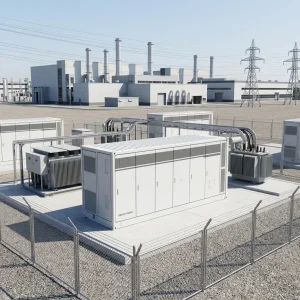
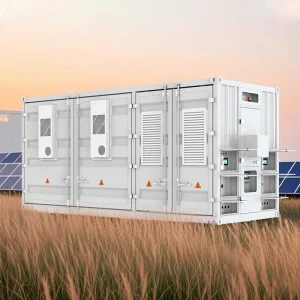
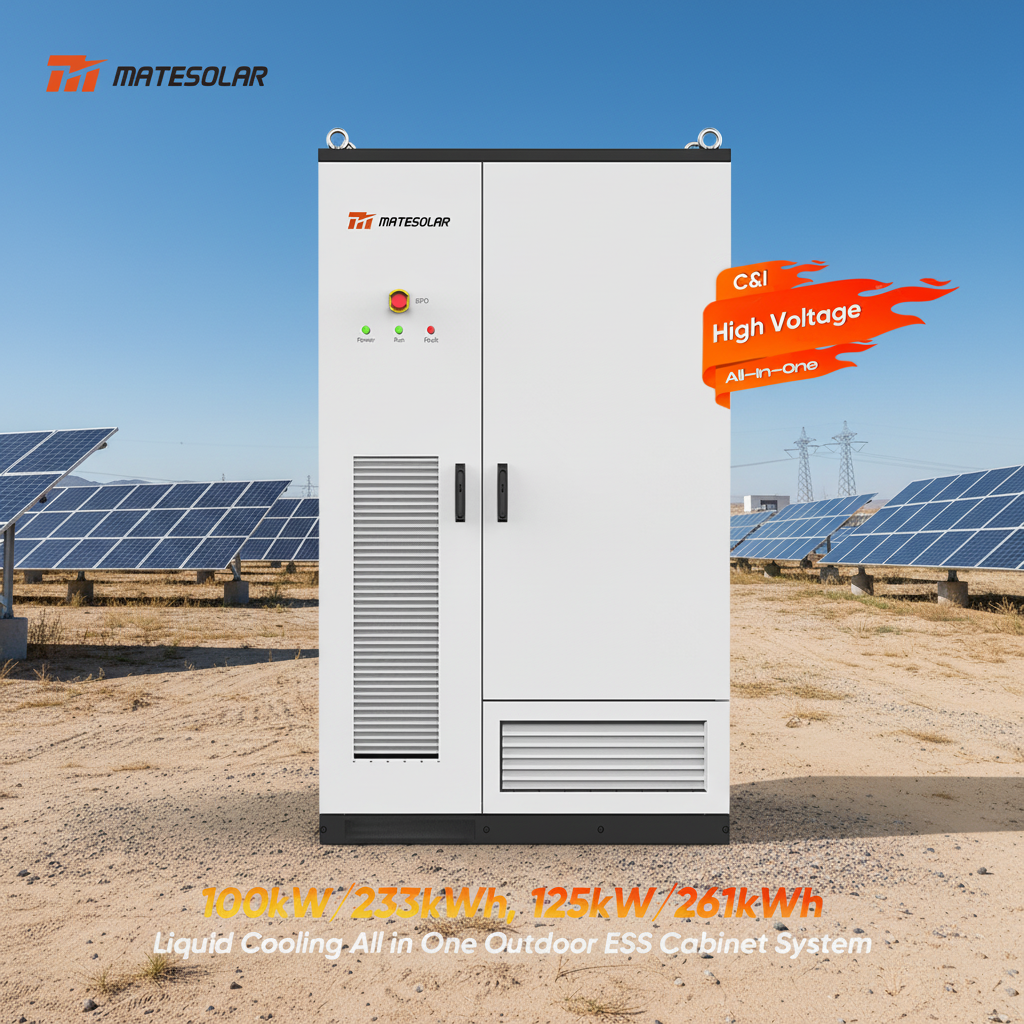
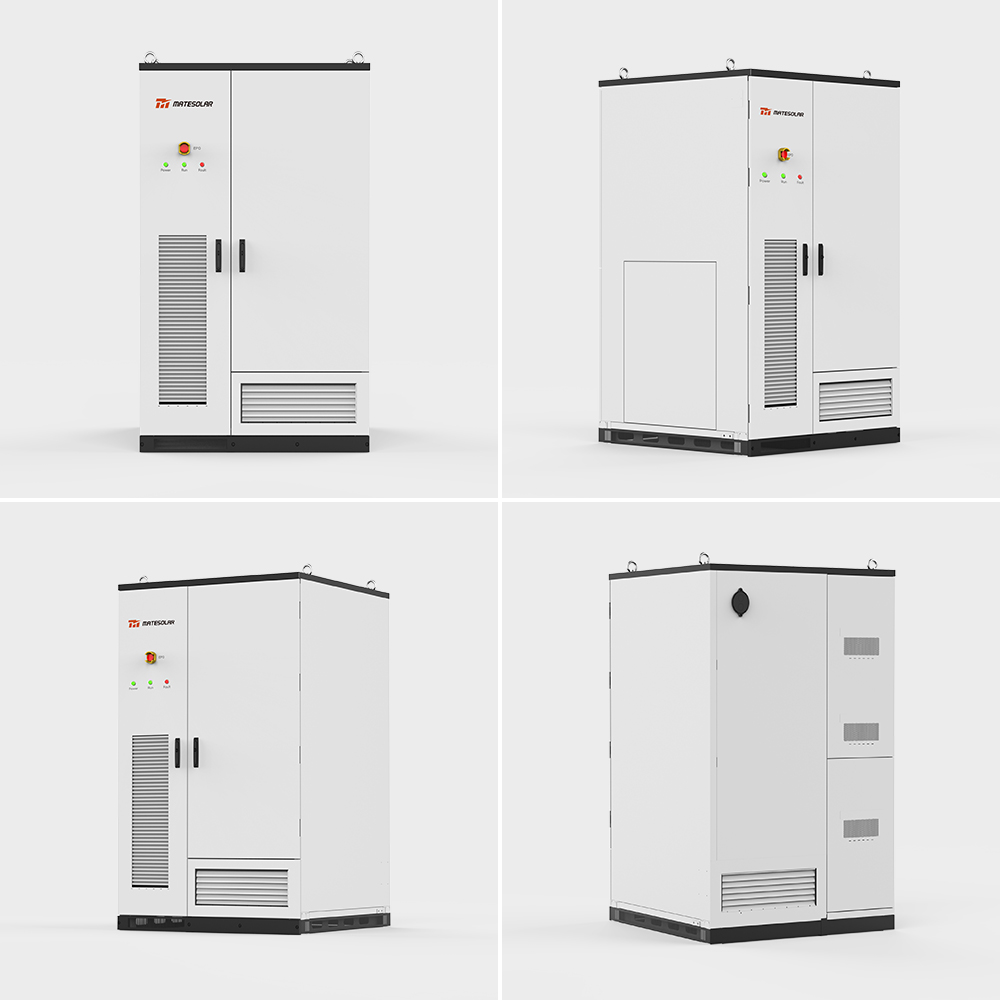
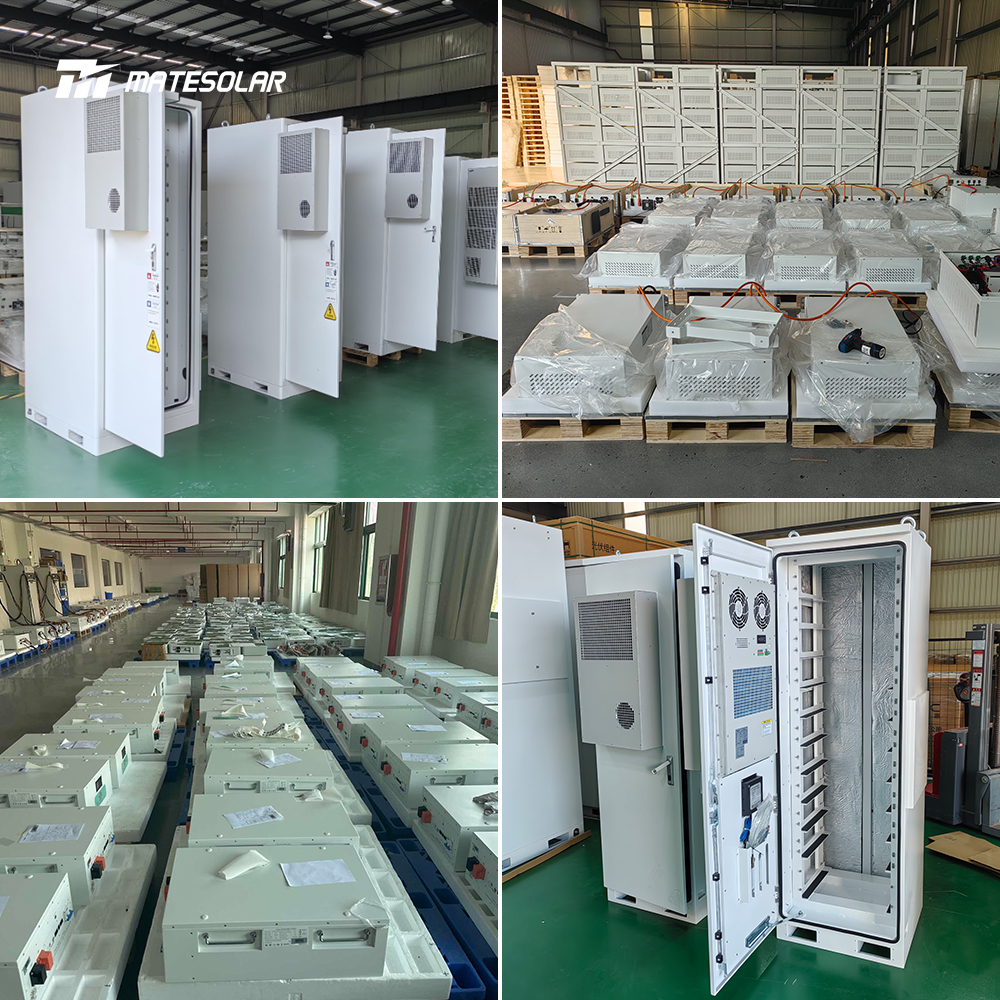
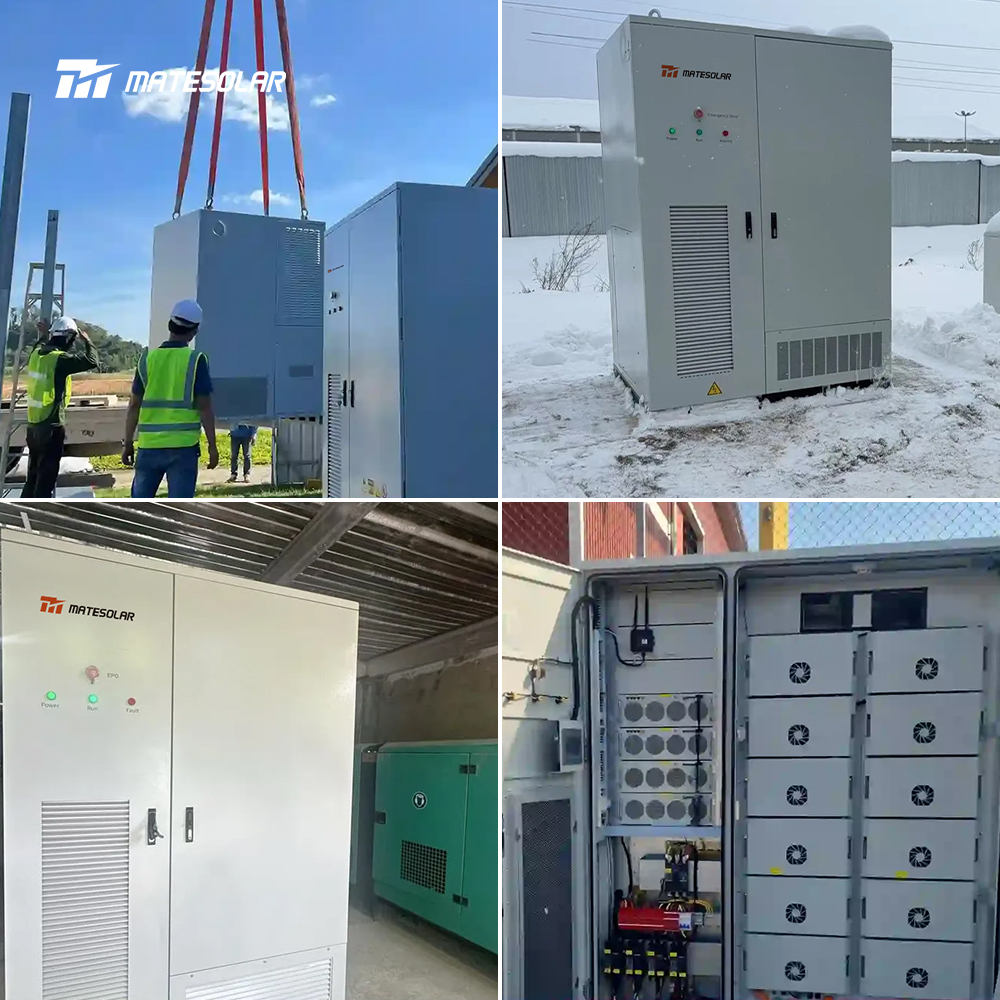
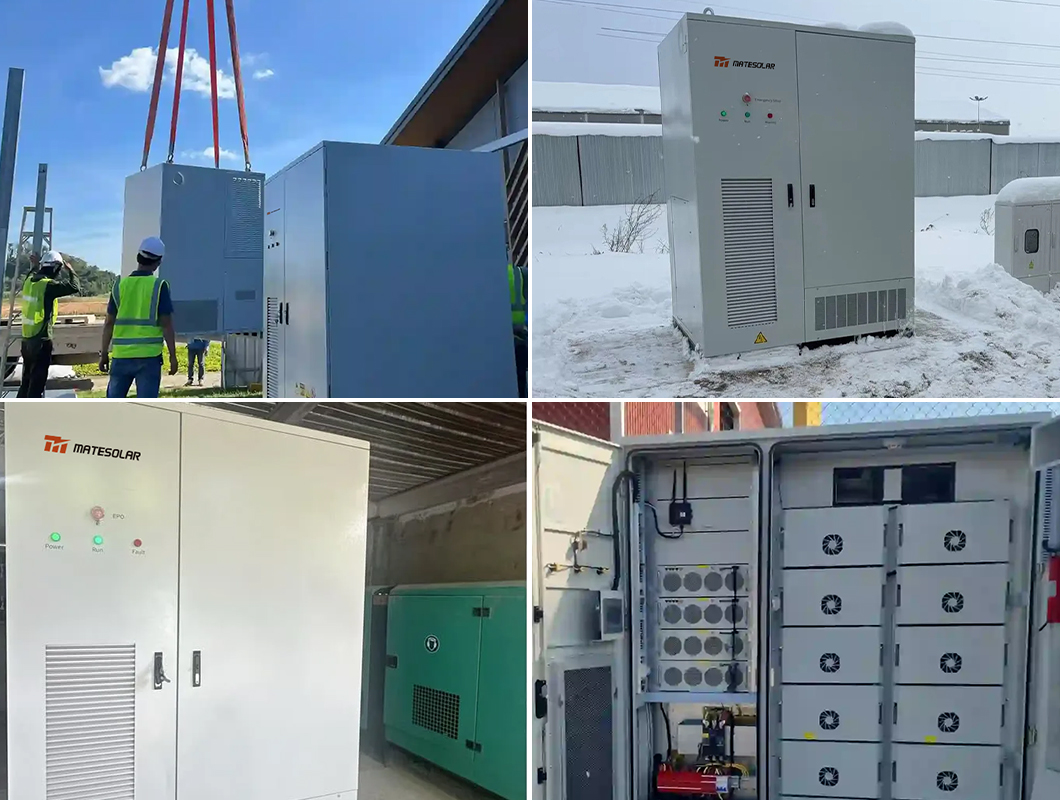
These two liquid-cooled energy storage cabinets are standardized products designed for industrial and commercial energy storage scenarios, covering different power and capacity requirements. Their core design revolves around high safety, long lifespan, and efficient thermal management. Details are as follows:
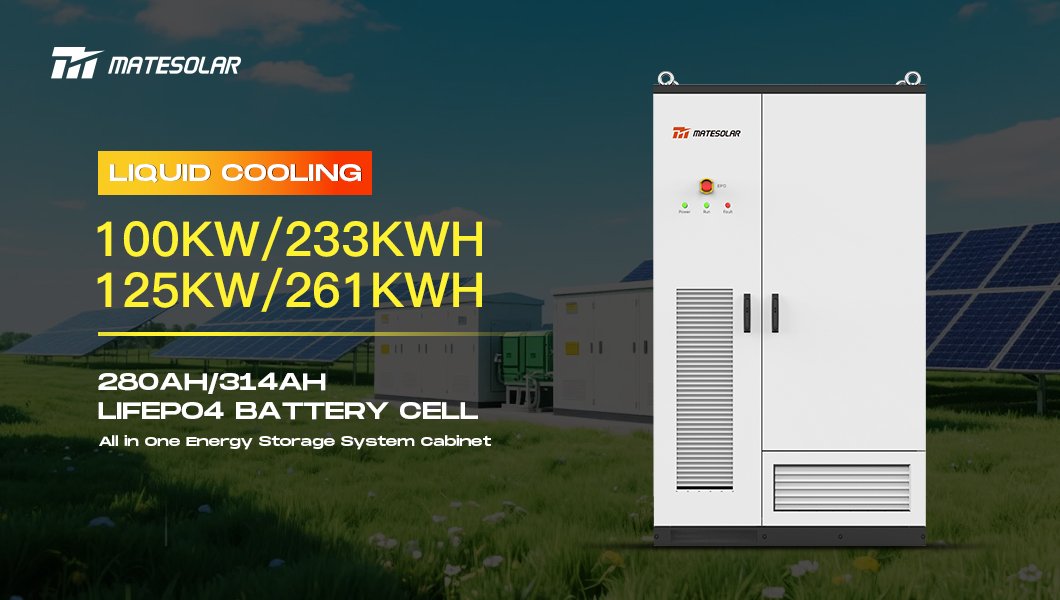
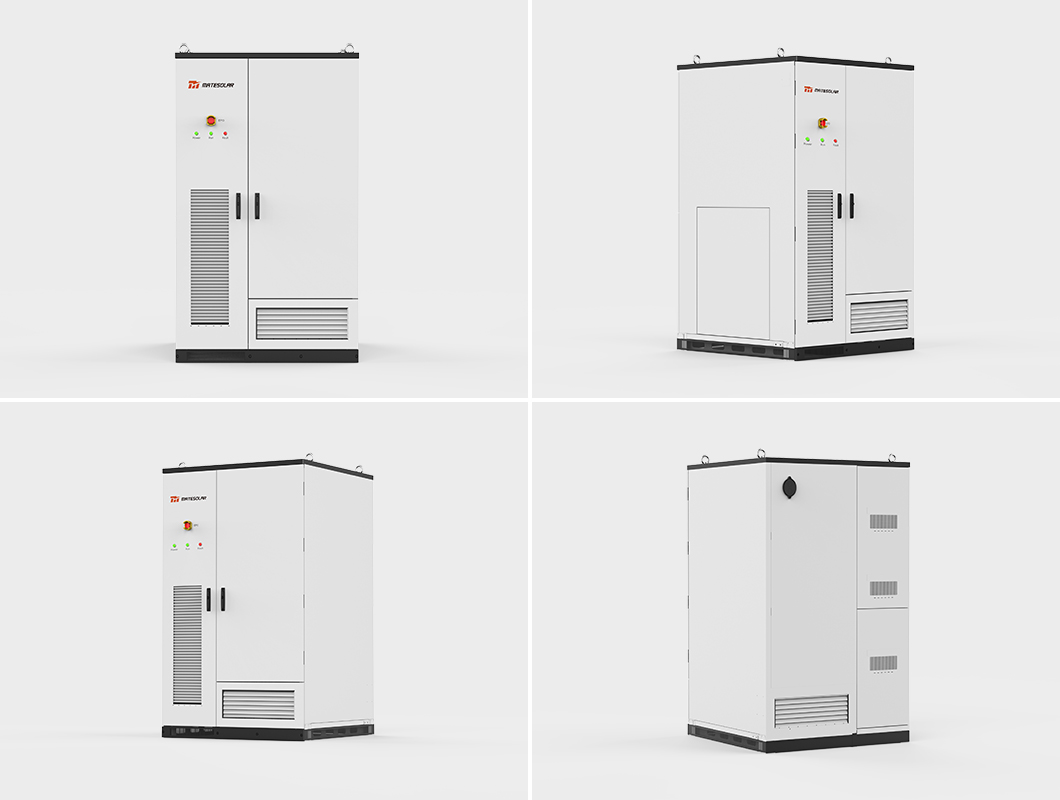
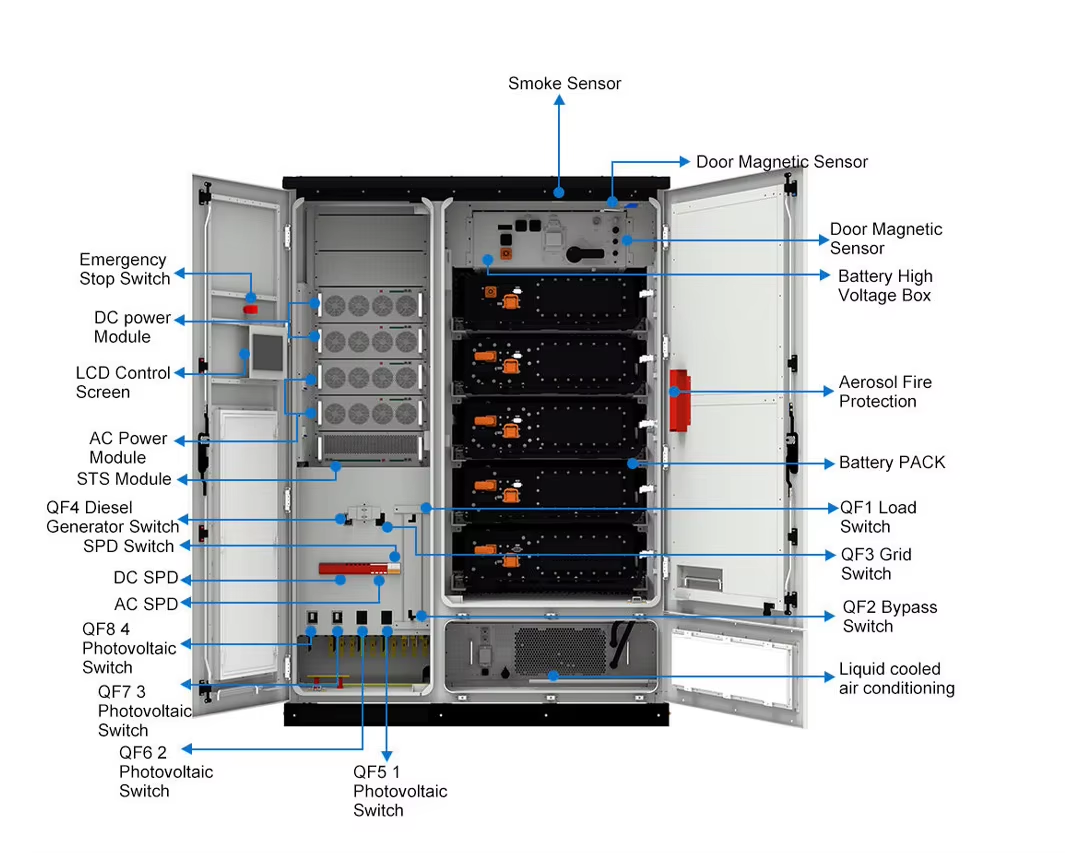
This model features a single-cabinet independent design with a rated power of 100kW and a nominal capacity of 233kWh, suitable for small and medium-sized industrial and commercial users. Its core advantage lies in its high integration—highly integrating the battery pack, liquid cooling system, battery management system (BMS), power converter (PCS), and fire protection system, occupying less than 1.5 square meters, facilitating transportation and rapid deployment.
Compared to traditional air cooling, the liquid cooling solution can control the temperature difference between battery cells within 3°C, significantly improving battery consistency, extending cycle life to over 6000 cycles, and supporting a 1C charge/discharge rate. The system comes standard with multi-level electrical protection and an automatic aerosol/heptafluoropropane fire extinguishing device, meeting IP54 protection standards.
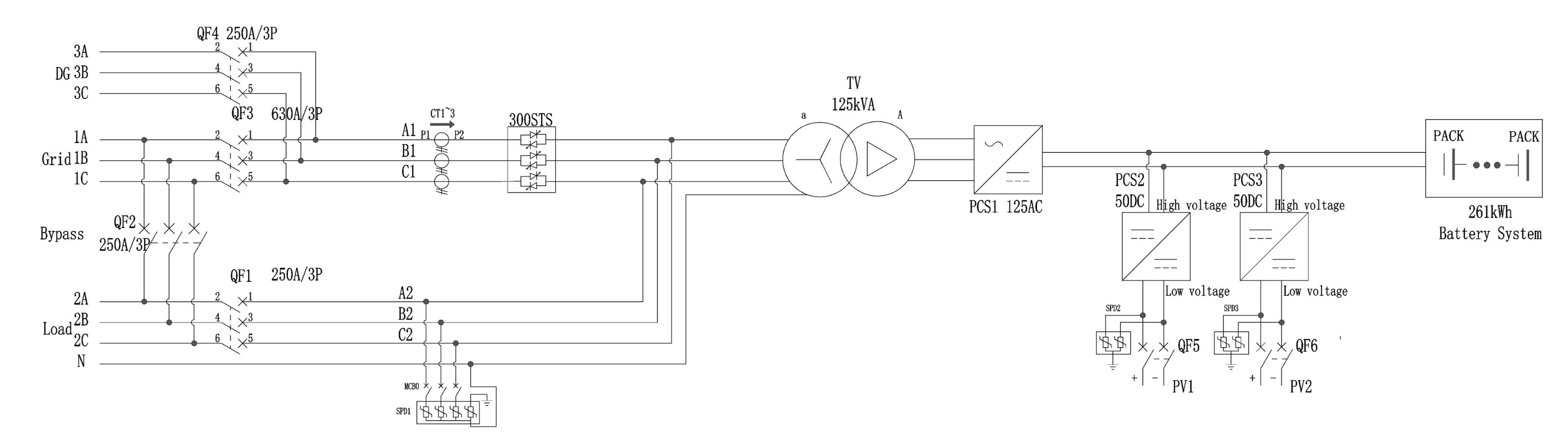
This is an upgraded version in terms of power and capacity, with power increased to 125kW and capacity increased to 261kWh. While maintaining the same footprint, energy density is improved through optimized cell assembly structure (such as using 280Ah or 314Ah high-capacity cells), making it suitable for scenarios requiring higher charge/discharge rates or longer backup power times.
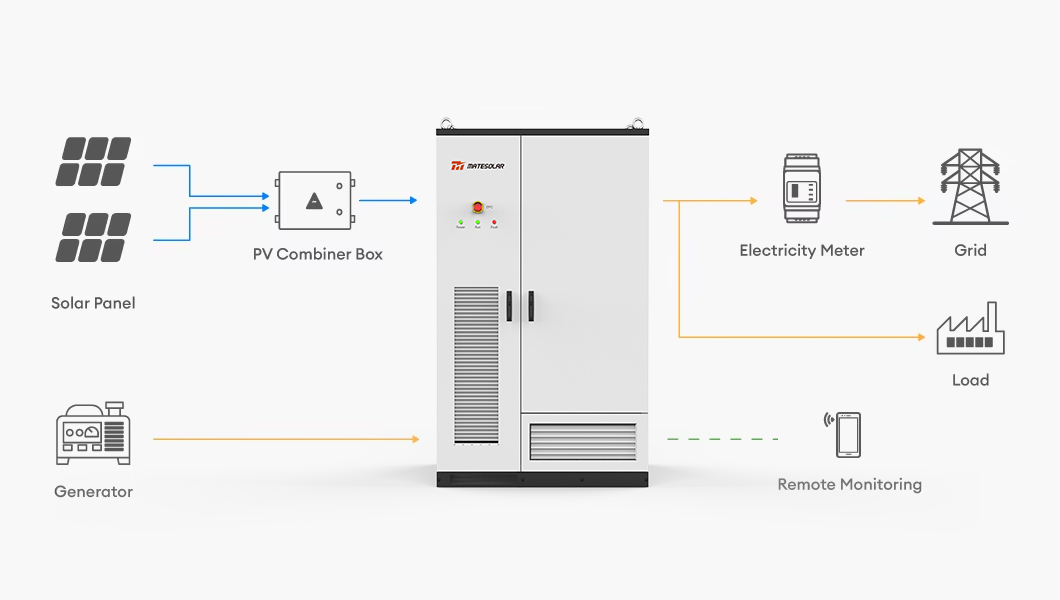
Its significant feature lies in the high coupling between the power conversion system (PCS) and the battery system. The 125kW PCS supports seamless switching between grid-connected and off-grid environments. The liquid cooling system in this model further optimizes the thermal management algorithm, automatically adjusting coolant flow and compressor frequency, reducing auxiliary power consumption by approximately 20% and achieving a system efficiency of over 90%.
Both products come standard with a cloud monitoring platform, capable of real-time monitoring over 200 data points including voltage, temperature, and insulation resistance, supporting remote firmware upgrades and fault warnings. In terms of applications, they are widely suitable for industrial parks, commercial complexes, data centers, and integrated photovoltaic-storage-charging stations. Through a "valley charging, peak discharging" mode, they charge during periods of lower electricity prices and discharge during peak hours, helping users reduce electricity costs. Simultaneously, they also serve as backup power, automatically switching to off-grid power supply mode within 20 milliseconds during grid fluctuations or power outages, ensuring continuous operation of critical loads. Flexible capacity expansion is achieved through modular design supporting multi-unit parallel operation.
| Model | MTBK-100kW/233kWh | MTBK-125kW/261kWh |
|---|---|---|
| Battery Parameters | ||
| Battery rated capacity | 232kWh | 261kWh |
| Battery rated voltage | 832V | |
| Battery voltage range | 728V~936V | |
| Battery type | LFP | |
| Battery cell capacity | 1P*52S*5S | |
| Cell Capacity | 280Ah | 314Ah |
| Max.charging/discharging power | 0.5P | |
| Max.charge/discharge current | 184A | 157A |
| Photovoltaic Parameters | ||
| Rated power | 100kW | |
| PV Voltage Range | 250~550V (MPPT) | 250~500V (MPPT) |
| PV Max. Current | 160A*2 | - |
| MPPT quantity | 2 | - |
| AC Parameters | ||
| Rated AC power | 100kW | 125kW |
| Rated AC current | 144A | 180A |
| Rated AC voltage | 400V, 3W+N+PE | |
| Rated AC frequency | 50/60Hz | |
| THDi | <3% (Rated power) | |
| Power Factor | -1leading to+1 lagging | |
| THDv | <3% (linear load) | |
| General Parameters | ||
| Protection level | IP55 | |
| Protection level | I | |
| Isolation mode | Isolation transformer | |
| Shutdown self-discharge | <100W (Without transformer) | <0.1% Rated power (Without transformer) |
| Display | LCD | |
| Relative humidity | 0 ~ 95% (No condensation) | |
| Noise | <78dB | |
| Ambient temperature | -25°C to +60°C (Derating above 45°C) | |
| Cooling mode | Intelligent liquid-cooled | |
| Altitude | 3000m (>2000m derating) | |
| BMS Communication | CAN | |
| EMS Communication | Ethernet / 485 | |
| Dimension (W * D * H) | 1600*1350*2300mm | |
| Weight (approx.) | 3180kg | 3330kg |
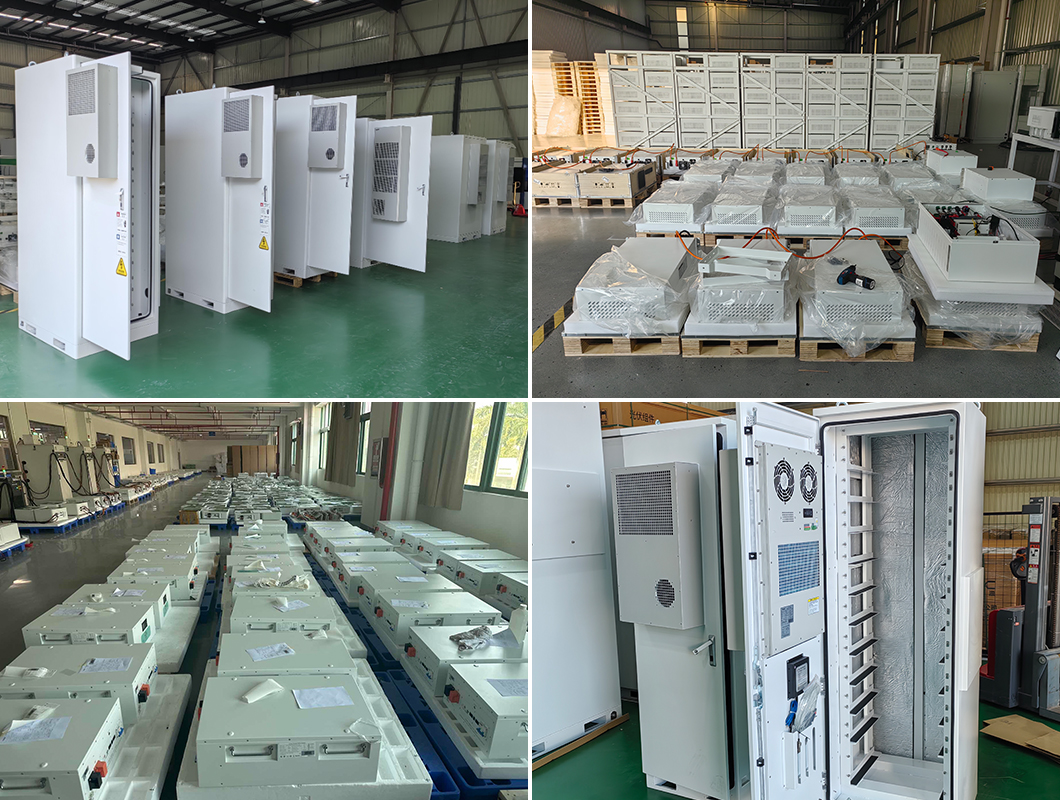
Founded in 2002, our enterprise is a professional enterprise specializing in the photovoltaic (PV) field. We have consistently focused on the clean energy sector, providing high-quality PV products and services to support the global energy transition.
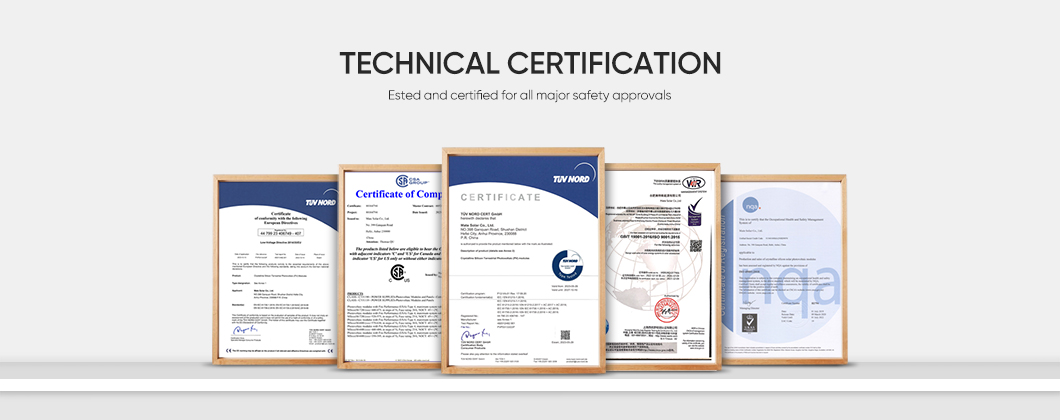
In terms of product portfolio, we have formed a diversified core product matrix, mainly dealing in the entire PV industry chain, including solar modules, solar inverters, lithium batteries, solar systems, containerized energy storage, and outdoor cabinets. Our products have not only passed multiple authoritative certifications such as ISO 9001:2015 quality management system and ISO 14001:2015 environmental management system, but also possess excellent adaptability to extreme environments, meeting the application needs of various scenarios.
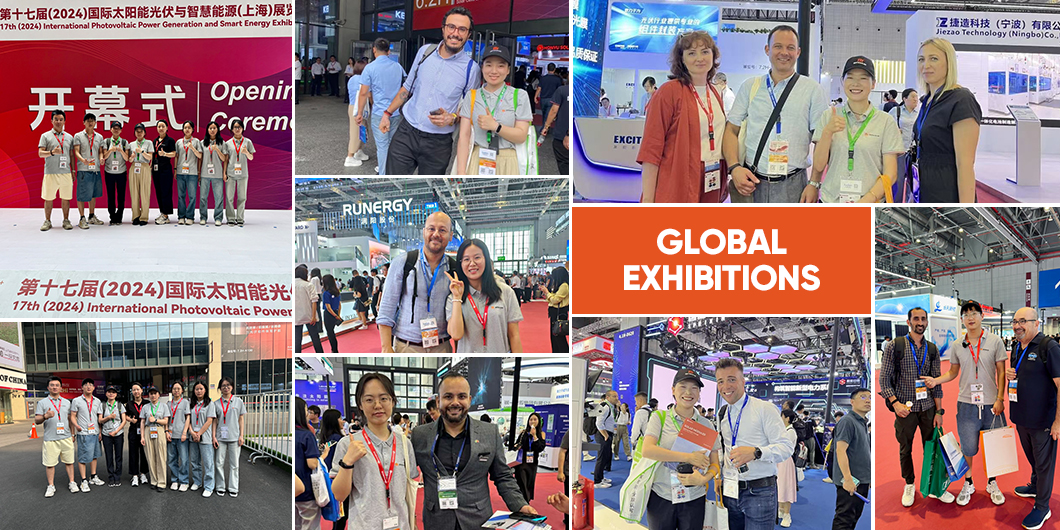
Regarding market layout, we expand our business with a global perspective, with a trade export network covering more than 100 countries and regions. We focus on key market segments such as North America, Central America, Europe, and Africa. Leveraging our sound marketing network and superior product strength, we have established deep partnerships with many well-known brands in the PV industry. The company reaches global customers through multiple channels, including our online store, independent website, and participation in overseas professional exhibitions. We receive a substantial number of monthly inquiries and provide one-stop photovoltaic system integration solutions to global clients, earning widespread market recognition.
Upholding the vision of "making clean energy accessible to the world and contributing to alleviating global energy pressures," we consistently integrate innovation and responsibility into our core development. With a customer-centric approach and a pragmatic and dedicated attitude, we continue to deepen our expertise in the photovoltaic field. In the future, we will continue to focus on upgrading clean energy technologies, contributing to the optimization of the global energy structure and helping to achieve sustainable global energy goals through high-quality products and services.
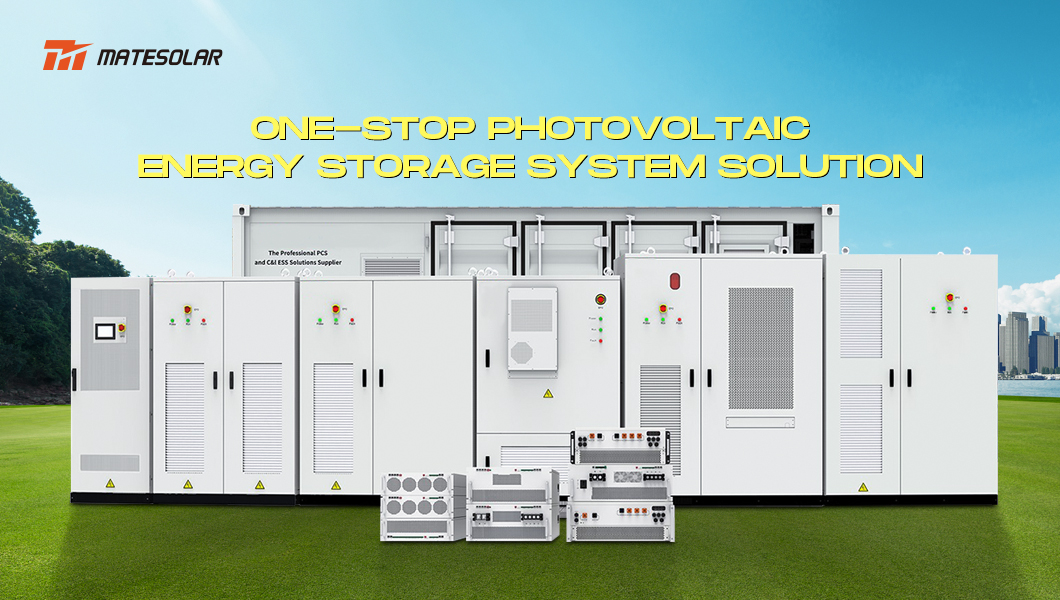
Our C&I PCS and BESS solutions help you achieve peak shaving, PV energy self-consumption, microgrid backup power supply, demand charge management, and solar-storage integration for your business.