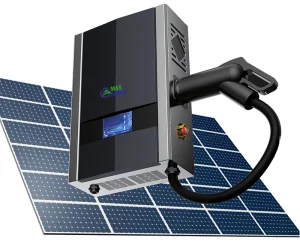
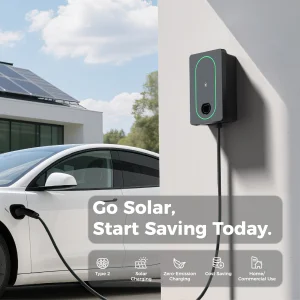
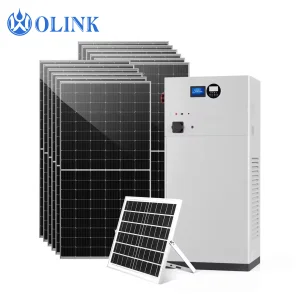
IP65 LFP ESS Smart Energy Management Integrated Solar Ev Charger 5kWh 40kWh Home Battery Storage

Product Description

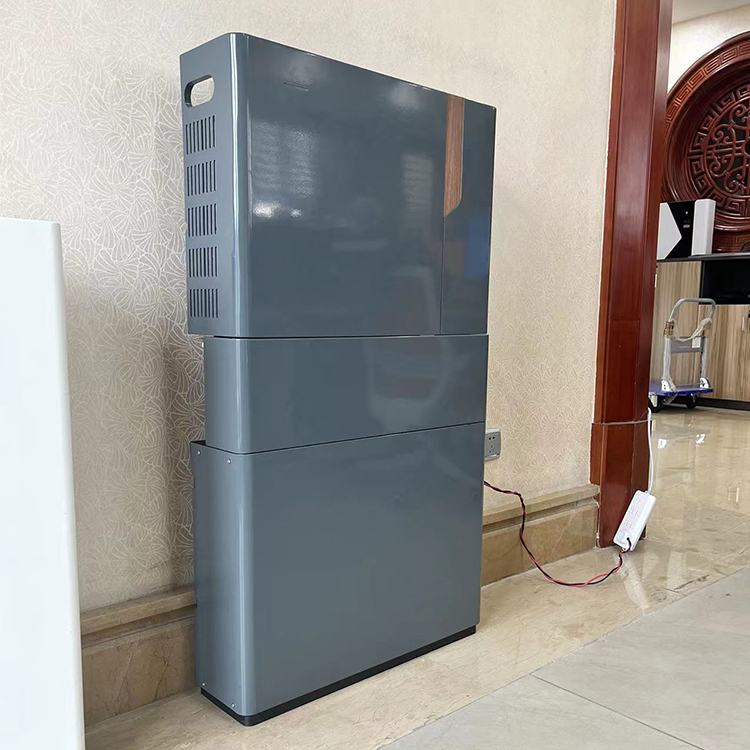
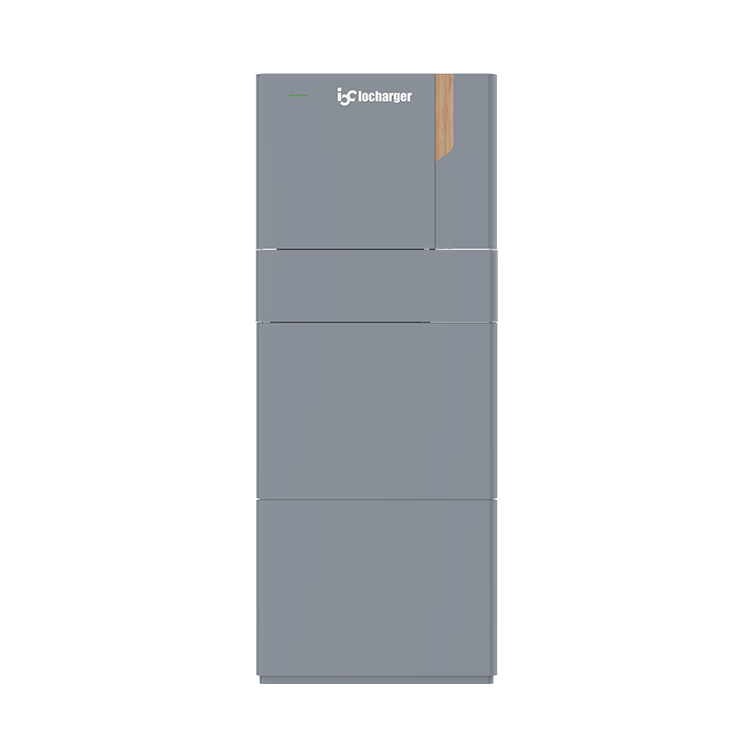
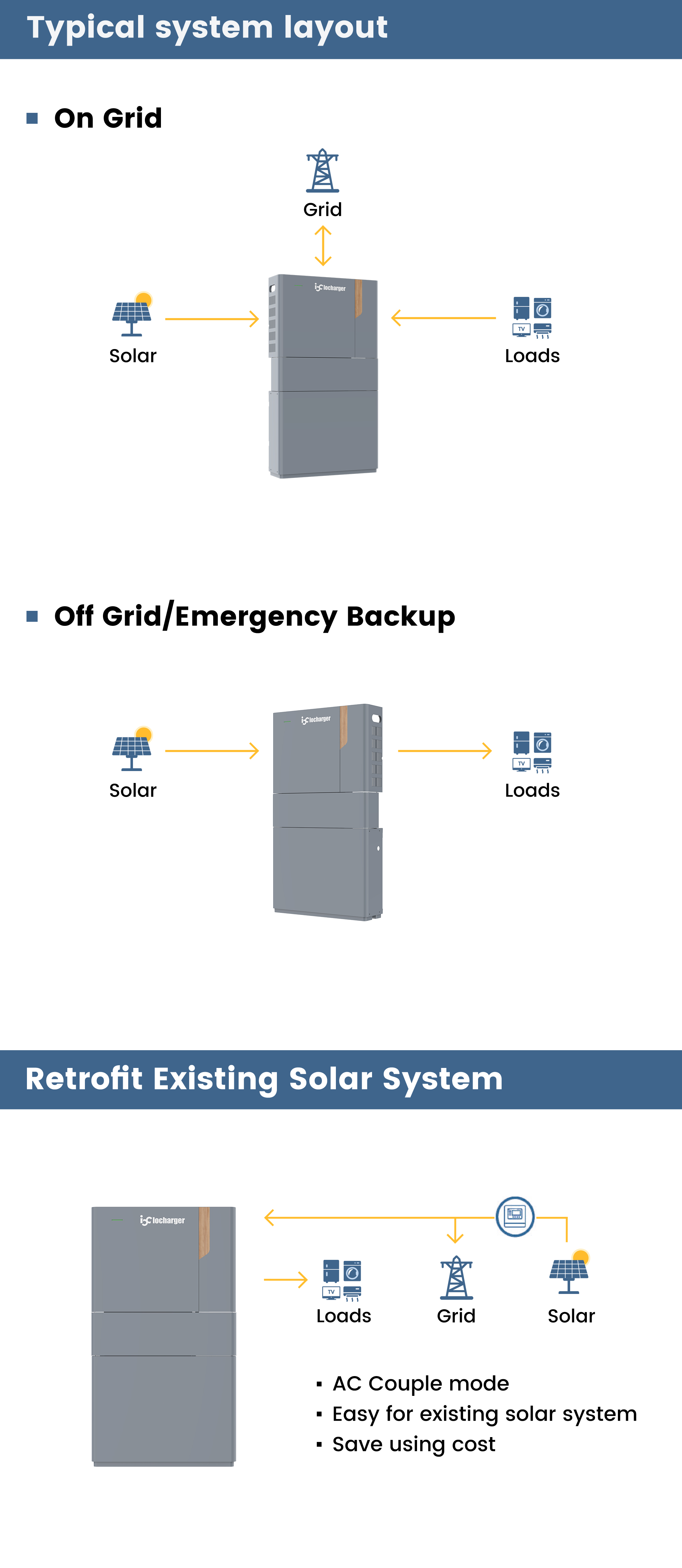
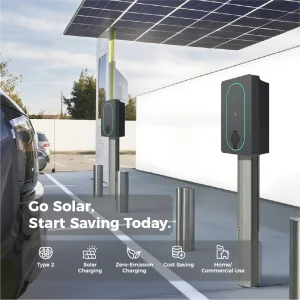
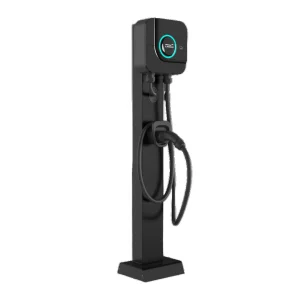
Product Display 1
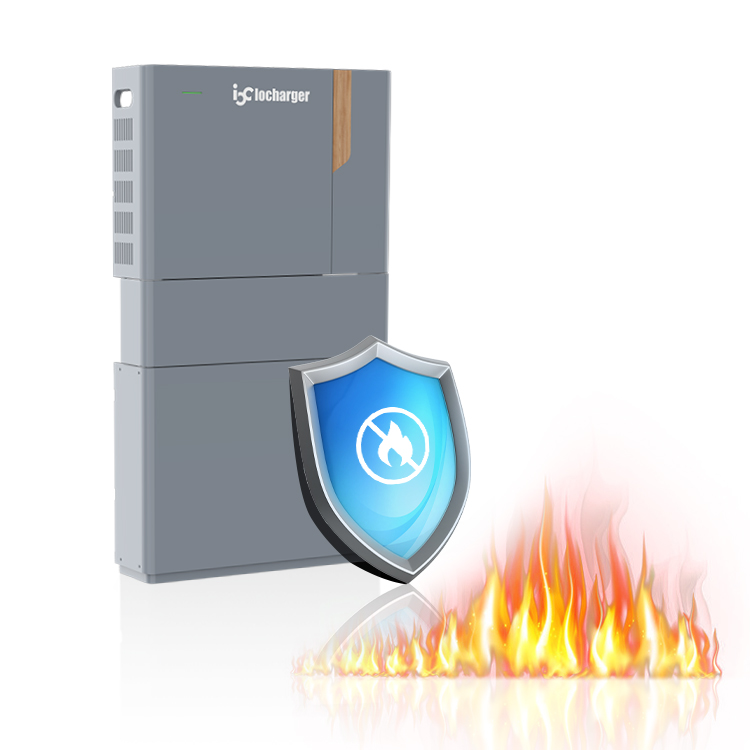
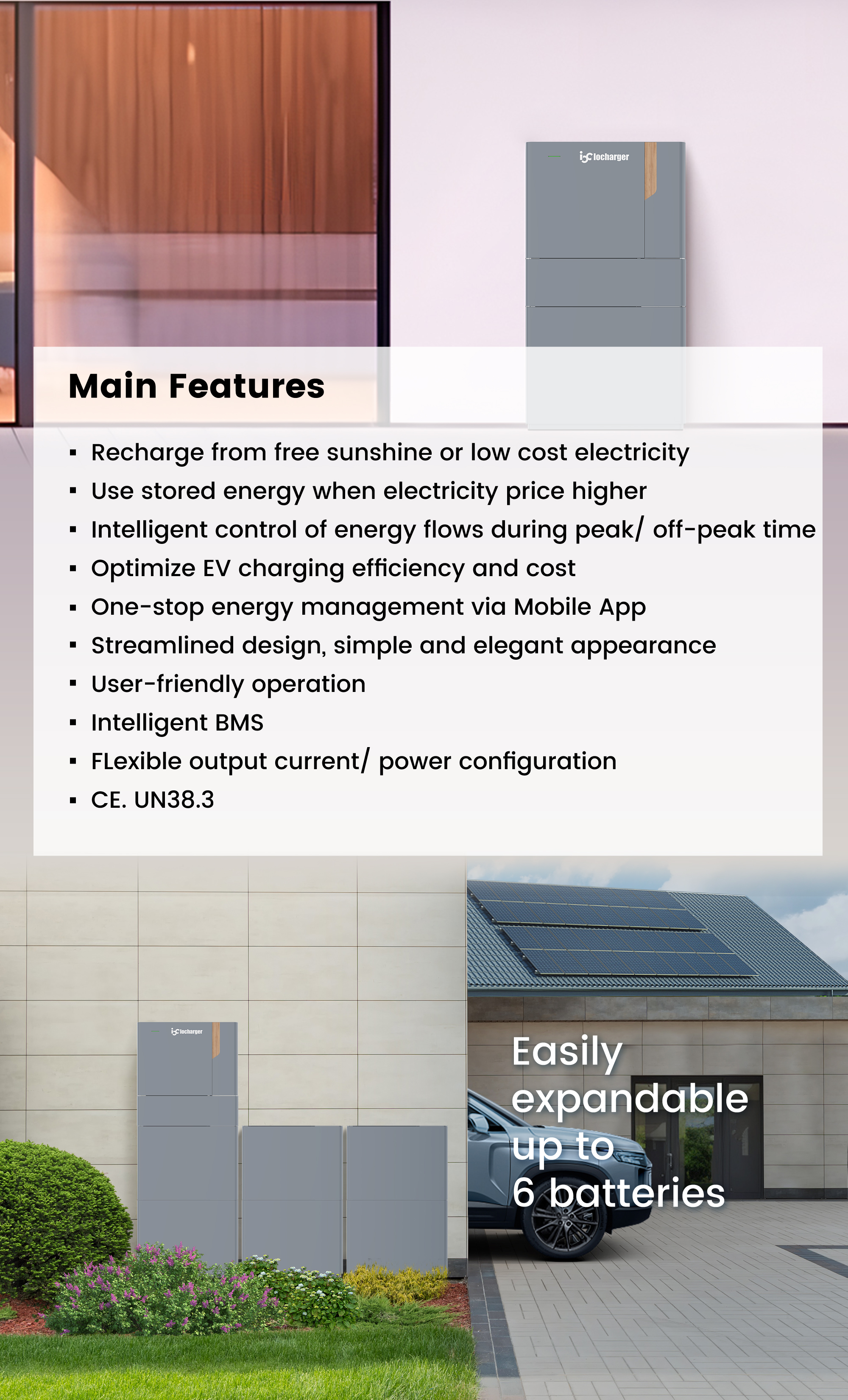
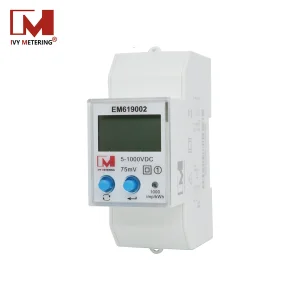
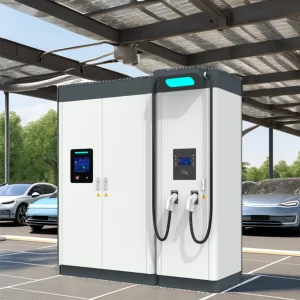
Product Display 2
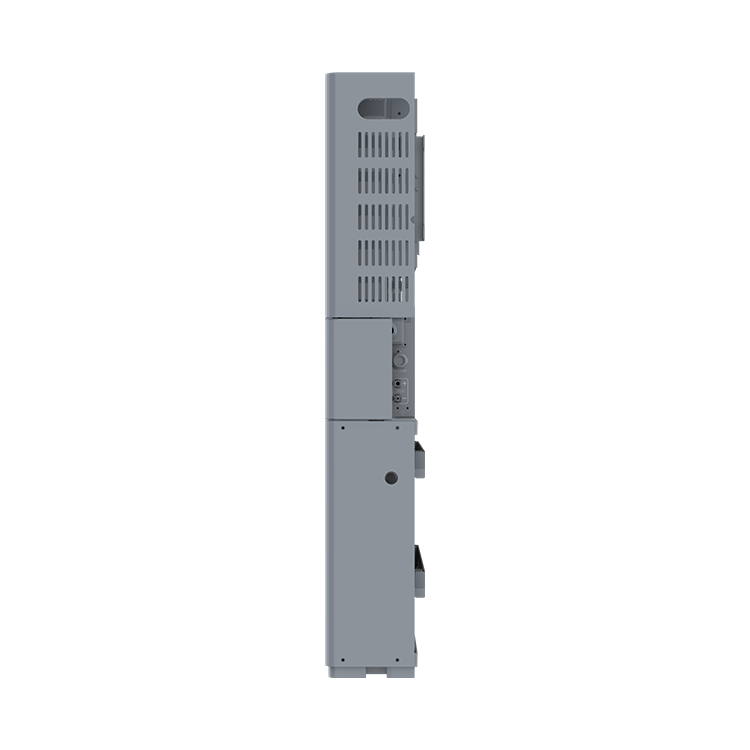
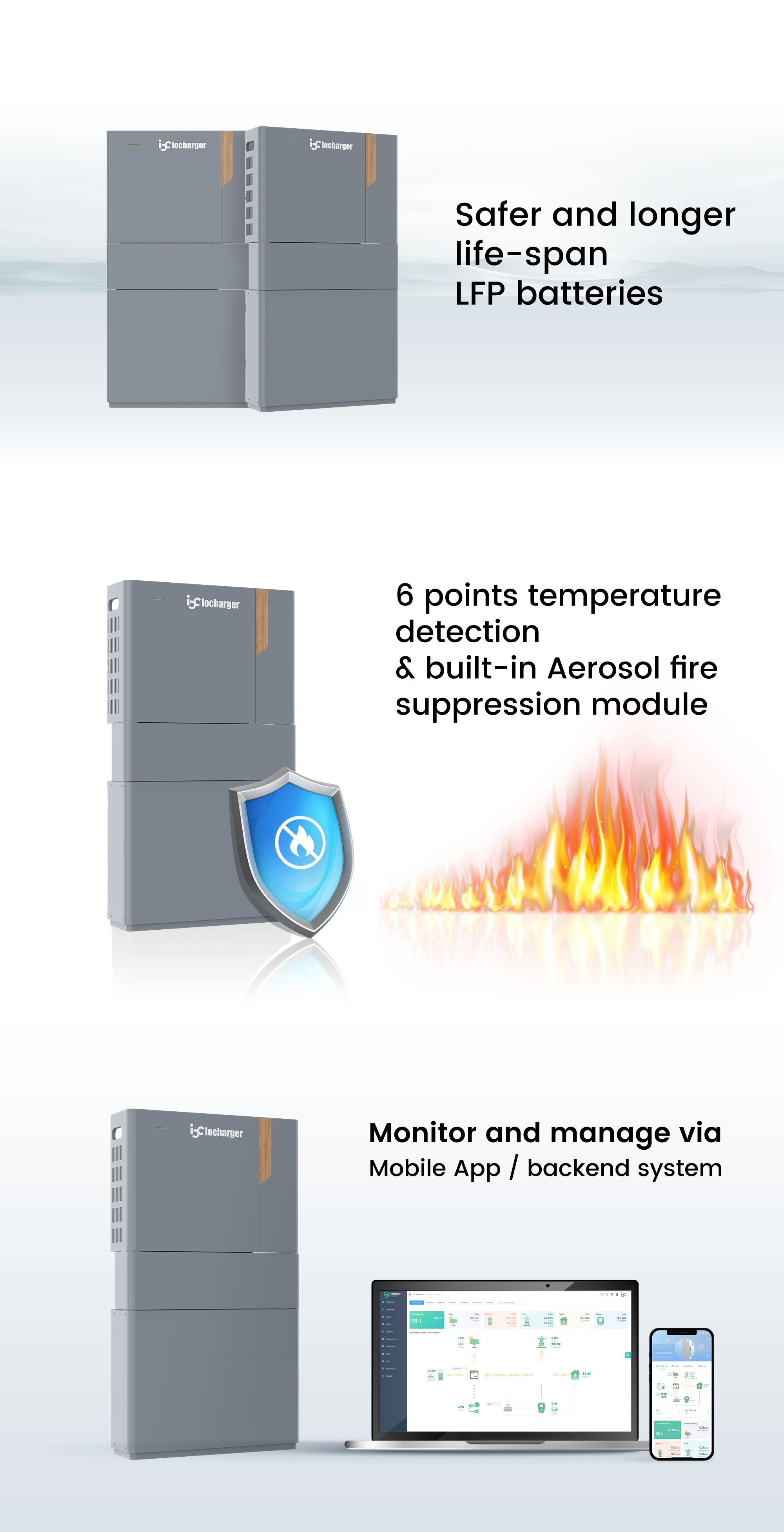
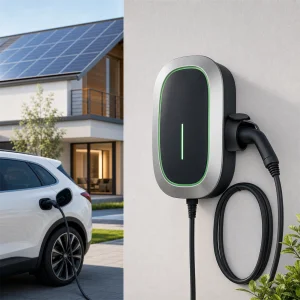
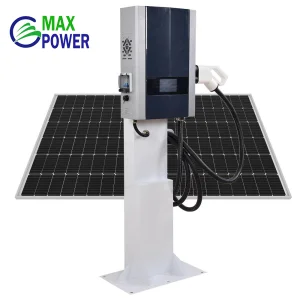
Product Display 3
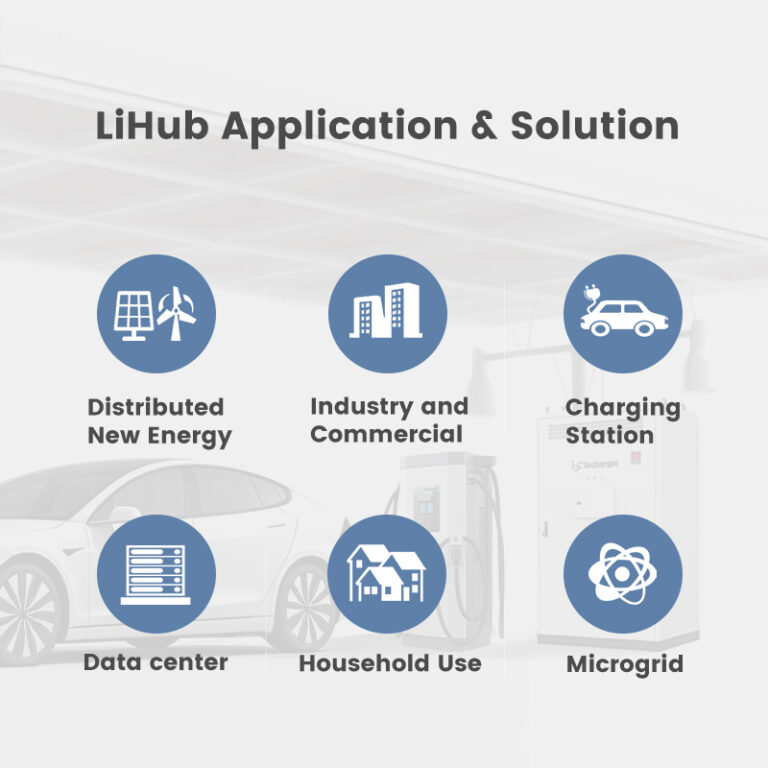
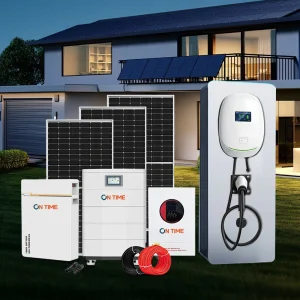
Product Display 4
📊 Specification
Inverter Side
Rated output power6000W
Rated output voltage220V/230V/240V
Rated output current27.2A
Rated frequency50Hz/60Hz
Grid-tie Side
Input maximum current27.5A
Input voltage range184V - 246V
Frequency range45Hz - 65Hz
Rated output power6000W
Rated grid voltage230V
PV Side
Photovoltaic input parameters9000Wp
Starting voltage75V
Maximum input voltage600V
MPPT voltage operating range80V - 550V
Number of MPPT2
Battery Side
Battery capacity5120Wh
Available capacity4600Wh
Discharge depth90%
Rated voltage51.20 V
Cycle life6000 Cycles (80% DoD)
General Data
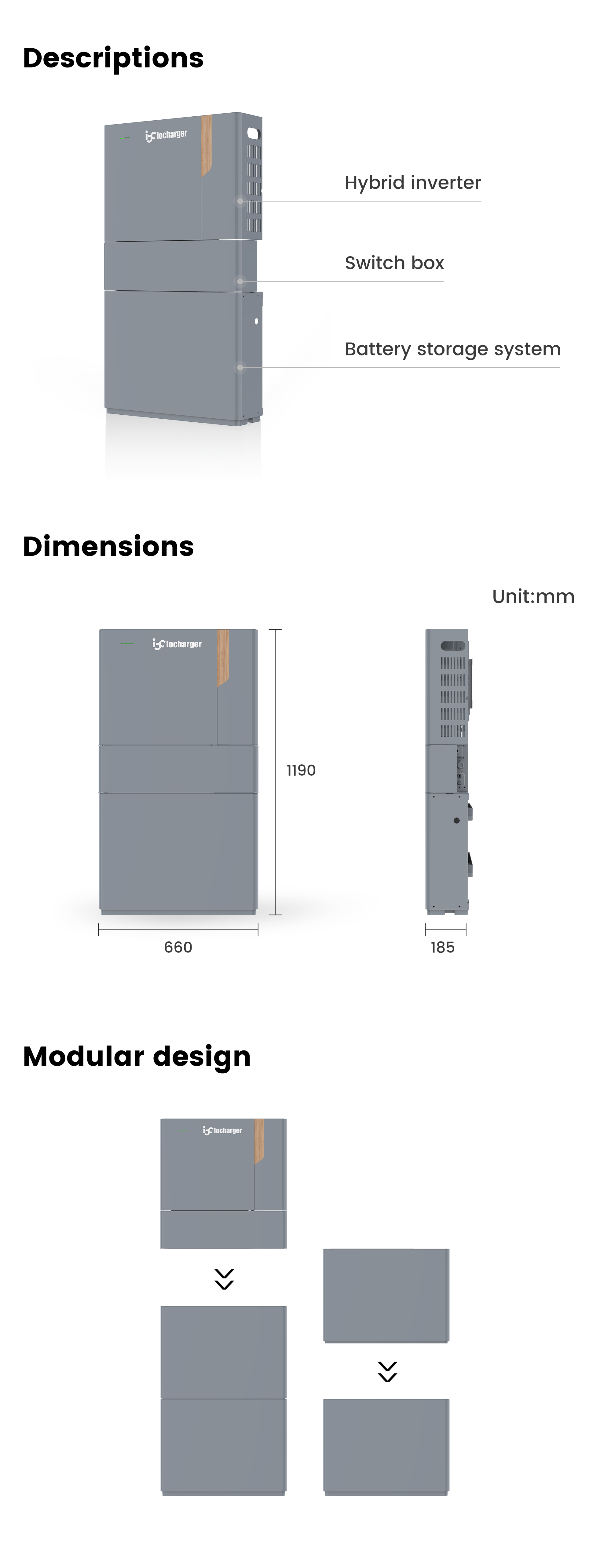
Dimension1190H*660W*185D
Weight65KG
IP levelIP65
Monitoring communicationWiFi
Product Advantages
Advantage 1
Advantage 2
🏢 Company Profile
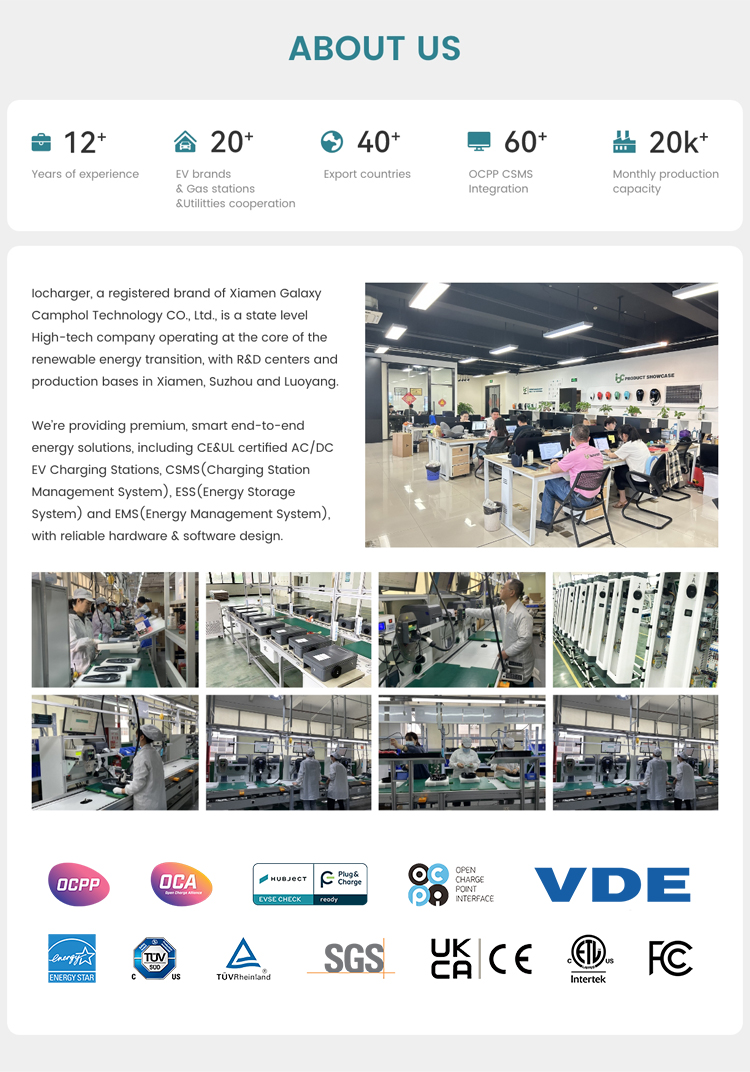
Profile 1
Profile 2
FAQ
Q1: What is the main difference between AC Charger and DC Charger? The difference is the location where the AC power gets converted; inside or outside the car. Unlike AC chargers, a DC charger has the converter inside the charger itself. It feeds power directly to the car's battery and doesn't need the on-board charger to convert it.
Q2: What are the different Charging Modes? Mode 2: Slow AC charging with a standard socket. Mode 3: Fast AC charging using a dedicated fixed circuit. Mode 4: Rapid DC charging using direct current with connection technology like CHAdeMO or CCS.
Q3: What are the global DC fast charging standards? CCS-1: North America; CCS-2: Europe; CHAdeMO: Japan; GB/T: China.
Q4: Does higher charging station output power always mean faster charging? No. Due to battery limits, once a certain upper limit is reached, more power won't increase speed. However, high-power chargers can support dual connectors simultaneously or future-proof for improved battery technology.
Q5: How fast can a vehicle be charged? Speed depends on: 1. Charger Type (kW capacity); 2. Vehicle (inverter capacity and current battery level); 3. Conditions (optimal battery temperature is between 20-30 degrees).
Q6: What is the warranty period for the hardware? The hardware warranty is typically two years, with lifetime software support available depending on specific terms.
Bottom Banner

Related Products