3UP Energy
1 / 5
| Item | Specification (280AH) | Specification (314AH) |
|---|---|---|
| Cell | 280AH/3.2V | 314AH/3.2V |
| Cell Type | Lithium iron phosphate | Lithium iron phosphate |
| Rated Discharge Rate | ≤0.5C | ≤0.5C |
| Rated Voltage | 1331.2V | 1331.2V |
| Operating Voltage Range | 1164.8V-1497.6V | 1164.8V-1497.6V |
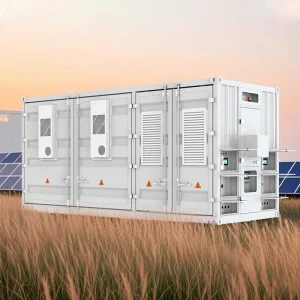
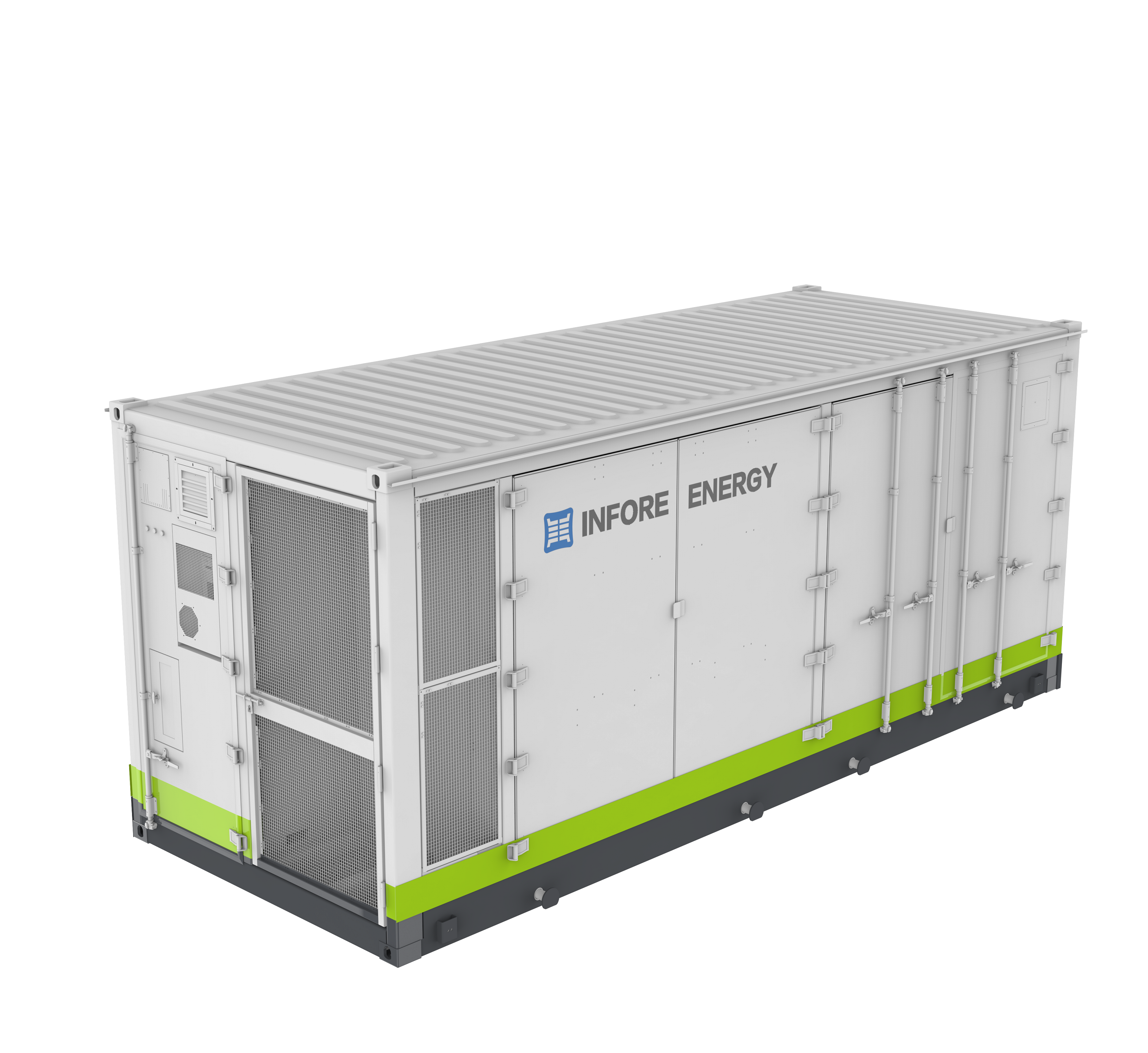
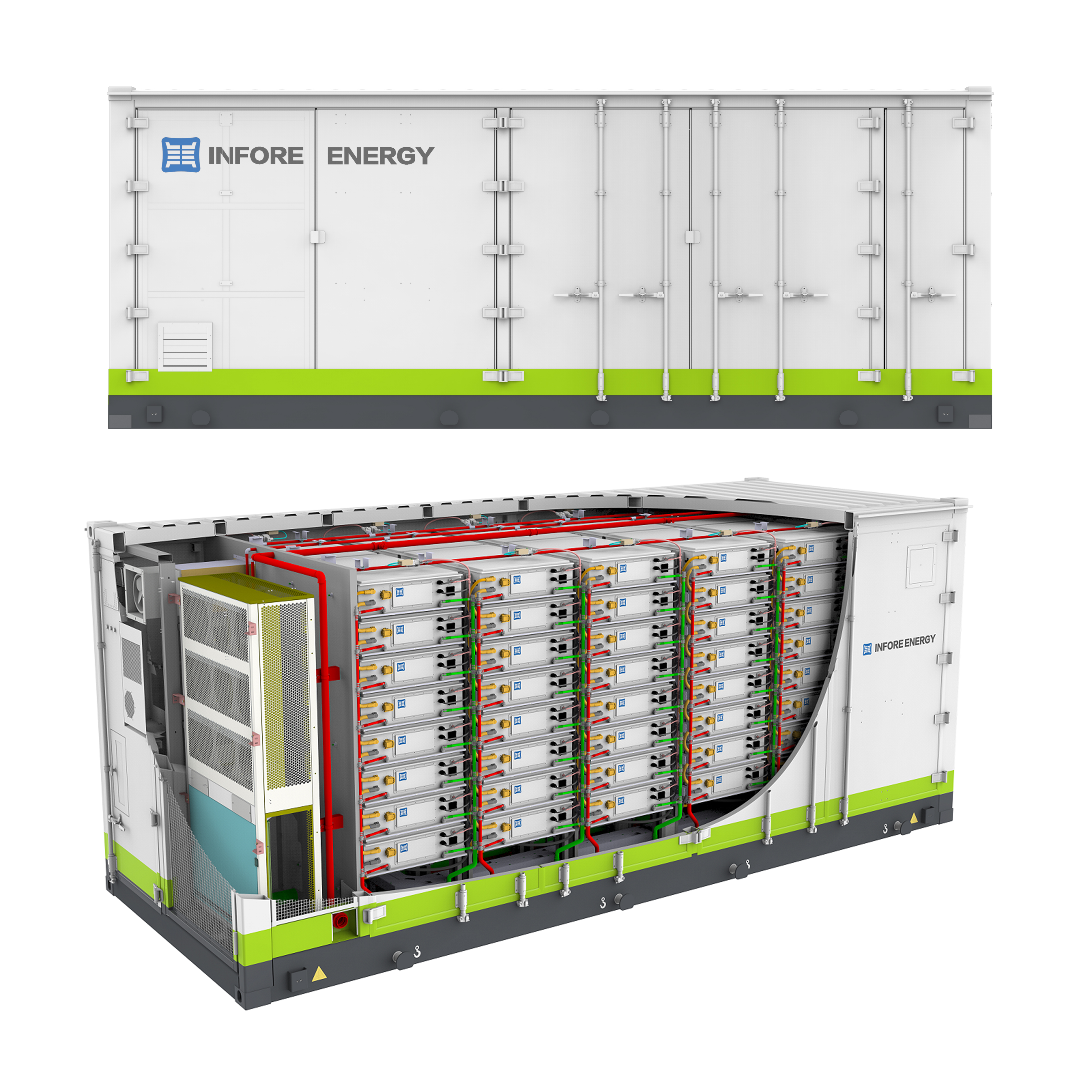
| Nominal Energy | 3.72MWh | 5MWh |
| Protection Rating | IP55 | IP55 |
| Corrosion Resistance Rating | C4 | C4 |
| Weight | ≈37T | ≈44T |
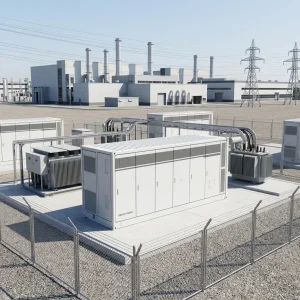
| Battery Cooling Method | Intelligent liquid cooling | Intelligent liquid cooling |
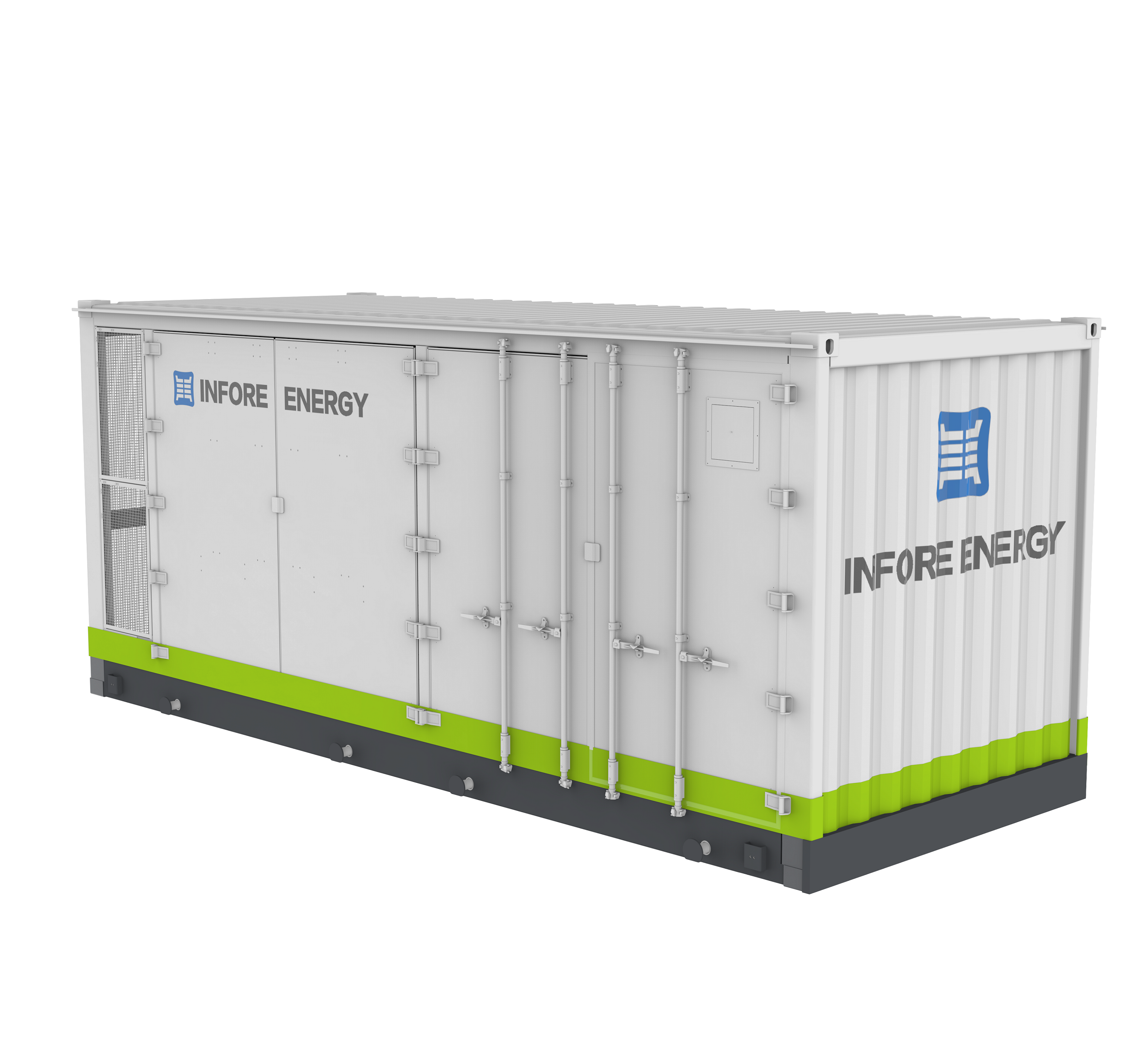
| Dimensions (L×W×H, mm) | 6170×2710×2683 | 6800×2650×2896 |
| Operating Temperature Range (℃) | -25℃~55℃ | -35℃~55℃ |
| Relative Humidity | ≤95%RH (condensation-free) | ≤95%RH (condensation-free) |
| Maximum Operating Altitude (m) | ≤4,000m (with derating >2,000m) | ≤5,000m (with derating >3,000m) |
| System Communication Interface | RS485/Ethernet | RS485/Ethernet |
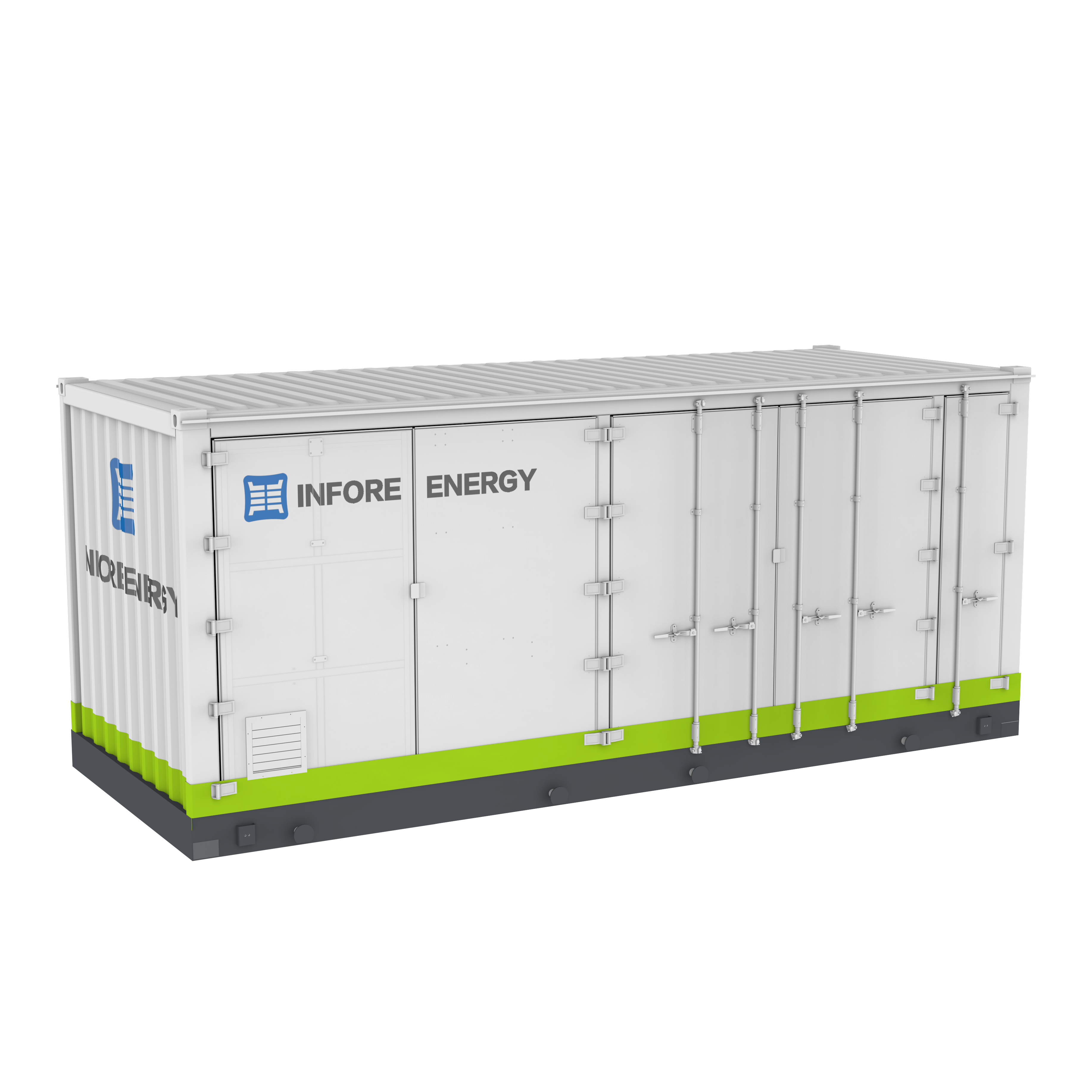
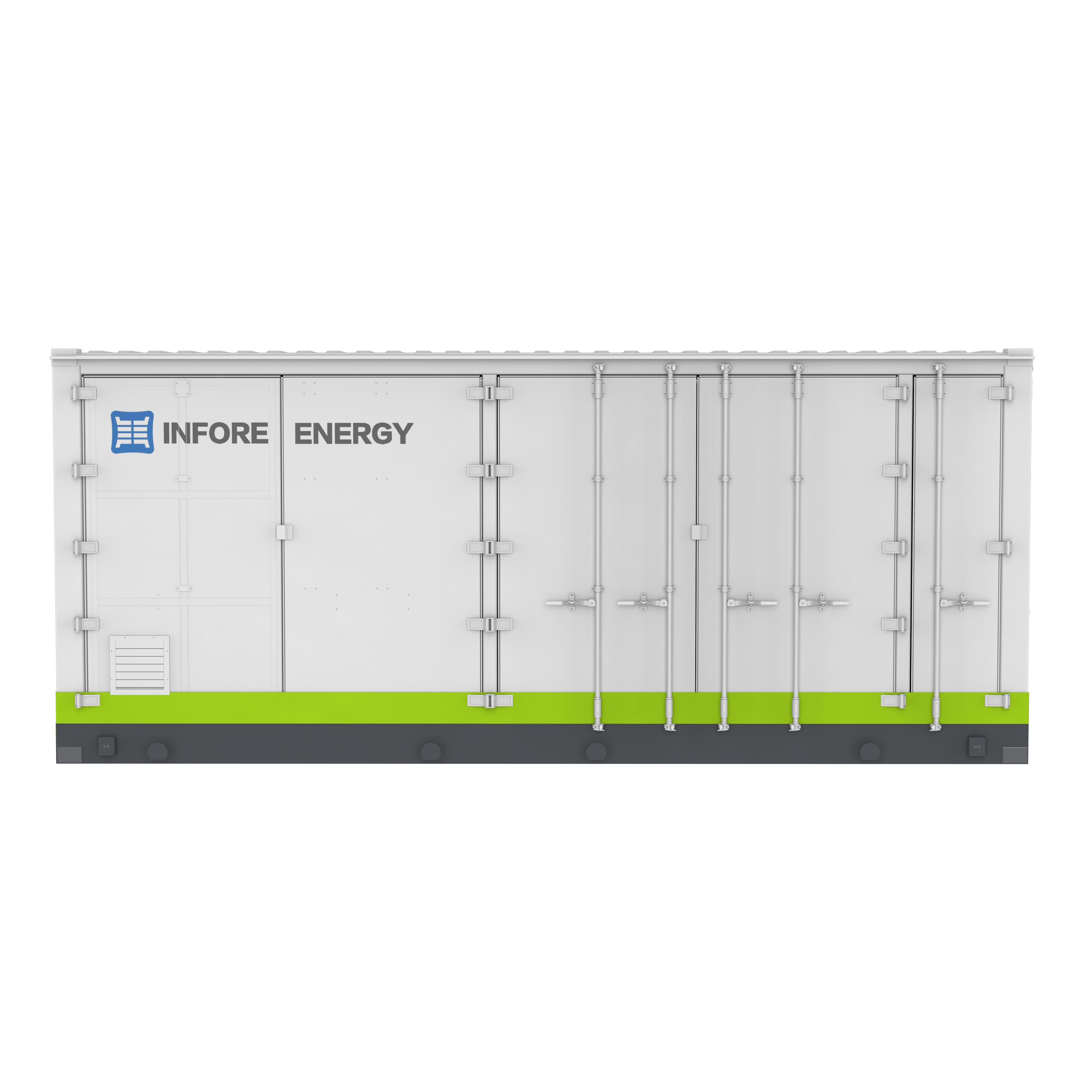
The primary difference lies in the battery cell capacity (280Ah vs 314Ah) and the total nominal energy, allowing for higher energy density in the 5MWh model within a similar footprint.
The intelligent liquid cooling system ensures uniform temperature distribution across all cells, which significantly extends battery life and maintains high performance even during high-rate discharge.
Yes, our systems are designed to operate at altitudes up to 4,000m or 5,000m. Please note that capacity derating applies when operating above 2,000m or 3,000m respectively.
The systems carry an IP55 protection rating, making them suitable for outdoor installation. They also feature a C4 corrosion resistance rating for durability in various industrial environments.
Absolutely. The highly integrated and standardized design supports whole-body hoisting and transportation, allowing for rapid deployment and easy commissioning once on site.
The systems come standard with RS485 and Ethernet interfaces, ensuring seamless integration with existing energy management systems (EMS) and remote monitoring platforms.