Pioneering clean energy components and turnkey integration platforms designed for utility and commercial scale resilience.
Why leading organizations are deploying decentralized, self-healing smart power networks.
Industrial operations require constant uptime. A solar microgrid acts as an autonomous power island during grid outages, using intelligent switchgear like mini DC circuit breakers and active load profiling to stabilize critical operations without diesel generation delay.
By monitoring tariff structures in real-time, integrated Energy Management Systems (EMS) deploy stored energy from LFP battery packs during peak billing windows. This dramatically reduces commercial and industrial demand charges and overall utility spend.
With tightening ESG disclosures and border carbon taxes, corporations are transitioning to microgrids with direct PV generation, scalable battery backup, and optional alkaline electrolyzer systems to generate zero-emission green hydrogen.
Evaluating the design characteristics of modern industrial-scale off-grid and hybrid architectures.
| System Architecture | Typical Capacity Range | Core Application | Primary Benefits | Component Integration |
|---|---|---|---|---|
| C&I Hybrid Systems | 100kW to 10MW+ | Factories, Mining, Processing Centers | Seamless Grid Integration, Load Control, Peak Shaving | Hybrid Inverters, LFP Storage, Smart EMS, AFCI Protection |
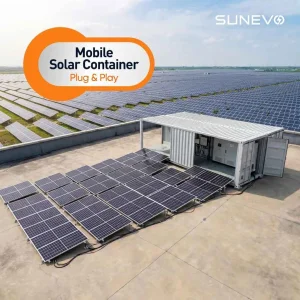
| Utility Containerized Cubes | 500kW to 5MW (Modular) | Remote Cities, Grid Edge, Peak Substations | Rapid Deployability, Weatherproof (IP54/65), ISO Standardized | Pre-wired 20ft/40ft Containers, HVAC, Fire Suppression |
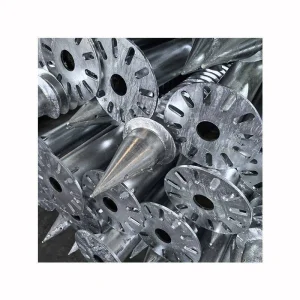
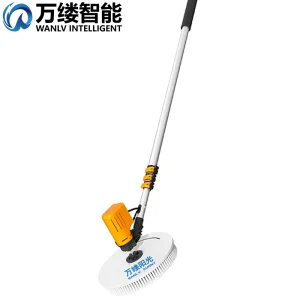
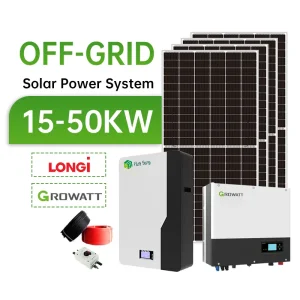
| Off-Grid Agriculture Microgrids | 20kW to 500kW | Large-scale Irrigation Farms, Remote Ranches | Stable Pump Control, Grid Independence, Low Maintenance | Ground screw anchor mounts, cleaning robots, MPPT Controllers |
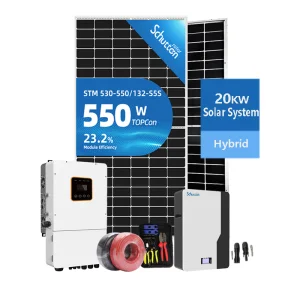
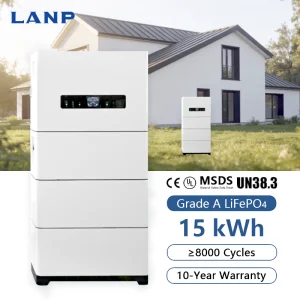
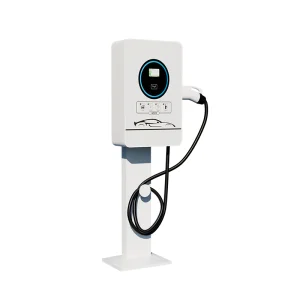
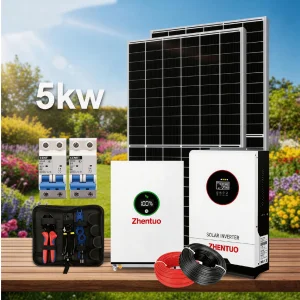
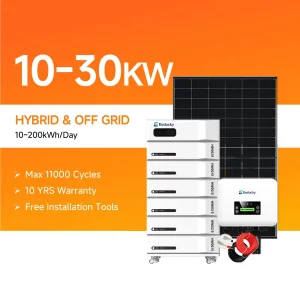
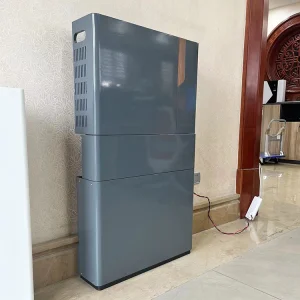
| Residential Modular Systems | 5kW to 30kW | Home Energy Resilience, Smart EV Charging | Modular Scalability, Plug-and-Play Installation | Stacked Lithium Batteries, EV Chargers, Pure Sine Inverters |
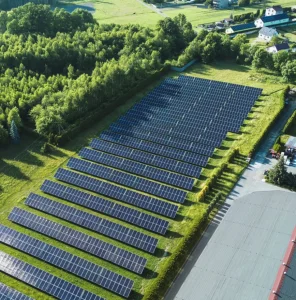
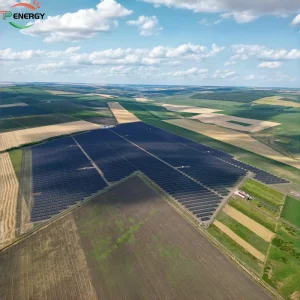
In designing large-scale hybrid setups, such as our benchmark Moldova 100MW Large-Scale C&I Hybrid Solar Energy System, engineers must synchronize PV arrays, battery storage, and local generators. This synchronization requires milliseconds-level control to manage transient voltage changes when switching from on-grid operation to islanded mode.
Leading Global Solar Power Equipment Manufacturer & Microgrid OEM/ODM Specialist.
Shanghai 3UP Energy Co., Ltd. is a professional Solar Power Equipment Manufacturer specializing in renewable energy systems, energy storage integration, and smart power solutions for residential, commercial, industrial, and utility-scale applications. Based in Shanghai, China, the company focuses on delivering advanced solar energy technologies that help customers improve energy efficiency, reduce operating costs, and accelerate the transition toward sustainable power generation.
With extensive expertise in renewable energy engineering, 3UP Energy provides comprehensive solutions covering solar power systems, energy storage integration, smart energy management, distributed energy applications, microgrid projects, backup power solutions, and clean energy infrastructure. The company serves a wide range of industries including manufacturing, commercial facilities, public infrastructure, agriculture, logistics, telecommunications, and utility energy projects.
3UP Energy is committed to innovation, system reliability, and long-term performance. Its engineering and technical teams work closely with project developers, EPC contractors, distributors, and energy service providers to design customized solutions based on specific operational requirements, environmental conditions, and energy objectives. From project planning and system design to manufacturing, testing, and technical support, the company provides end-to-end services throughout the project lifecycle.
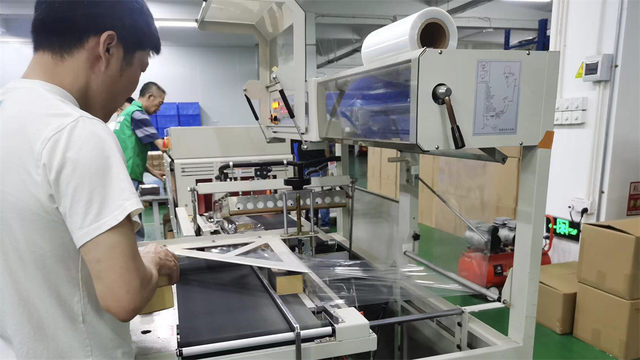
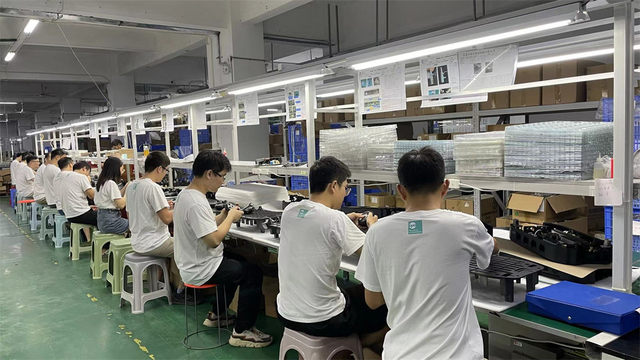
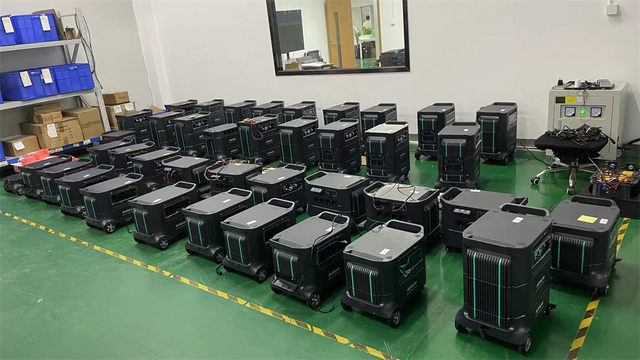
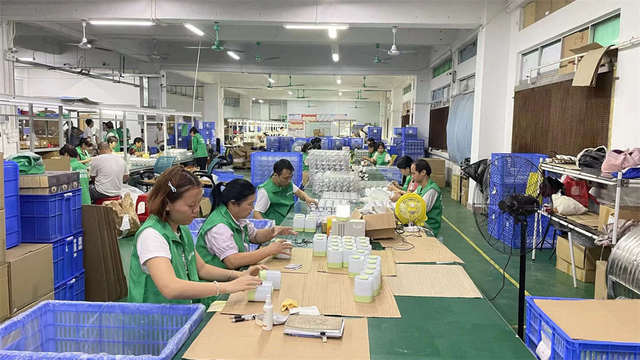
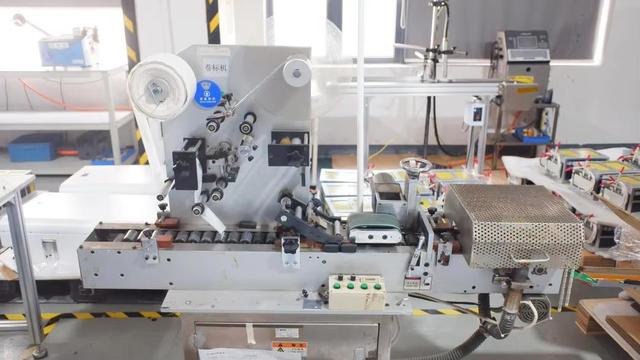
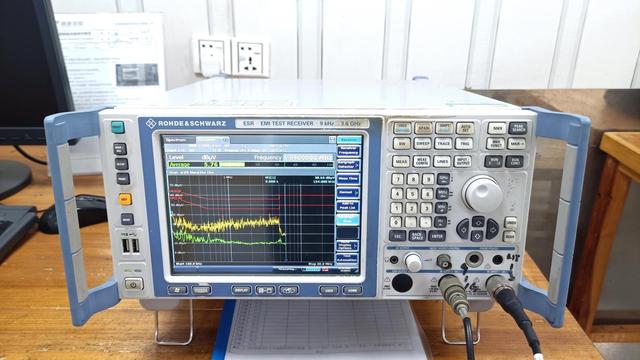
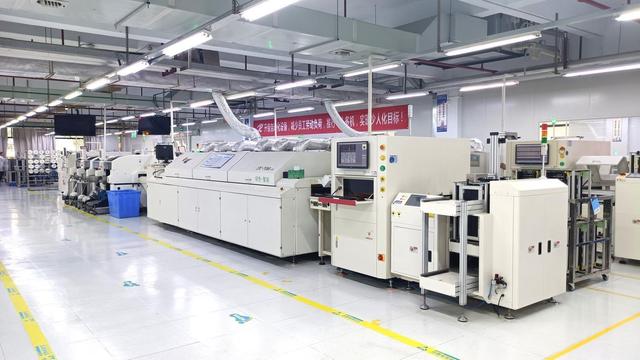
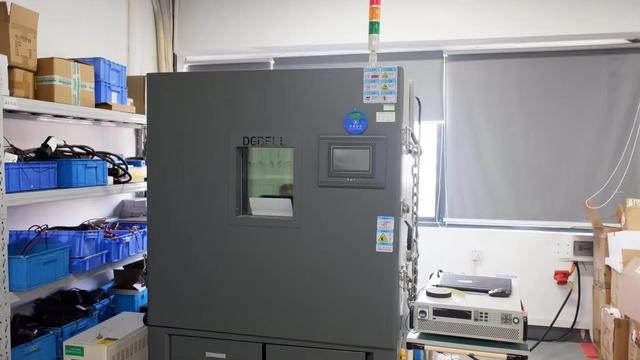
Equipped with modern production facilities and comprehensive quality management systems, the company maintains strict standards across product development and manufacturing processes. Continuous investment in research and development enables 3UP Energy to integrate intelligent control technologies, advanced monitoring platforms, and energy optimization solutions into its renewable energy systems.
Serving customers across Asia, Europe, North America, South America, the Middle East, Africa, and other international markets, Shanghai 3UP Energy Co., Ltd. is dedicated to delivering reliable solar power equipment and smart energy solutions that support clean energy adoption, enhance energy resilience, and contribute to a more sustainable and efficient global energy future.
Advancing solar systems with AI EMS, High-Density LFP, and hydrogen technologies.
Future microgrids will integrate machine learning into Energy Management Systems (EMS). Instead of relying on static rule-sets, AI-driven EMS dynamically forecasts PV generation and tariff changes by analyzing historical weather profiles and grid loads, adjusting discharge rates to maximize system-wide efficiency.
While lithium-ion batteries are ideal for short-to-medium-term dispatch (1 to 8 hours), large-scale seasonal storage requires chemical conversion. Utilizing scalable alkaline electrolyzers allows microgrids to store excess summer PV generation as hydrogen, converting it back to electricity during winter peaks.
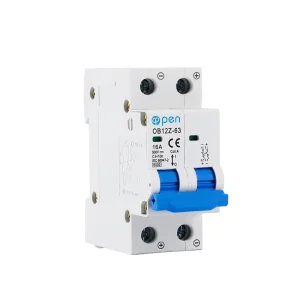
Moving from 1000V DC to 1500V DC systems reduces balance of system (BOS) cabling costs, minimizes line transmission losses, and increases the efficiency of hybrid inverters. This design requires advanced circuit protection, including highly reliable, fast-tripping 2P miniature circuit breakers (MCBs).
Ensuring safety, reliability, and grid compliance across international markets.
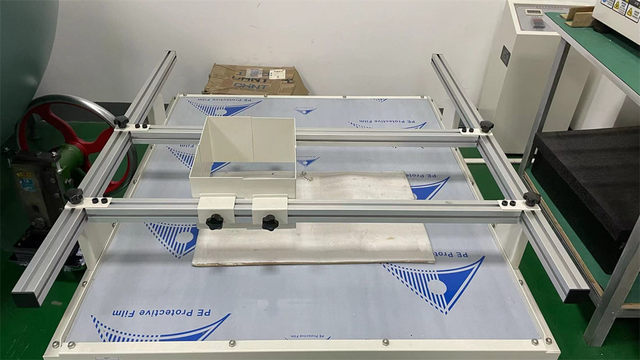
Every microgrid solution manufactured by Shanghai 3UP Energy Co., Ltd. complies with safety standards tailored to the region of installation. Our products carry international certifications such as CE, TUV, and ISO. For containment configurations, our 20ft and 40ft power cubes pass drop-testing, thermal cycling, and wind load tests to guarantee performance in harsh desert, coastal, or arctic environments.
We work closely with local installers to ensure compliance with grid codes like IEEE 1547 (USA) and EN 50549 (Europe), allowing for smooth commissioning and quick grid interconnection approvals.
For custom engineering projects, our workflow is structured to minimize risk and accelerate deployment:
Clear, technical answers to common microgrid design and procurement questions.
Heavy-duty mounting systems, containerized stations, and smart grid components for industrial projects.
 3UP Energy