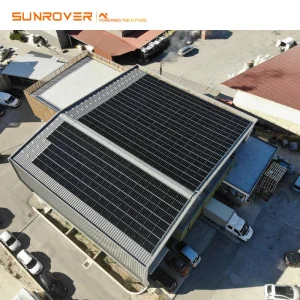
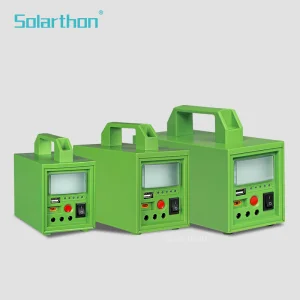
High-efficiency components tailored to secure power predictability under Denmark’s strict climate rules.
Denmark has set a highly ambitious goal of achieving 100% green power by 2030 and a net-zero climate impact by 2050. This radical transformation demands more than just offshore wind farms—it relies heavily on the distribution of decentralized Commercial and Industrial (C&I) solar power systems.
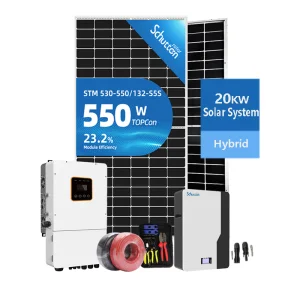
Danish enterprises, located in major commercial corridors from Copenhagen to Aarhus and Odense, are navigating high-volatility spot energy rates on the Nord Pool exchange. To insulate their operations from price spikes, modern commercial facilities are shifting from simple grid-tied photovoltaic (PV) generation to integrated Solar-Plus-Storage architectures.
Local installation codes managed by the Danish Energy Agency (Energistyrelsen) and transmission constraints set by Energinet necessitate strict grid-interconnection standards. In Denmark, C&I developers must integrate intelligent hardware that complies fully with European RfG (Requirements for Generators) standards, making high-quality inverters and battery systems critical components for project approvals.
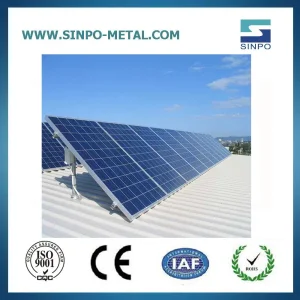
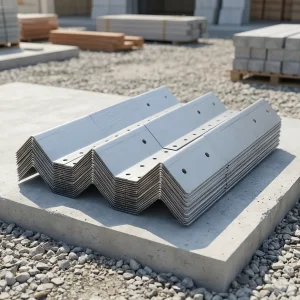
Denmark's unique geography presents distinct challenges for traditional solar installations. With its high latitude, the country experiences extremely low sun angles during winter (often under 15 degrees) and high winds along the North Sea coasts of Jutland. This makes high-strength racking and specialized vertical PV structures essential.
The global commercial solar sector has evolved beyond simple energy offset. Today's commercial solar projects act as smart distributed power stations. Key technological innovations driving the market include:
For international procurement managers, purchasing solar equipment from overseas factories involves strict compliance and reliability vetting. To satisfy finance and engineering departments, developers prioritize several key metrics:
Bankability & Class Certifications: Solar components must carry recognized third-party test certifications (TUV, CE, IEC, ISO9001). This ensures that commercial installations qualify for bank loans and local utility approval.
Levelized Cost of Energy (LCOE) Focus: Buying solely on low initial CAPEX often leads to higher OPEX due to premature inverter failures or battery degradation. Forward-looking buyers analyze the system's lifetime energy output against total maintenance costs, prioritizing tier-1 build quality.
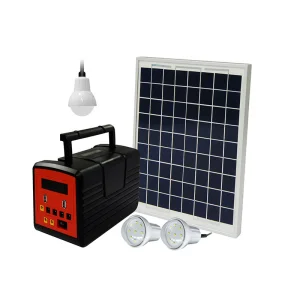
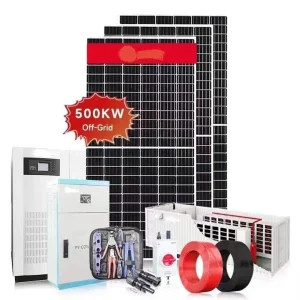
Decentralized off-grid configurations engineered to provide dependable power and localized energy security.
Shanghai 3UP Energy Co., Ltd. is a specialized Solar Power Equipment Manufacturer focused on integrating renewable energy systems, advanced energy storage, and smart power networks for commercial and utility-scale projects.
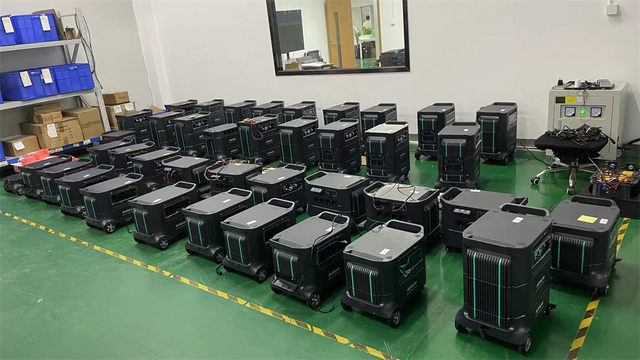
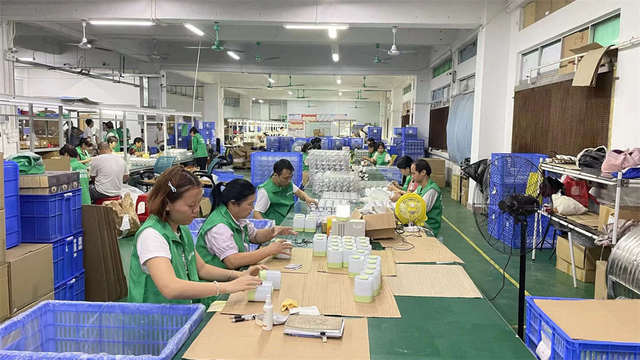
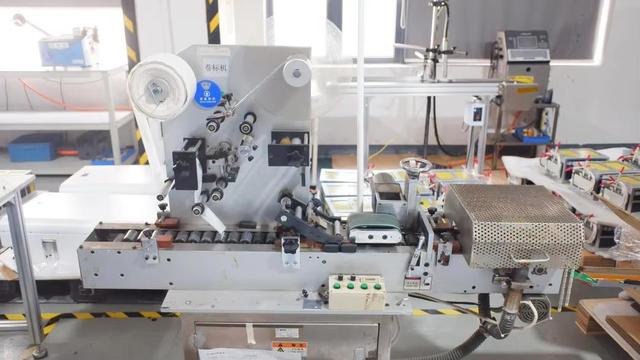
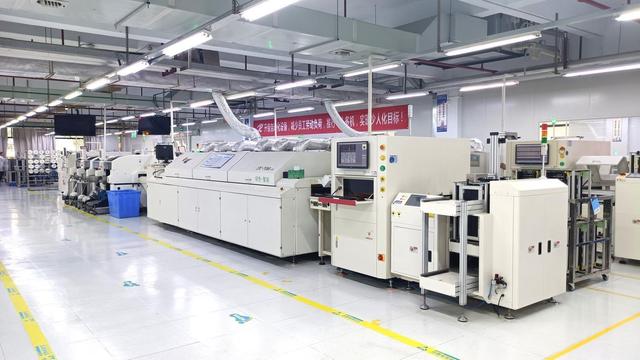
By leveraging China's advanced Industry 4.0 manufacturing ecosystem, 3UP Energy maintains a highly resilient supply chain that ensures price stability and short lead times. Our automated assembly plants integrate advanced robotics and precision testing to deliver high-quality solar power equipment at competitive price points.
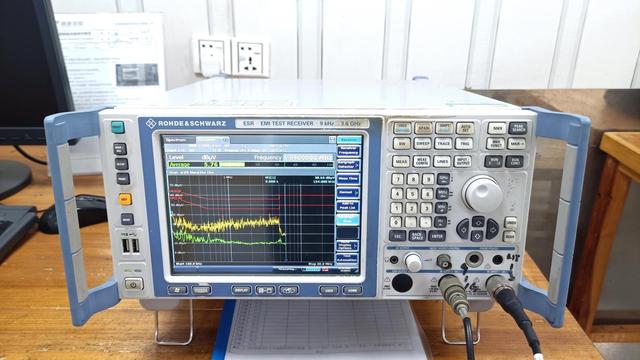
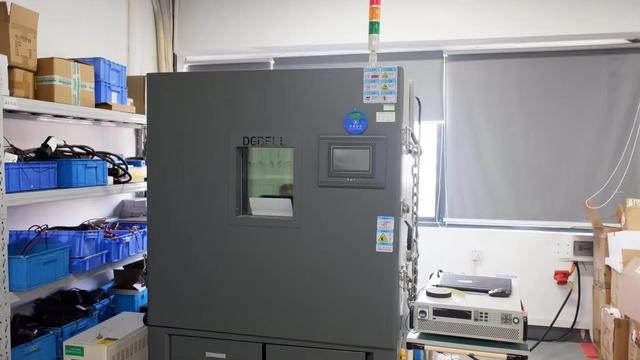
We perform rigorous thermal cycling, insulation resistance tests, and capacity verification on every product. Our components are built using premium tier-1 silicon cells and automotive-grade LiFePO4 cells to ensure reliable long-term performance under demanding environmental conditions.
With years of export experience to European, North American, and Asian markets, we manage all international shipping logistics, customs clearances, and technical approvals. We provide EPC contractors and project developers in Denmark with robust, certified solar energy systems ready for direct site deployment.
A transparent look at our advanced manufacturing lines, quality control labs, and logistics centers that support our international clients:
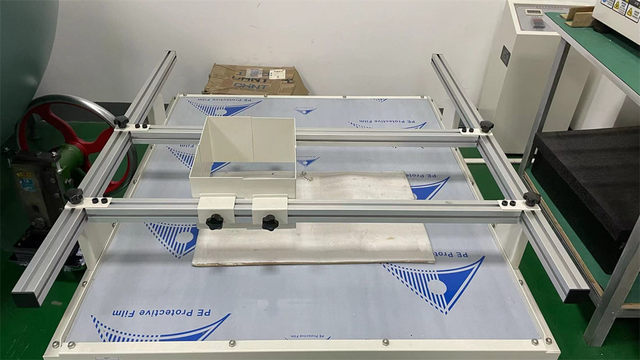
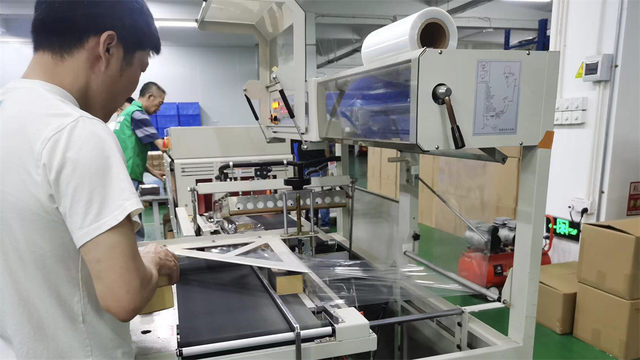
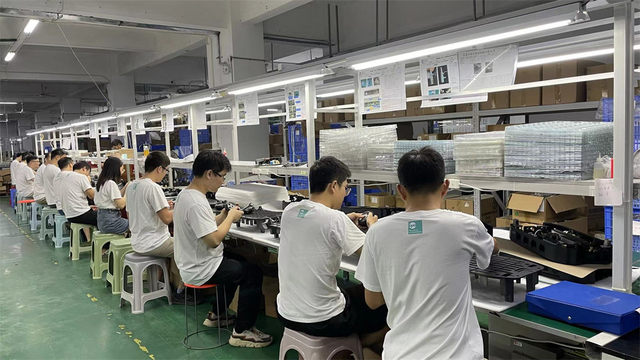
We configure our systems to address Denmark's specific environmental conditions and commercial land-use restrictions.
Danish farming operations (especially across Jutland and Funen) require continuous energy to run ventilation, feed distribution, and climate controls. Our on-grid solar systems for poultry and layer farms allow agricultural businesses to offset high electricity tariffs by generating power directly on barn roofs and coupling it with containerized batteries to support night operations.
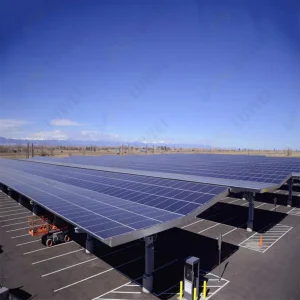
With space constraints in municipal areas like Copenhagen, logistics centers and retail parks utilize their outdoor parking lots to generate clean energy. Building 1MW+ solar carports provides vehicles with weather protection while generating high-density solar electricity to power local offices and EV charging networks.
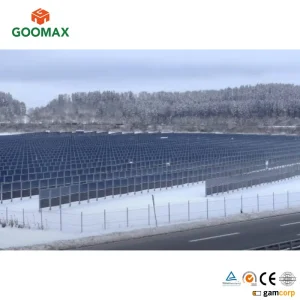
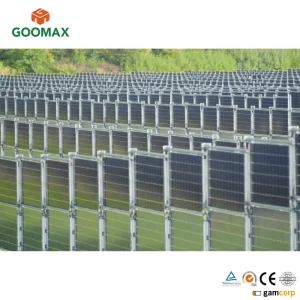
In high-latitude regions, traditional flat panels lose efficiency during the winter months when the sun stays close to the horizon. Vertically mounted solar systems solve this by capturing low-angle sunlight and utilizing the albedo effect of surrounding snow. Vertical installations also prevent snow accumulation on panels, maintaining generation efficiency throughout the winter.
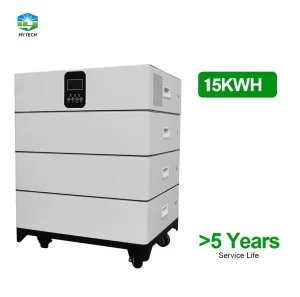
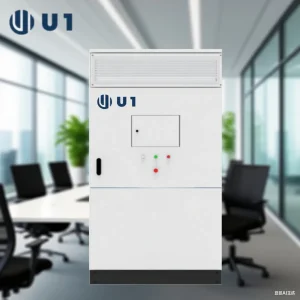
Under Denmark's net-billing regulations, property owners face challenges allocating solar energy benefits among different tenants. A centralized 15kWh scalable battery energy storage system (BESS) allows landlords to store day-time solar generation and distribute it during evening hours, maximizing the property's financial returns.
Common questions from project developers and engineers planning solar installations in Denmark.
High-capacity systems engineered to support commercial, residential, and industrial deployments across Denmark.
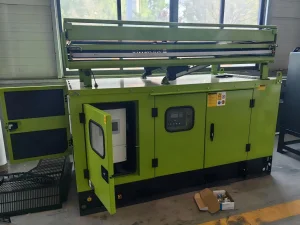
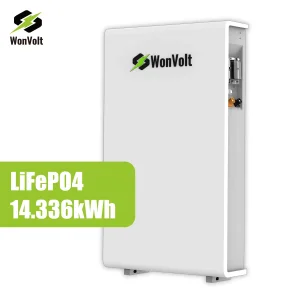
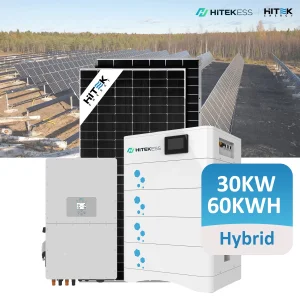
Whether you need wind-resilient racking, low-temperature LiFePO4 batteries, or smart microgrid controllers that comply with Denmark's RfG grid codes, our engineering team is here to help.
Send Inquiry Now 3UP Energy