As the industrial epicenter of Japan, Nagoya and the Aichi Prefecture represent a unique nexus of high-tech manufacturing and progressive energy policy. Known worldwide as the "Toyota City" hub, Nagoya's industrial landscape is rapidly shifting toward Net Zero Emissions. The residential sector is following suit, driven by the Tokyo Metropolitan Government and local Aichi initiatives that mandate solar readiness for new constructions.
For a factory and exporter targeting the Nagoya market, understanding the local JIS (Japanese Industrial Standards) and METI (Ministry of Economy, Trade and Industry) certifications is paramount. Nagoya's climate—characterized by humid summers and the potential for seismic activity—requires solar infrastructure that is not only efficient but exceptionally resilient. Our systems are engineered to meet these rigorous Japanese safety standards, ensuring long-term reliability in the face of natural challenges.
The global residential solar market is undergoing a fundamental transformation. Historically, Feed-in Tariffs (FiT) incentivized homeowners to sell energy back to the grid. Today, the trend has shifted toward maximizing self-consumption. As utility rates rise globally, particularly in energy-sensitive regions like Japan and the EU, the ROI of a solar energy system is now dictated by its storage capacity and smart management capabilities.
Key global drivers include:
Shanghai 3UP Energy Co., Ltd. is not just a manufacturer; we are an R&D powerhouse. Our 2025-2030 roadmap focuses on three pillars of innovation:
1. Solid-State Energy Storage: While LiFePO4 is current, we are investing in solid-state electrolytes to further increase energy density and eliminate fire risks, a critical requirement for high-density Nagoya urban environments.
2. Perovskite Solar Cells: We are transitioning our production lines to support tandem silicon-perovskite modules, aiming for commercial efficiencies exceeding 30%.
3. Virtual Power Plants (VPP): Our smart gateways are designed to allow Nagoya residents to participate in VPP programs, aggregating residential storage to stabilize the regional grid during peak demand.
Shanghai 3UP Energy Co., Ltd. is a professional Solar Power Equipment Manufacturer specializing in renewable energy systems, energy storage integration, and smart power solutions for residential, commercial, industrial, and utility-scale applications. Based in Shanghai, China, the company focuses on delivering advanced solar energy technologies that help customers improve energy efficiency, reduce operating costs, and accelerate the transition toward sustainable power generation.
With extensive expertise in renewable energy engineering, 3UP Energy provides comprehensive solutions covering solar power systems, energy storage integration, smart energy management, distributed energy applications, microgrid projects, backup power solutions, and clean energy infrastructure. The company serves a wide range of industries including manufacturing, commercial facilities, public infrastructure, agriculture, logistics, telecommunications, and utility energy projects.
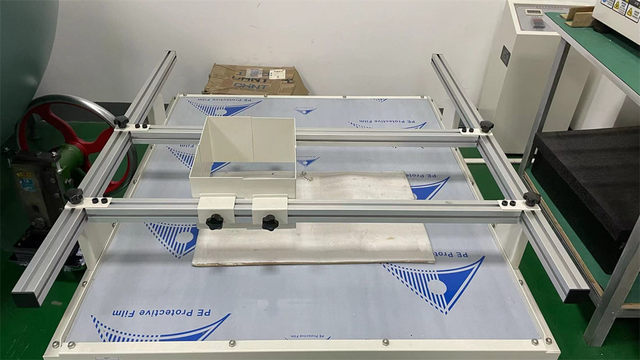
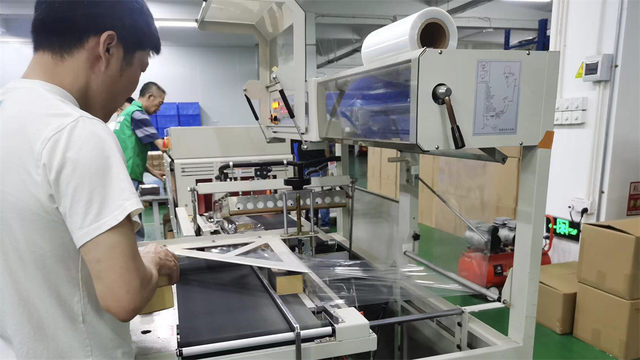
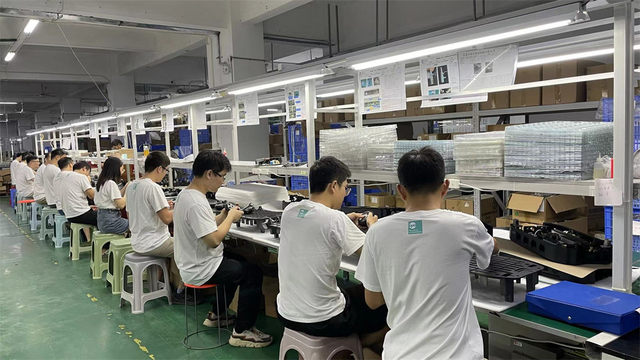
Equipped with modern production facilities and comprehensive quality management systems, the company maintains strict standards across product development and manufacturing processes. Continuous investment in research and development enables 3UP Energy to integrate intelligent control technologies, advanced monitoring platforms, and energy optimization solutions into its renewable energy systems.
A: Shanghai 3UP Energy combines China's world-leading solar supply chain efficiency with strict adherence to Japanese JIS standards. We offer significant cost advantages without compromising the high-quality benchmarks required by the Nagoya industrial sector.
A: Yes, our storage systems utilize LiFePO4 chemistry and come with certifications such as PSE, UN38.3, and UL standards, ensuring safe residential and commercial installation within Japan.
A: Given Nagoya's average solar radiation and current utility pricing, most residential systems achieve ROI within 5 to 7 years, significantly faster when utilizing local Aichi prefecture subsidies.
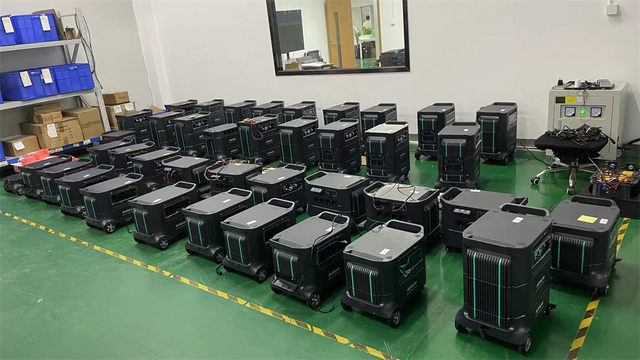
The transition to Residential Solar Energy Systems in major cities like Nagoya is more than an individual financial decision; it is a critical component of national energy security. Japan's reliance on imported LNG and coal makes its power grid vulnerable to global price shocks. By exporting high-efficiency monocrystalline systems to the Nagoya port, we help decentralize the power supply, reducing the strain on the national grid during Japan’s intense summer heatwaves.
Our ESG (Environmental, Social, and Governance) commitments ensure that every panel exported to Nagoya has a documented carbon footprint and is designed for eventual recycling. We are currently working with local Japanese partners to establish a circular economy for end-of-life battery recycling, ensuring that the green energy revolution remains truly sustainable from cradle to grave.
 3UP Energy