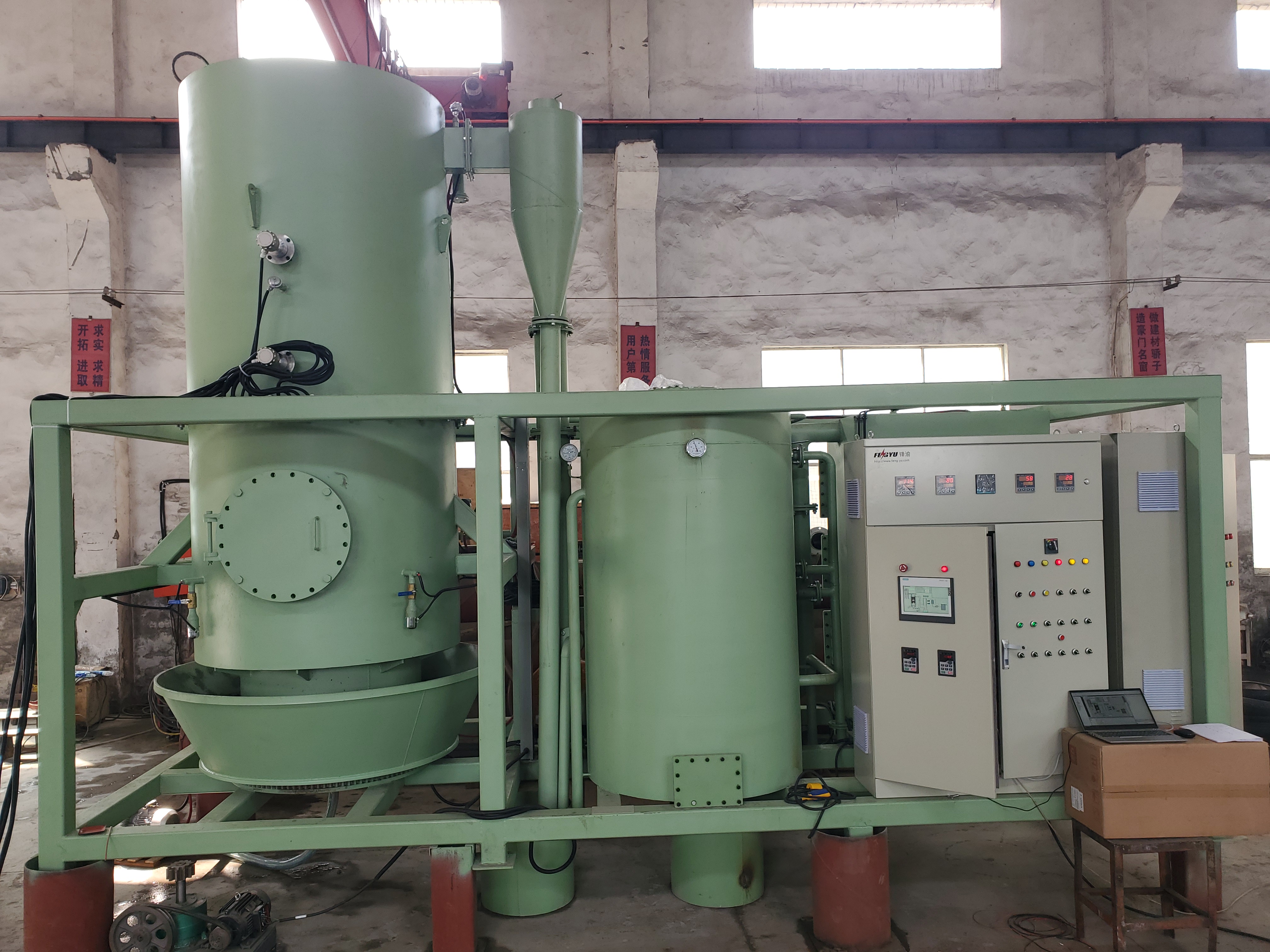
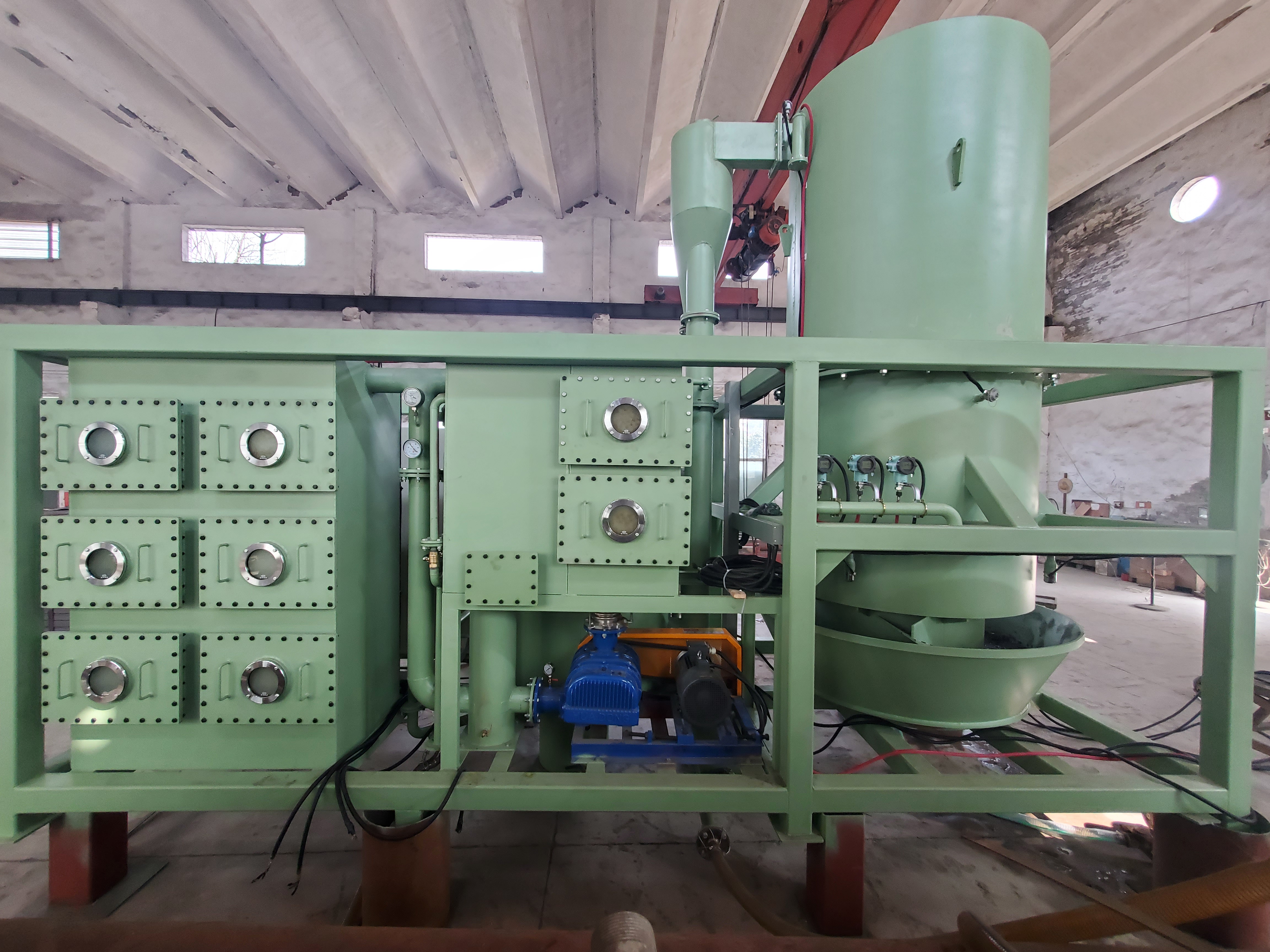
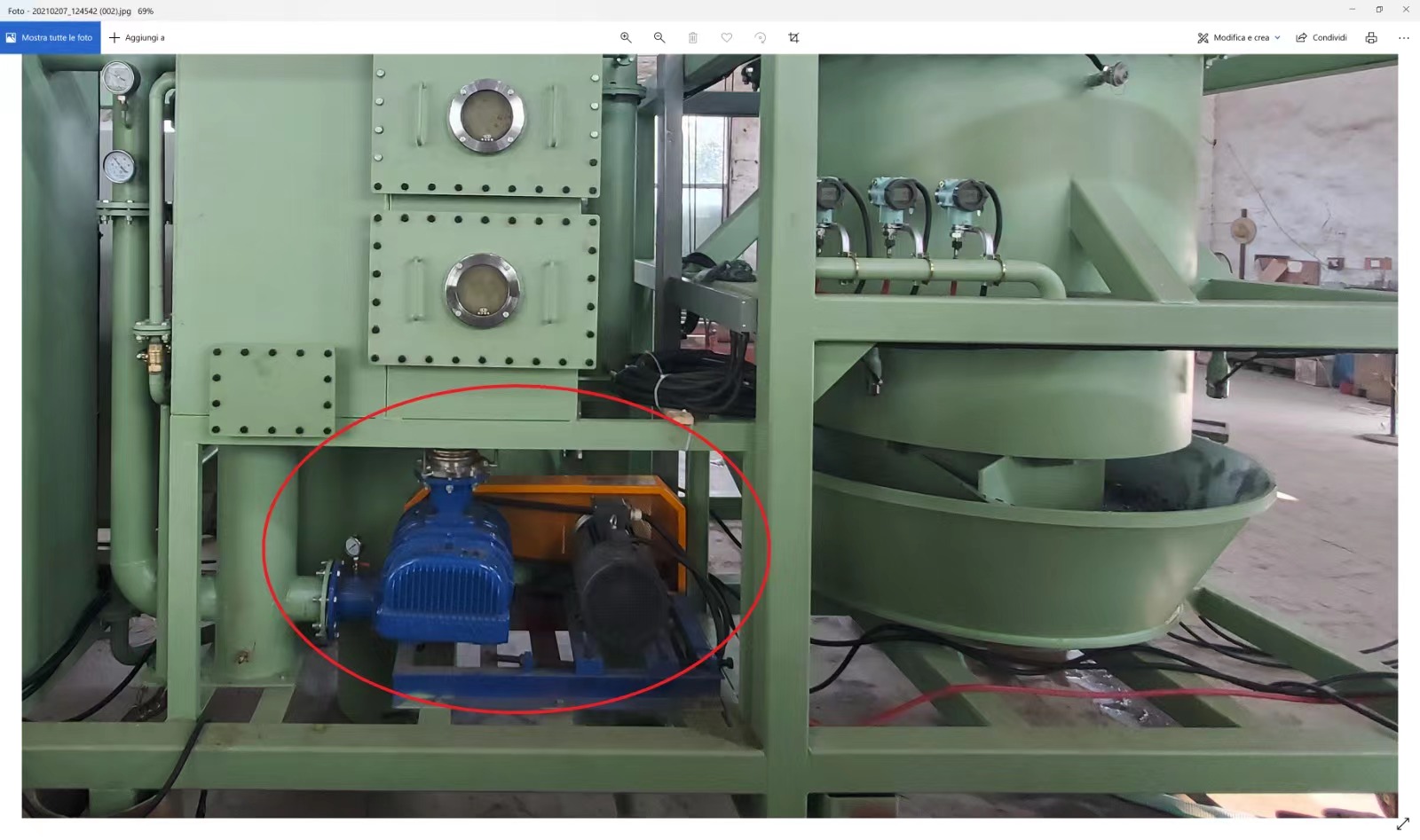
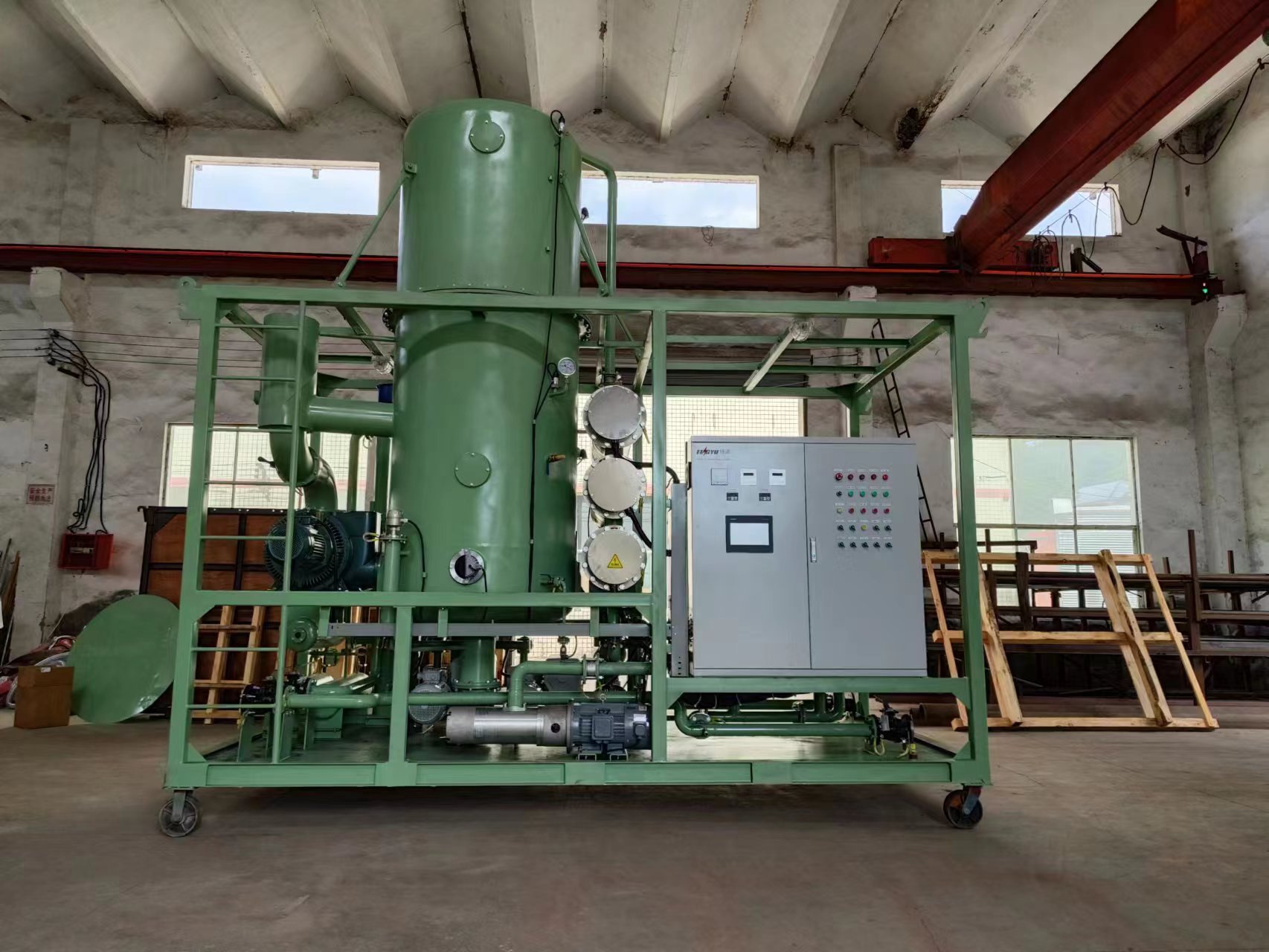
As a leader in biomass gasifier equipment manufacturing with a history of 30 years in the electric power industry, our company has specialized in the design and manufacture of Biomass Gasification Power Generation Equipment since early 2000. We have successfully completed numerous projects in the Philippines, Thailand, Indonesia, South Africa, Kenya, Bulgaria, Slovakia, Italy, Romania, and Croatia, most of which have been in continuous, smooth operation for over two years.
Main Biomass Fuels: Agriculture and forest waste such as rice husk, wood chip, sawdust, straw, crop stalks, coconut shell/husk/fiber, and MSW/RDF.
Specifications: Feedstock diameter should be less than 10 mm (thickness), and water content (moisture) less than 15%. Our new updraft fixed bed gasifier design can accept larger sizes and higher moisture levels.
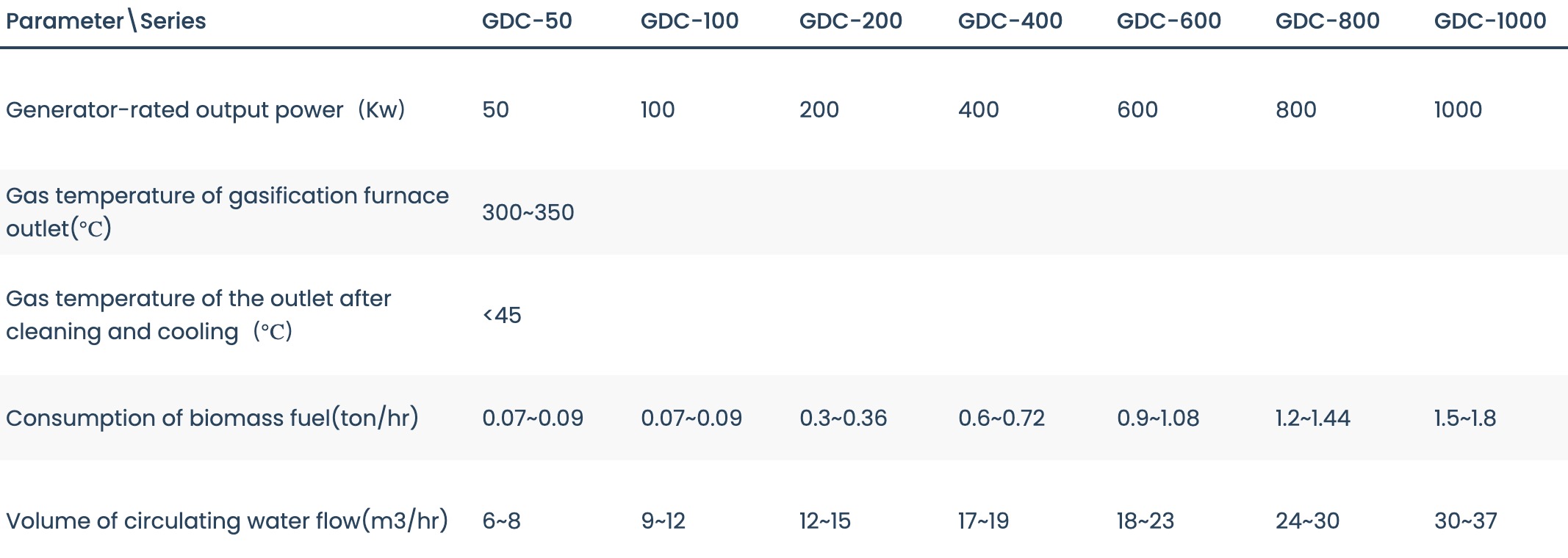
Capacity: Projects range from 50KW to 15MW.
Youtube address: //www.youtube.com/watch?v=sh1vHclUZa0
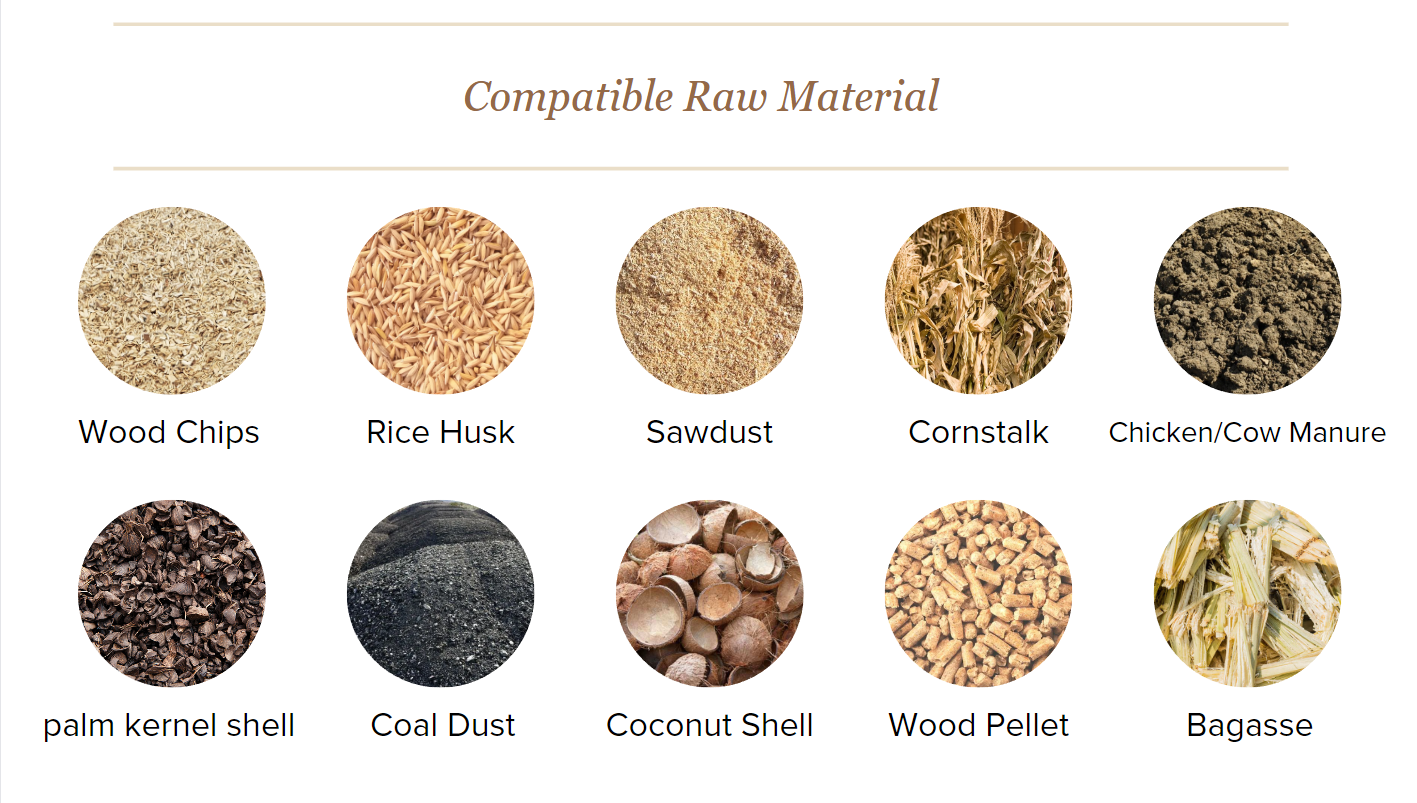
🍃 COMPATIBLE FEEDSTOCK
Our gasifier is capable of processing a wide variety of biomass, including wood, wood chips, corn cobs, corn stalks, wheat straw, rice husks, peanut shells, nut shells (such as walnut, macadamia, pistachio, coconut, hazelnut, and chestnut), as well as discarded cardboard boxes and other agricultural biomass materials.
Note: Our compatible feedstock extends beyond the listed items.
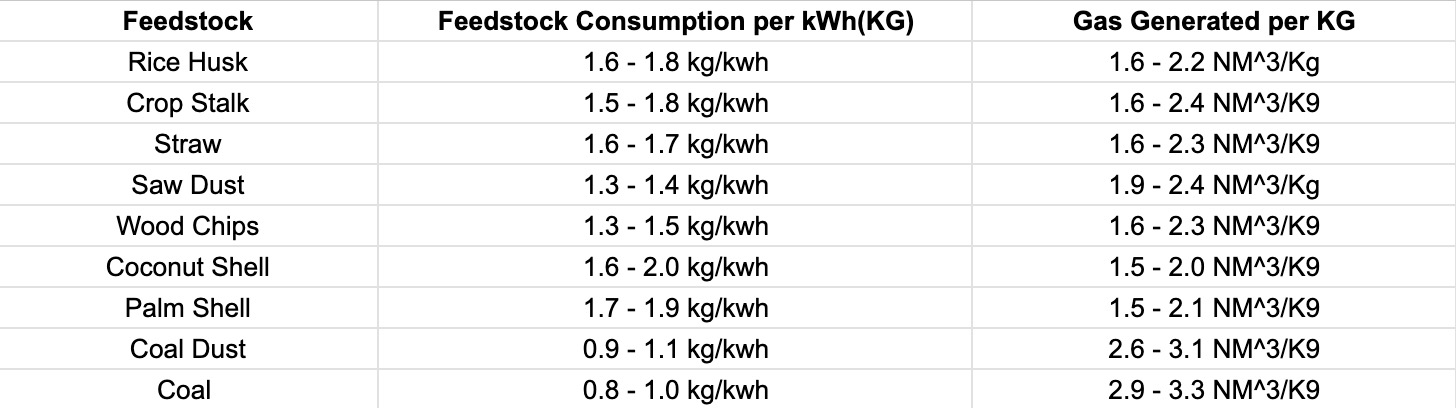
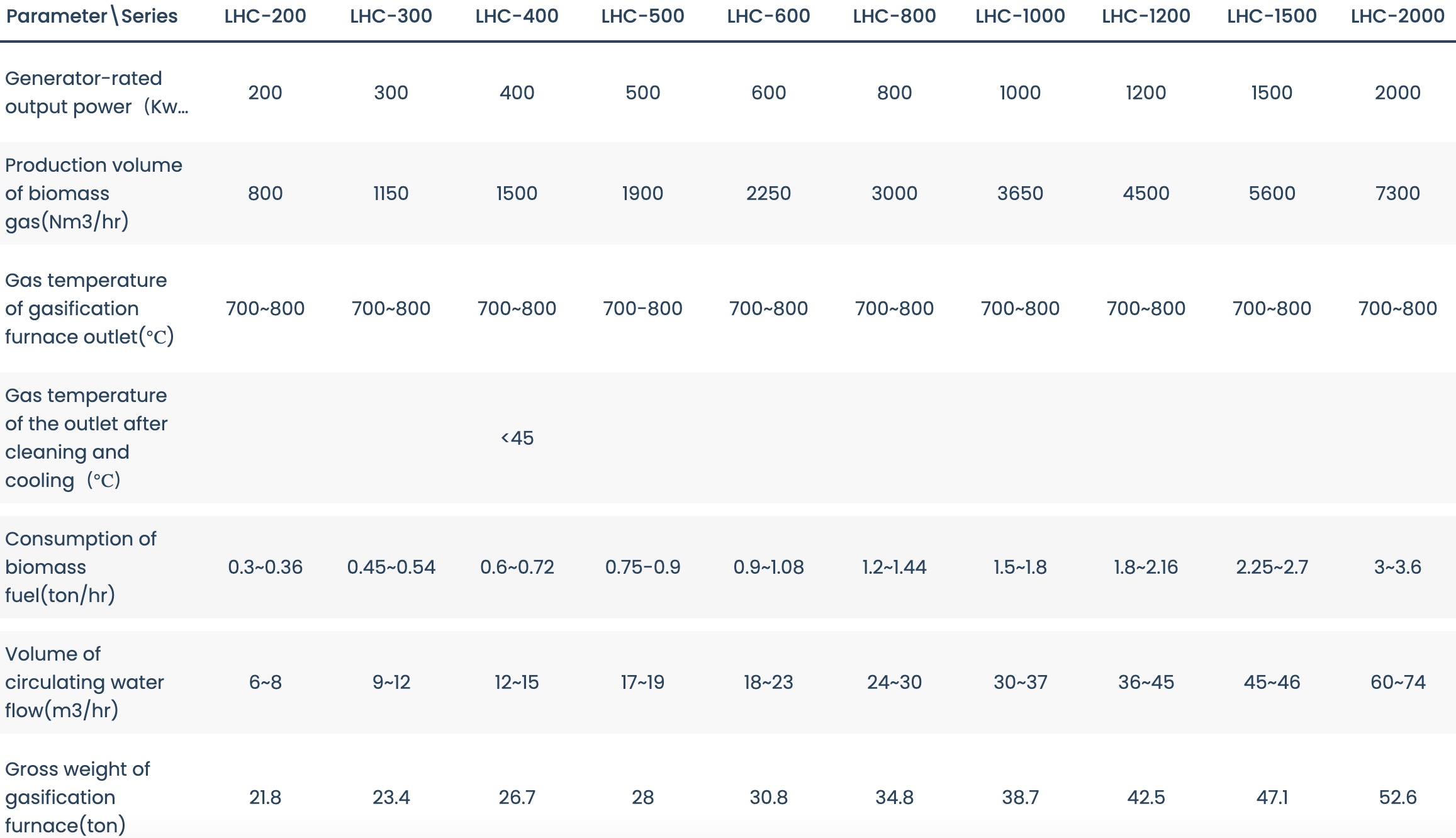
📊 FEEDSTOCK CONSUMPTION RATE
- Consumption rates may fluctuate based on moisture levels and biomass variations.
- Data provided pertains to fluid bed gasifying furnaces; fixed bed consumption may be higher.
- Performance data is based on our specific engine models.
🔥 SYNGAS COMPOSITION
Normally, after our gasification process, the calorific value is more than 5.83 MJ/Nm³, and the tar and dust levels are less than 23 mg/Nm³, with a treated temperature lower than 45 degrees Celsius.
⚙️ GASIFICATION SYSTEMS
FIXED BED GASIFICATION SYSTEM
FLUIDIZED BED GASIFICATION SYSTEM
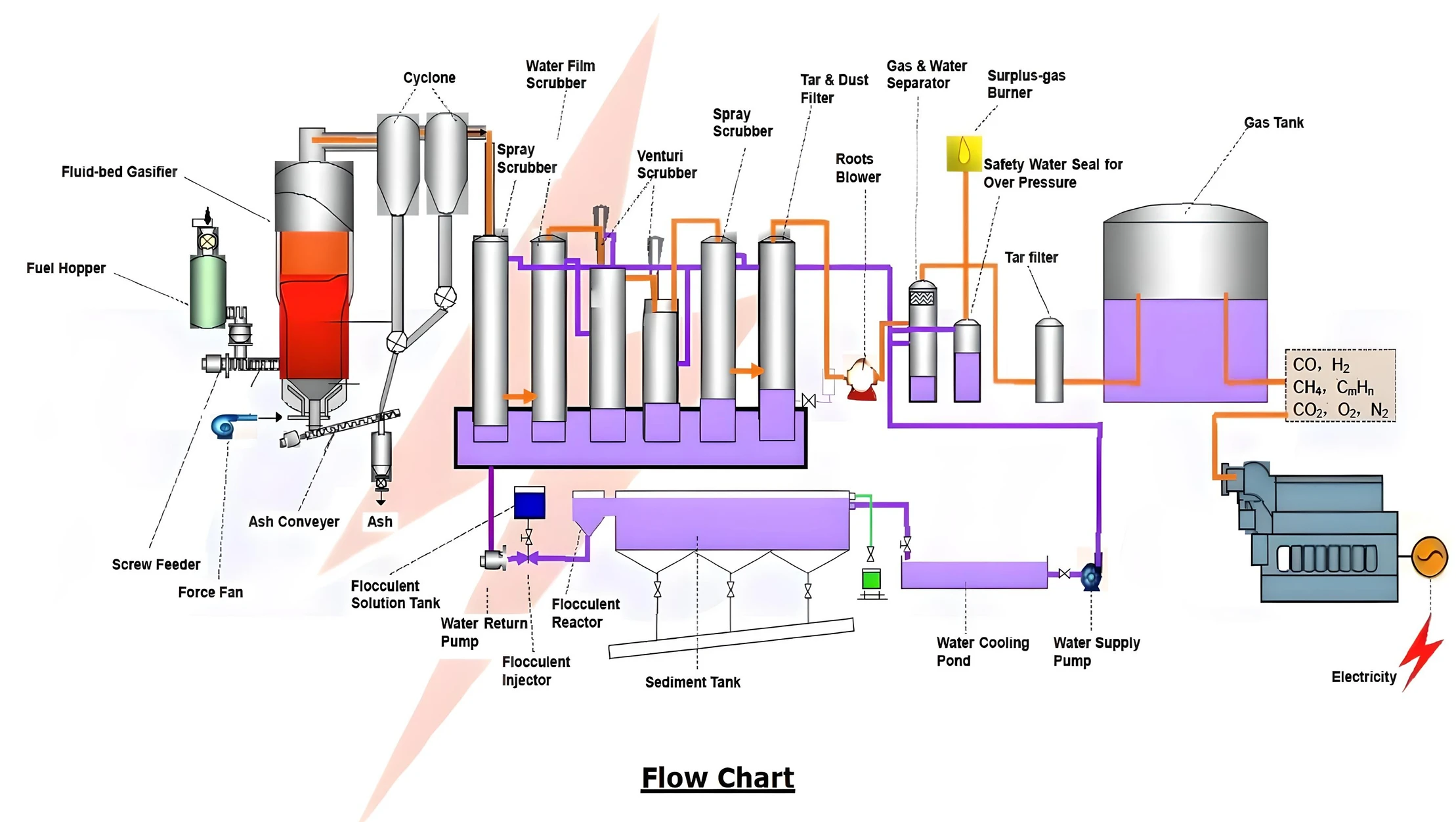
The fluidized bed system is ideal for large-scale applications (200KW to 2MW). It offers high stability, high gas heating value, and superior efficiency for continuous 24-hour operation.
🧼 CLEANING & COOLING SYSTEM
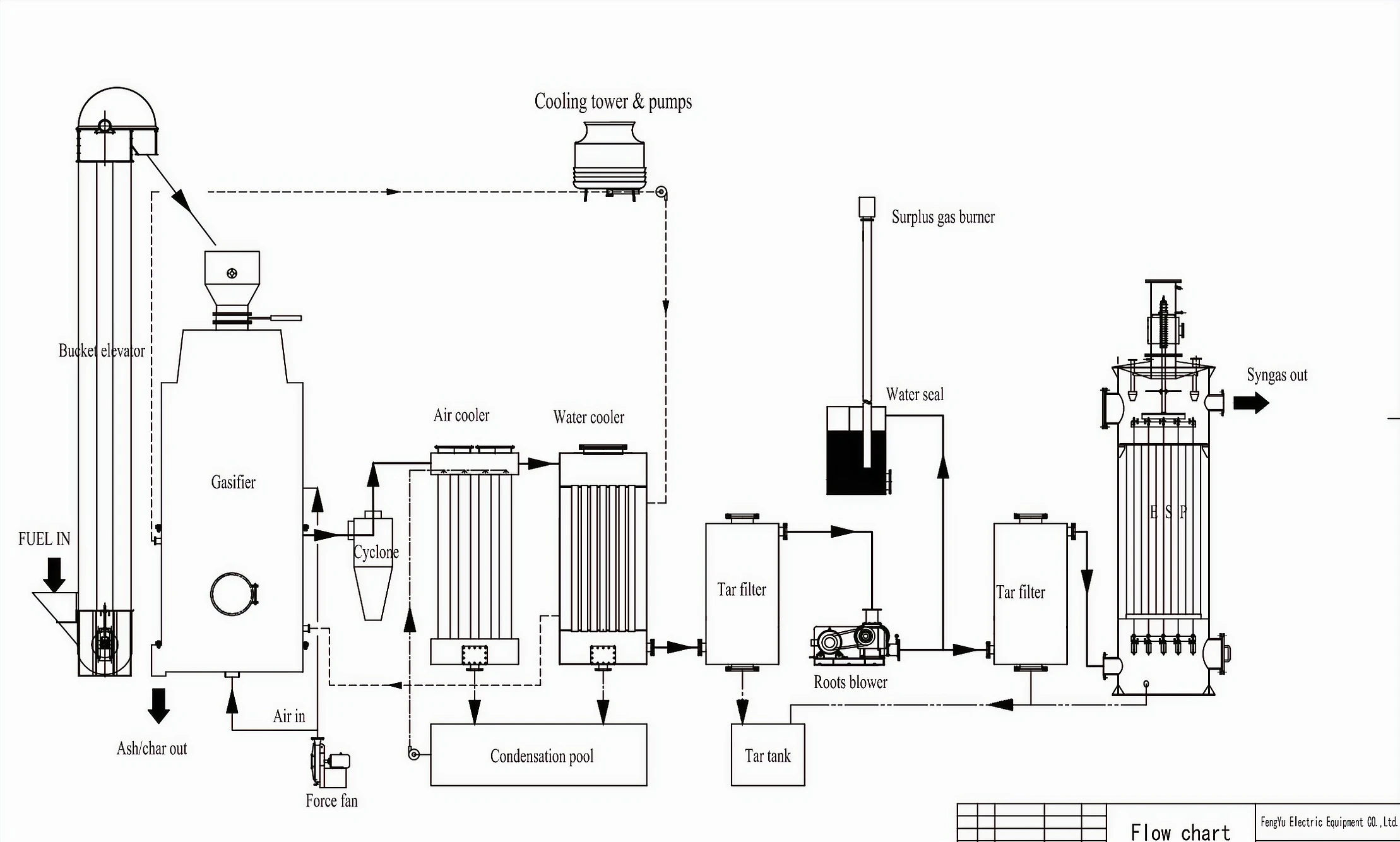
Ash Removal: Dry Type (screw-conveyor collection & discharge).
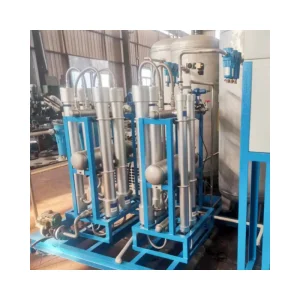
Gas Purification: We utilize a wet purification system for its continuous operation capability and stability. Tar is precipitated into a washing solution for easy recovery, avoiding the maintenance challenges of dry systems.
Our system employs stringent cooling measures: three dry particle separators, six washings, one water-gas separator, two filters, and one electrostatic precipitator to ensure premium gas quality.
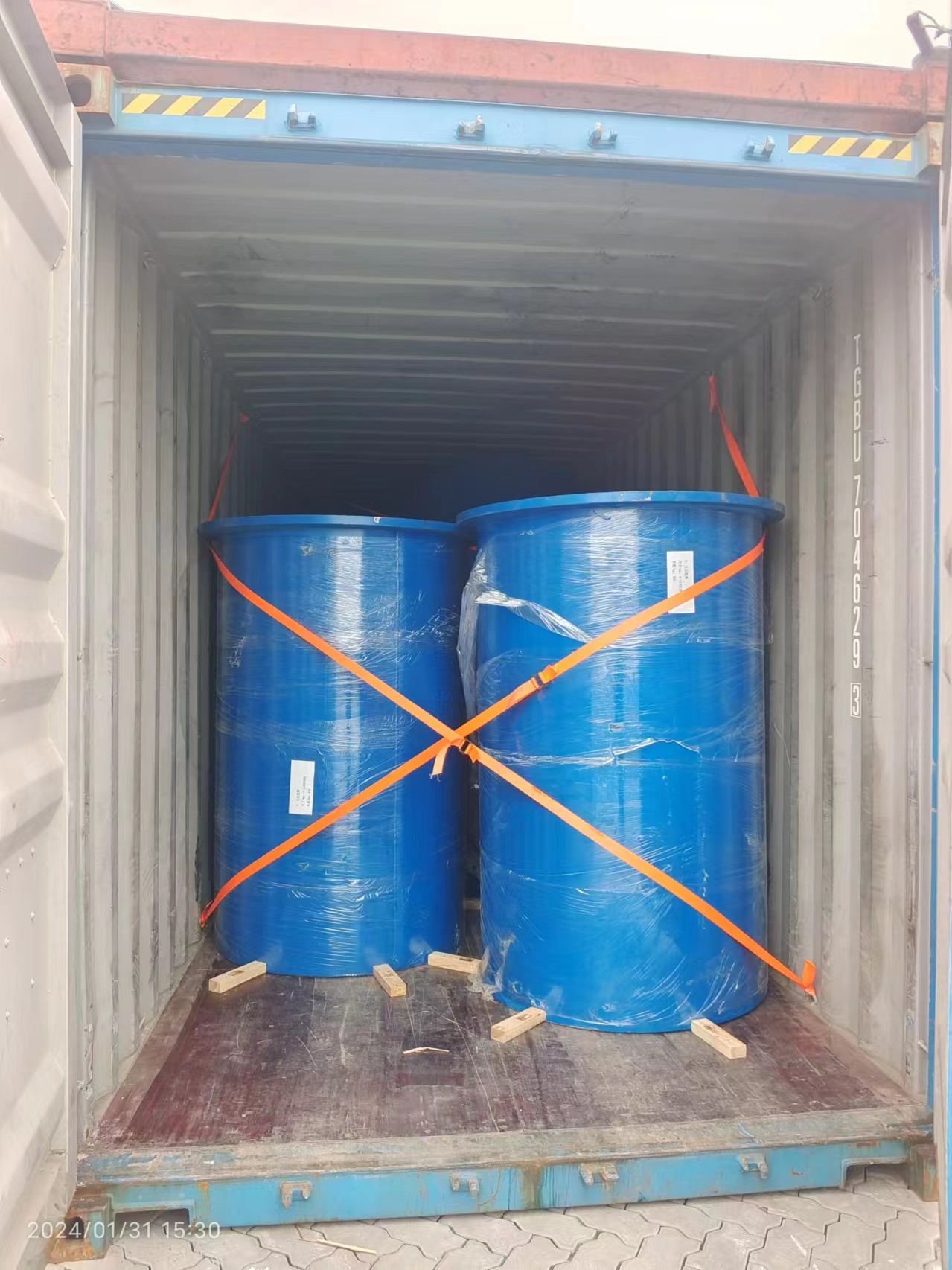
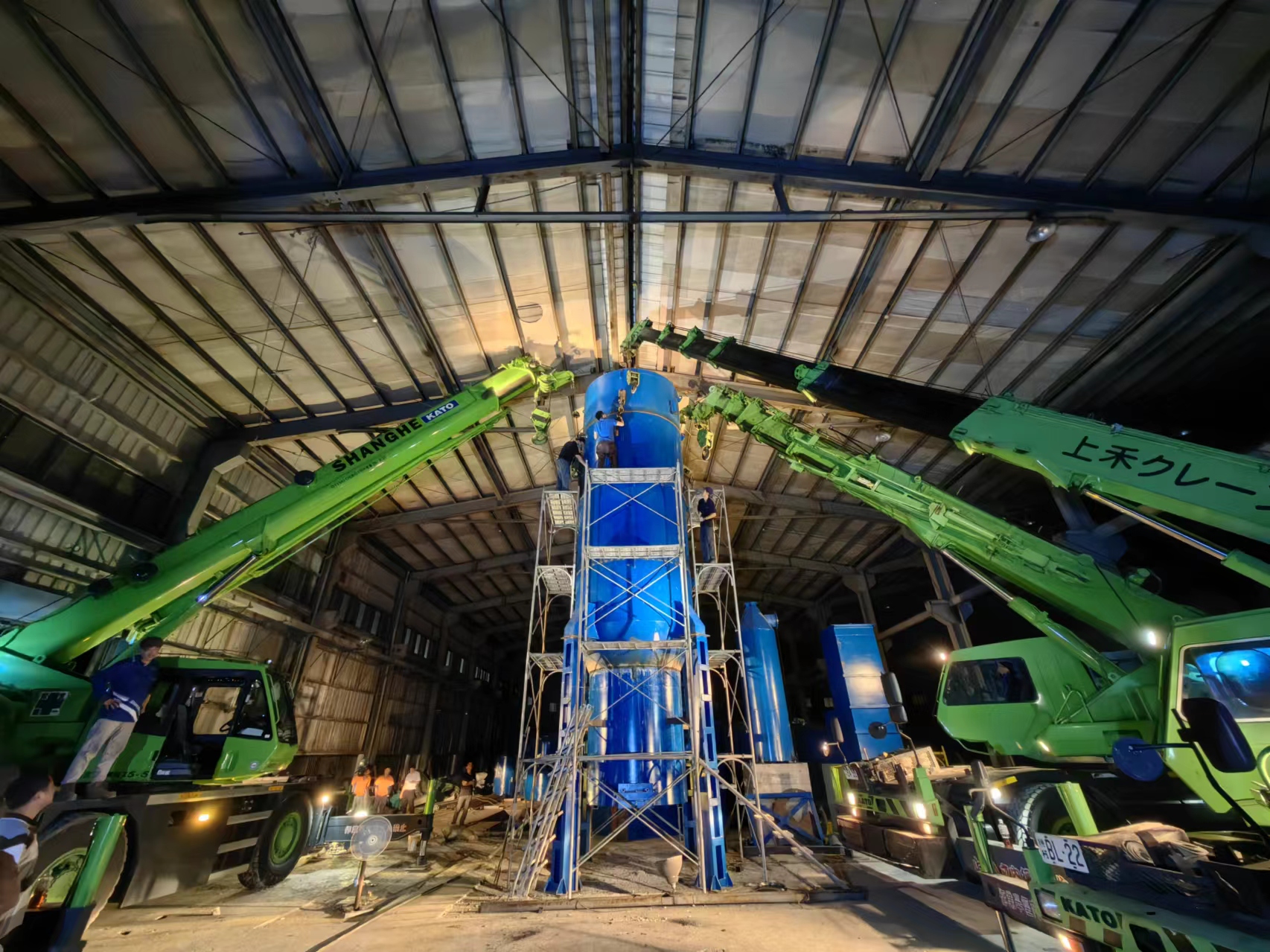
🏗️ TRANSPORTATION & INSTALLATION
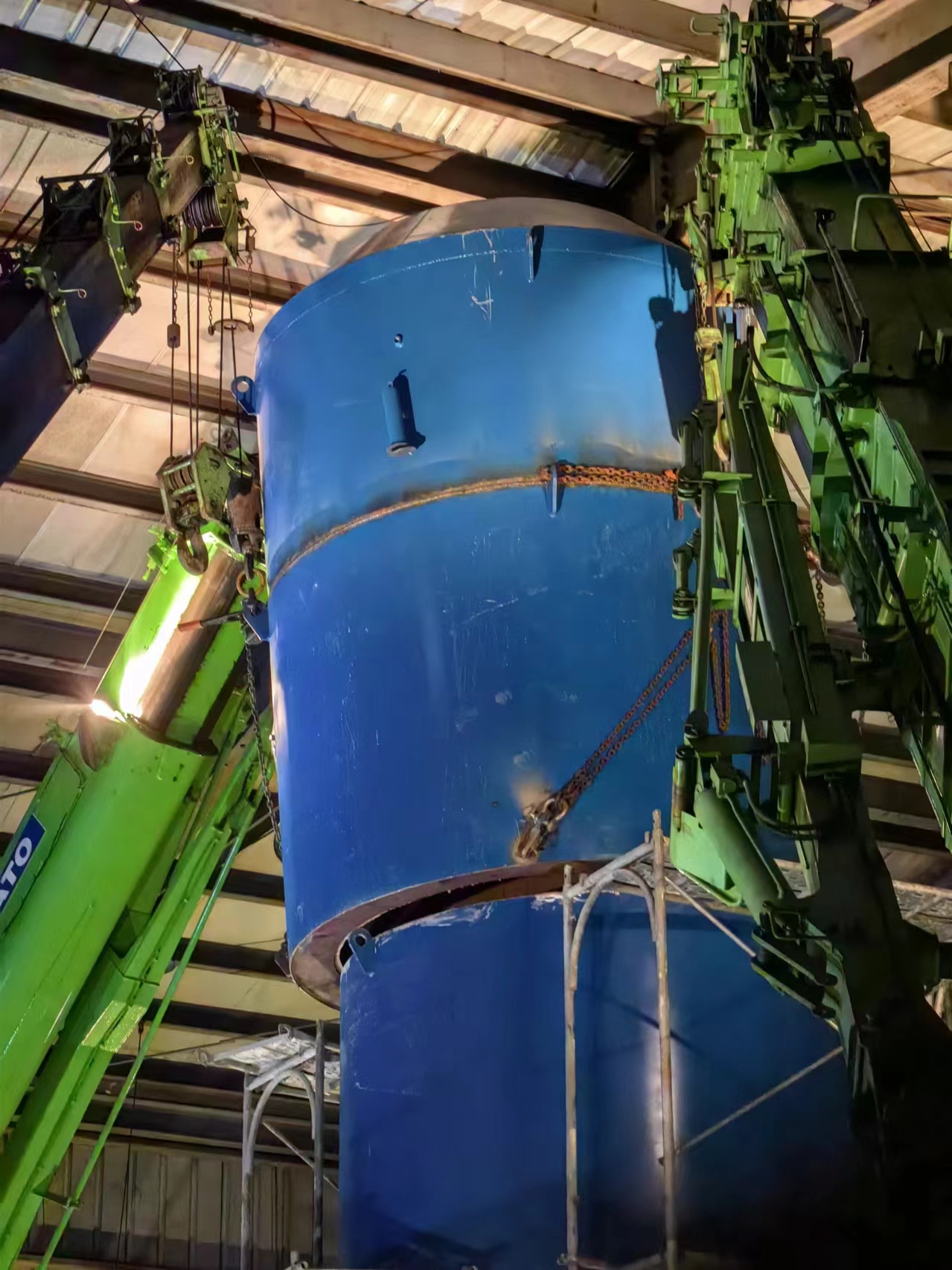
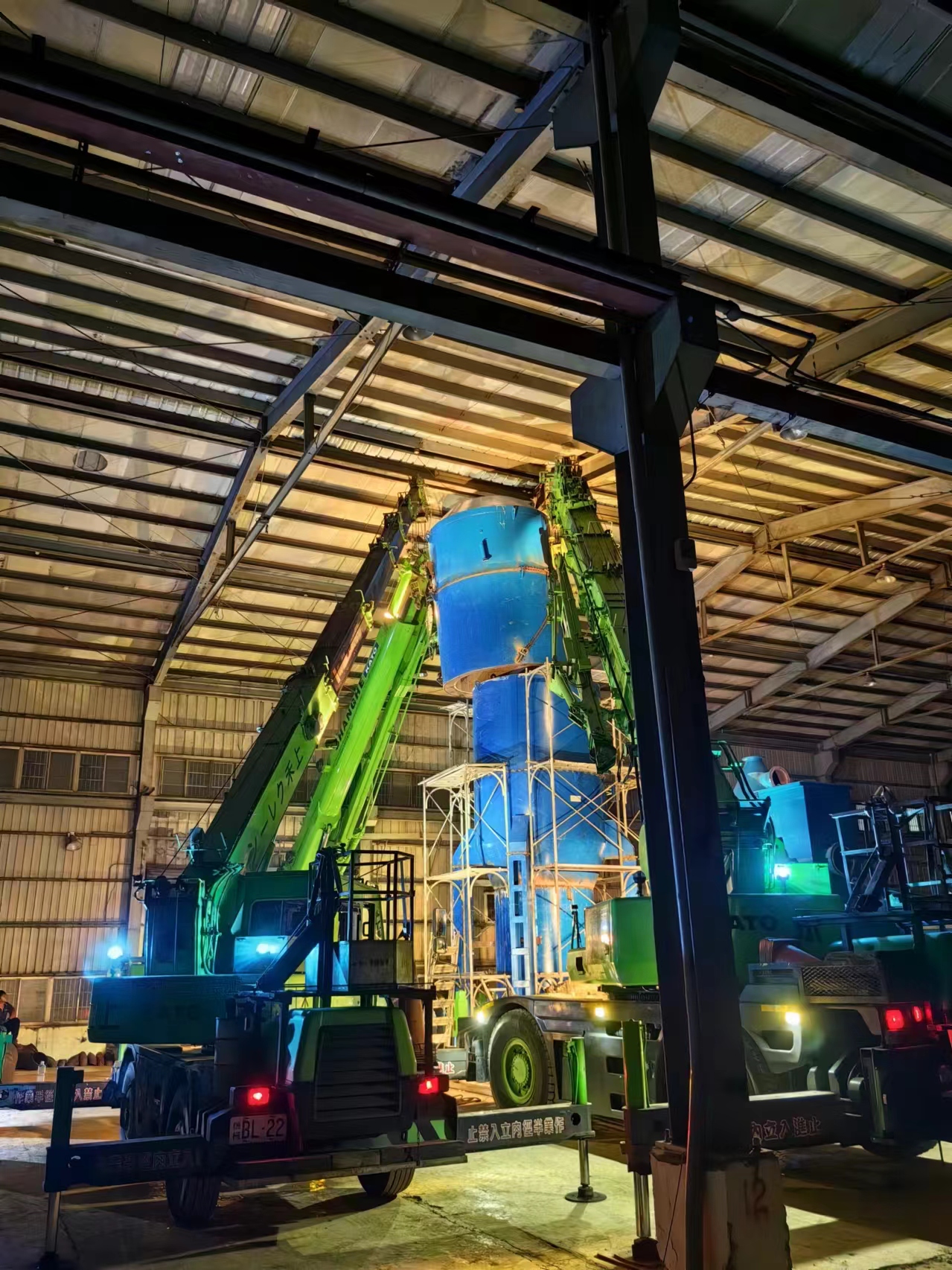
- Expert On-Site Support: Engineers are sent to supervise and guide the entire process.
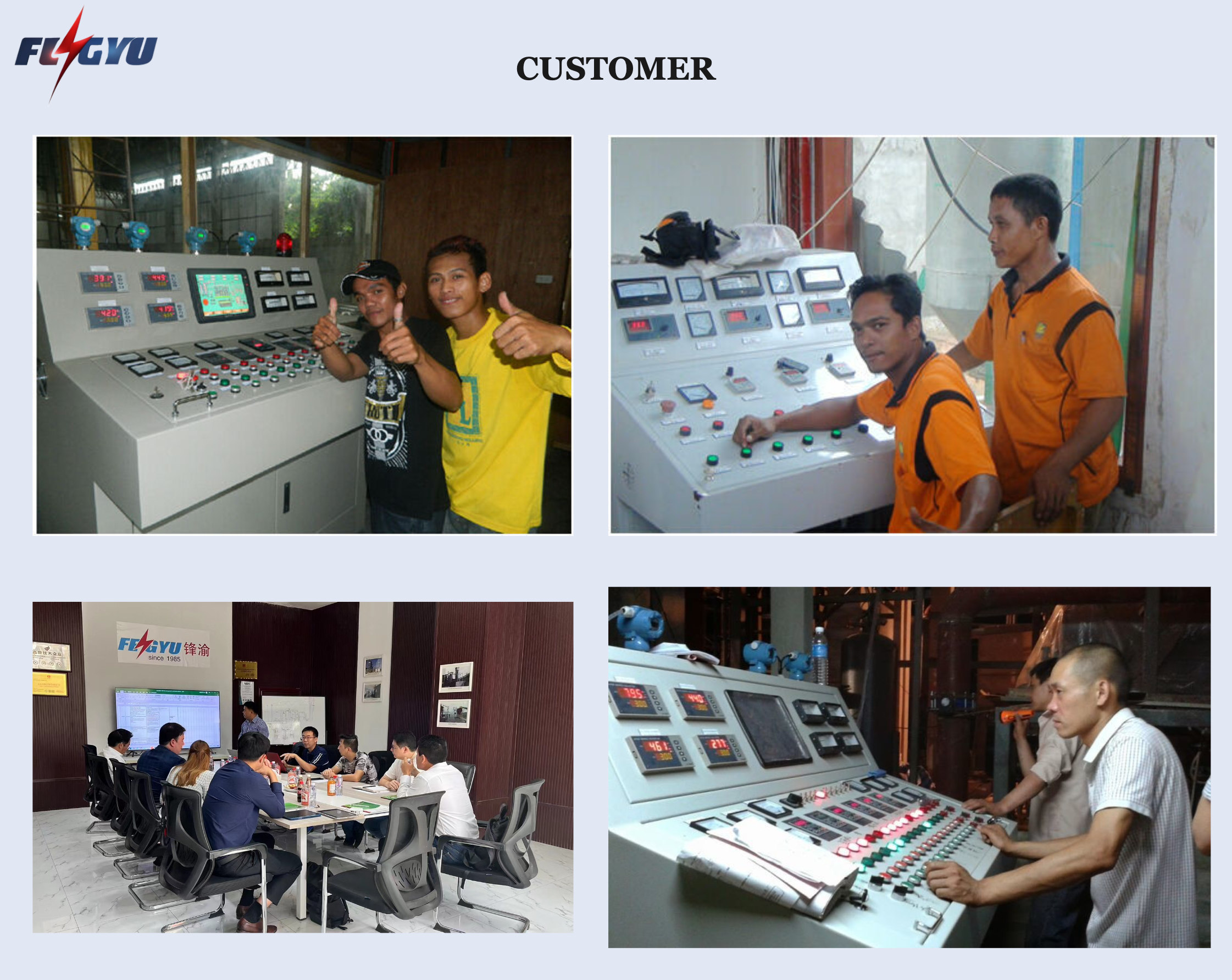
- Comprehensive Training: On-site training for local staff ensures safe and efficient operation.
- Global Logistics: Flexible shipping via sea freight, rail, or road transport.
🌍 SUSTAINABLE SOLUTIONS
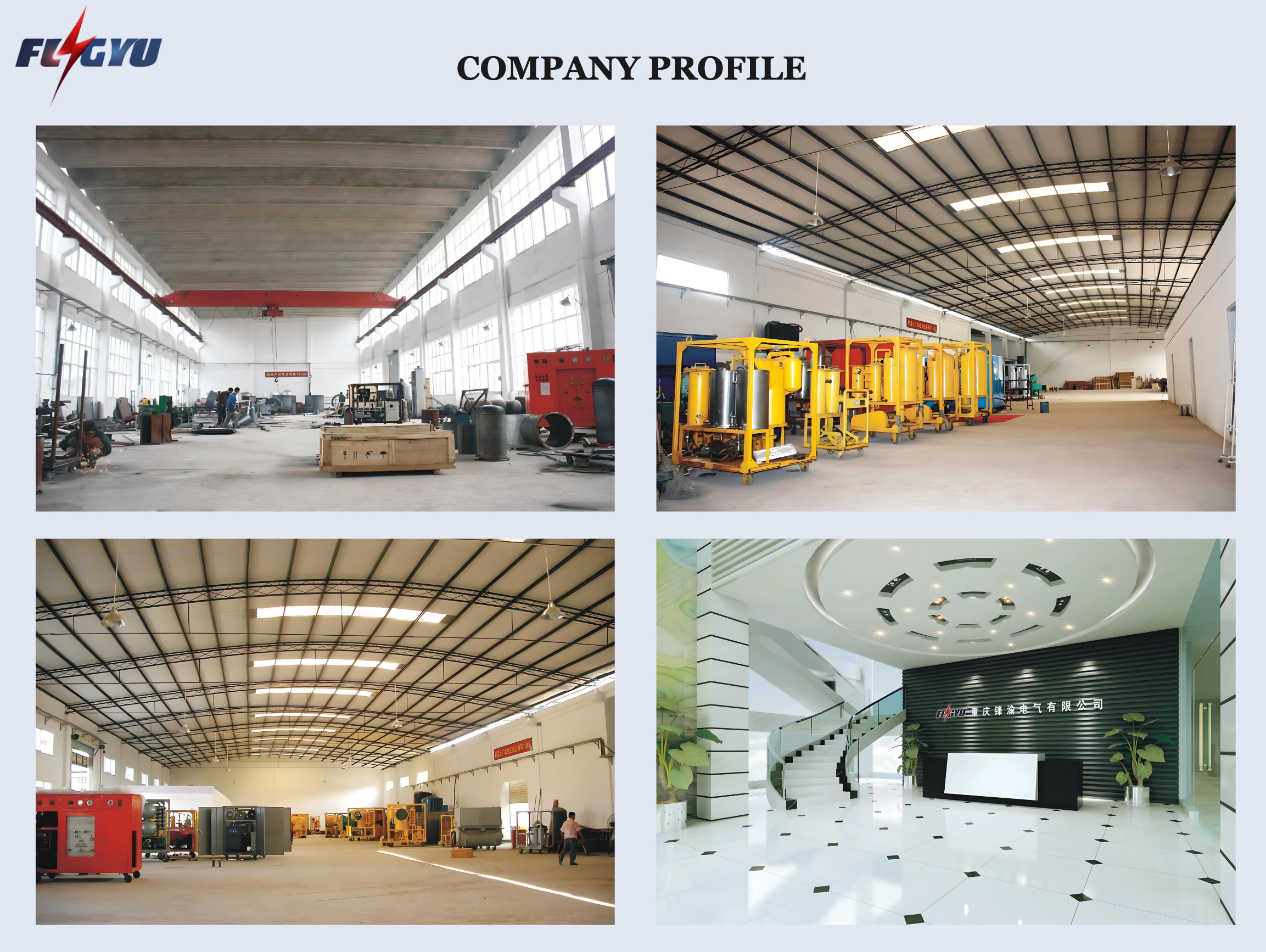
Founded in 1985, our company has been a trailblazer in renewable energy and sustainable technology. We focus on transforming waste into clean, renewable energy sources through biomass gasification, MSW gasification, and advanced resource management. Our pioneering technologies address environmental challenges while promoting global efficiency and sustainability.
We proudly serve customers worldwide, including Thailand, Indonesia, Russia, Croatia, Brazil, South Africa, Chile, Bulgaria, the Philippines, Kenya, Tanzania, Ghana, Italy, and Romania.
❓ FREQUENTLY ASKED QUESTIONS
1. How do I know which models fit my project?
Selection depends on feedstock quantity, caloric value, and moisture content. For fluidized-bed gasifiers, feedstock should be <10mm with <15% moisture. Larger or wetter materials are typically pelletized for fixed-bed systems.
2. What should I prepare before sending an inquiry?
Ideally, provide a caloric report for your feedstock, project site details (altitude/temperature), expected hourly electricity capacity, and your operational schedule (e.g., 24/7 or 8 hours/day).
3. Can mixed feedstock be processed together?
Yes, mixed biomass, agricultural residues, or municipal solid waste can often be processed together. Adjustments to gasification parameters may be required based on particle size and moisture content.
4. What is the capacity range for your gasification projects?
Our projects are versatile and can range from small-scale 50KW units to large industrial power generation systems up to 15MW.
5. Why do you use wet purification for gas cleaning?
Wet scrubbing is chosen for its stability and continuous operation. It effectively removes tar by precipitating it into a washing solution, preventing the maintenance-heavy deposits common in dry systems.
6. What global experience does your company have?
We have over 30 years of industry experience with successful biomass-to-energy projects operating in over 15 countries across Southeast Asia, Europe, and Africa.
 3UP Energy