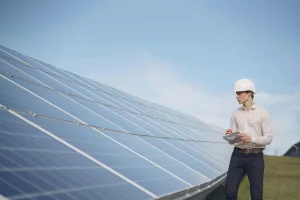
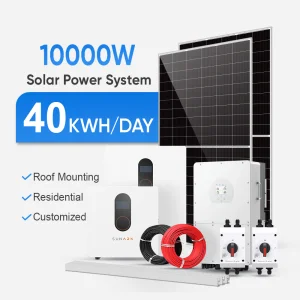
The global energy landscape is undergoing an unprecedented structural transition. As decarbonization mandates tighten across international markets, the adoption of distributed renewable energy has evolved from a voluntary corporate social responsibility (CSR) goal to a core financial and operational imperative. Solar photovoltaics (PV) represent the fastest-growing source of new power generation capacity globally. However, the intermittent and non-dispatchable nature of solar energy poses significant challenges to grid stability, power quality, and system economics.
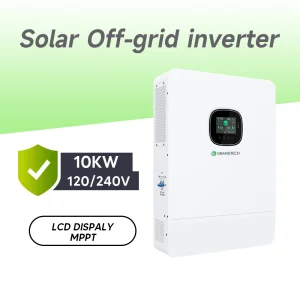
This is where Solar Energy Optimization Solutions become critical. Rather than simply harvesting sunlight, modern systems must dynamically optimize generation, manage load demands, and store surplus electricity. Advanced algorithms, intelligent power electronics, and high-performance energy storage integration allow modern grid setups to achieve high efficiency and lower the Levelized Cost of Energy (LCOE). From balancing supply and demand to mitigating voltage fluctuations, optimization systems bridge the gap between volatile clean generation and the rigid reliability requirements of municipal grids and commercial infrastructures.
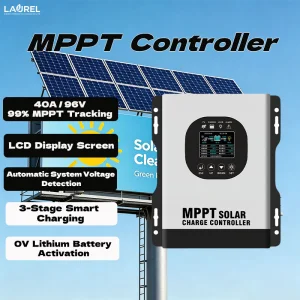
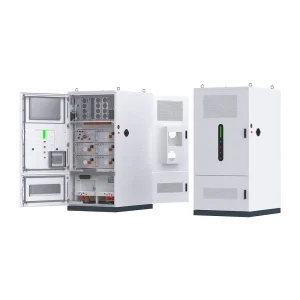
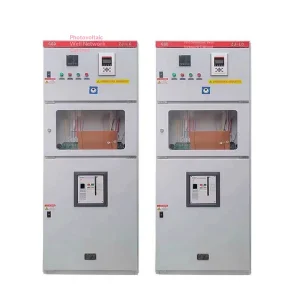
On a global scale, policy frameworks such as the European Green Deal and the United States Inflation Reduction Act (IRA) are driving massive investments into commercial and industrial (C&I) solar infrastructures. Concurrently, regional grids are adopting stricter grid-code regulations, requiring developers to deploy advanced grid-tied distribution cabinets, dynamic MPPT charge controllers, and hybrid storage plants capable of rapid response times. Manufacturers and suppliers in China, operating at the epicenter of solar supply chain innovation, are leading this change by delivering highly integrated, cost-efficient, and reliable hardware-software solutions.
Shanghai 3UP Energy Co., Ltd. is a professional Solar Power Equipment Manufacturer specializing in renewable energy systems, energy storage integration, and smart power solutions for residential, commercial, industrial, and utility-scale applications. Based in Shanghai, China, the company focuses on delivering advanced solar energy technologies that help customers improve energy efficiency, reduce operating costs, and accelerate the transition toward sustainable power generation.
With extensive expertise in renewable energy engineering, 3UP Energy provides comprehensive solutions covering solar power systems, energy storage integration, smart energy management, distributed energy applications, microgrid projects, backup power solutions, and clean energy infrastructure. The company serves a wide range of industries including manufacturing, commercial facilities, public infrastructure, agriculture, logistics, telecommunications, and utility energy projects.
3UP Energy is committed to innovation, system reliability, and long-term performance. Its engineering and technical teams work closely with project developers, EPC contractors, distributors, and energy service providers to design customized solutions based on specific operational requirements, environmental conditions, and energy objectives. From project planning and system design to manufacturing, testing, and technical support, the company provides end-to-end services throughout the project lifecycle.
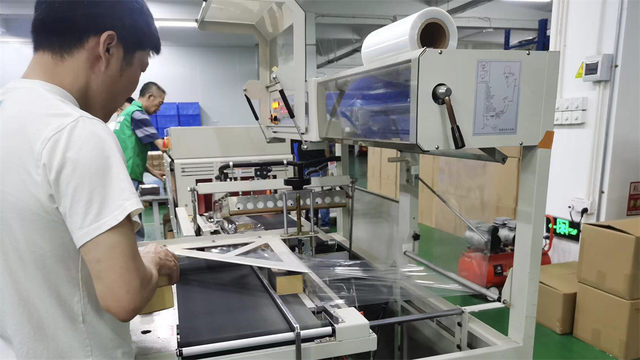
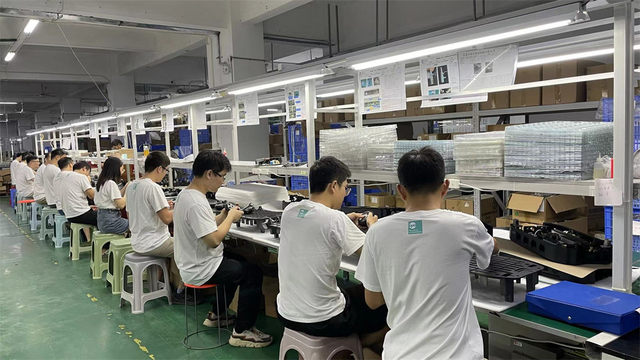
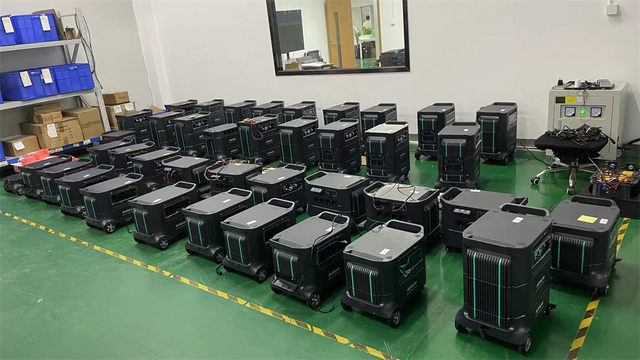
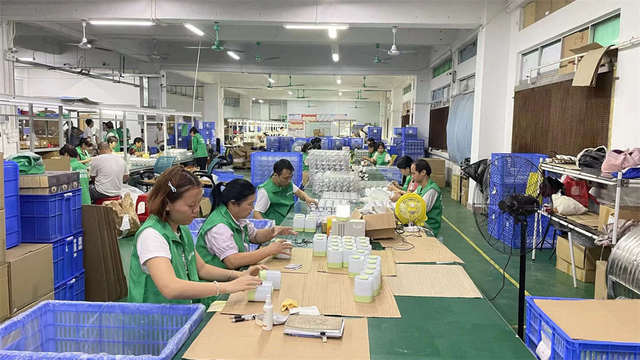
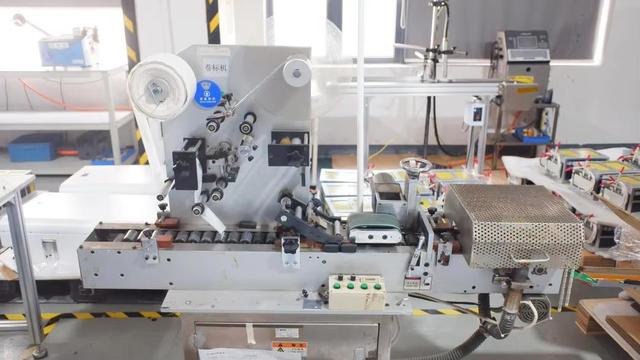
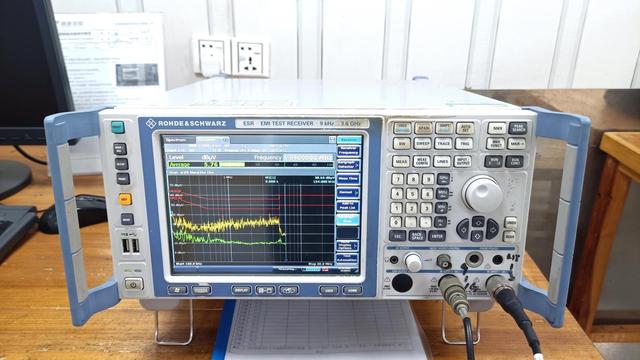
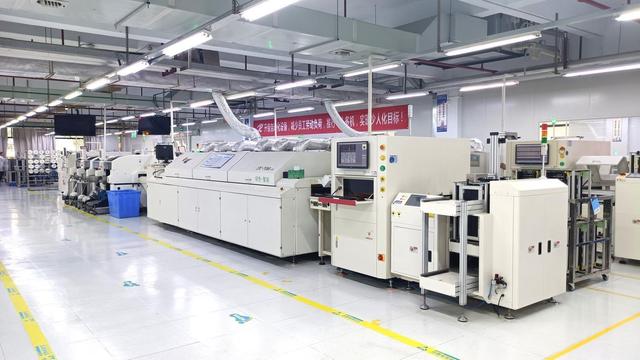
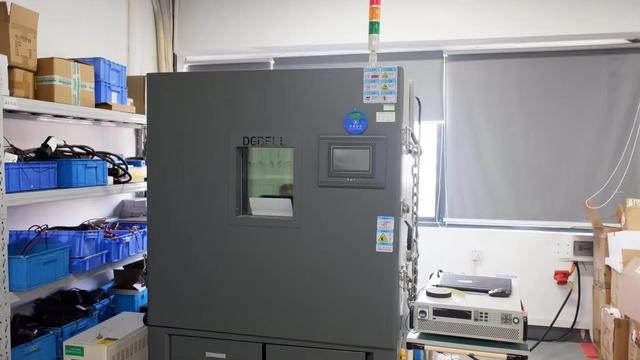
Equipped with modern production facilities and comprehensive quality management systems, the company maintains strict standards across product development and manufacturing processes. Continuous investment in research and development enables 3UP Energy to integrate intelligent control technologies, advanced monitoring platforms, and energy optimization solutions into its renewable energy systems.
Serving customers across Asia, Europe, North America, South America, the Middle East, Africa, and other international markets, Shanghai 3UP Energy Co., Ltd. is dedicated to delivering reliable solar power equipment and smart energy solutions that support clean energy adoption, enhance energy resilience, and contribute to a more sustainable and efficient global energy future.
Commercial and industrial (C&I) installations require a different tier of engineering compared to residential setups. Energy optimization on a macro scale involves megawatt-level loads, dynamic industrial machinery startup currents, and high-voltage grid connections. 3UP Energy address these needs with tailored systems:
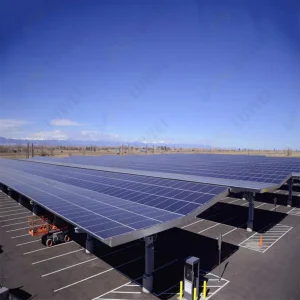
Maximizes spatial layout in corporate parking infrastructures. Serves as a dual-purpose system providing physical shelter for vehicle fleets while capturing solar energy to power adjacent industrial facilities.
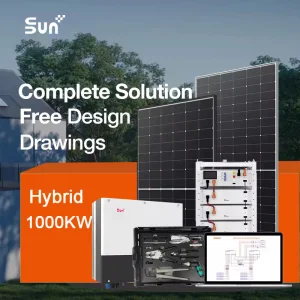
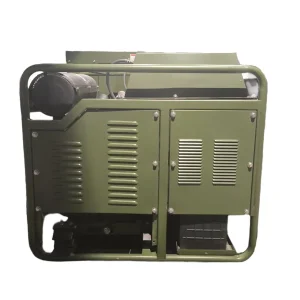
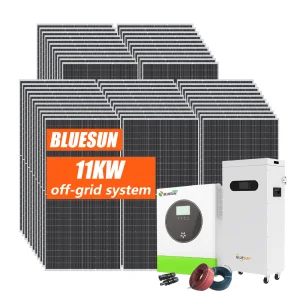
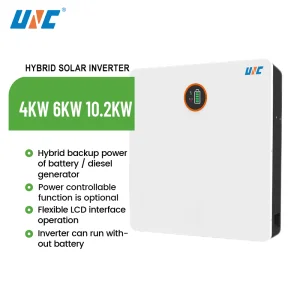
Combines LiFePO4 chemistry with backup diesel generators. Utilizes smart controllers to achieve seamless peak shaving, load-shifting, and black-start capabilities during main grid outages.
Specifically engineered 100-500kW grid-connected distribution systems with IP44 protection and smart breakers. Controls bidirectional electricity flow and ensures overcurrent safety compliance.
These systems leverage intelligent power factor correction and harmonic distortion controls to maintain pure sine wave output. This ensures that industrial heavy machinery, sensitive robotic systems, and computing terminals remain protected against voltage sags and line noise commonly introduced by raw, unoptimized PV sources.
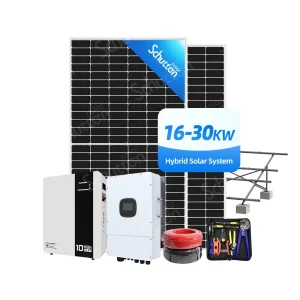
Understanding the technical components of a solar energy optimization layout is essential to evaluating its long-term return on investment (ROI). 3UP Energy designs systems with top-tier materials and electrical design methodologies:
By combining these hardware elements with real-time software diagnostics, 3UP Energy helps operations reduce energy losses, extend hardware lifespan, and transition away from high-carbon backup fuels.
Solar optimization is not a one-size-fits-all solution. Different operating environments demand specific structural designs and thermal profiles. Below are three primary localized application scenarios where 3UP Energy systems are deployed:
Poultry and layer farms rely on continuous environmental controls. A power failure of even 15 minutes can lead to critical losses in flock populations due to hyperthermia or lack of ventilation. 3UP Energy’s specialized agricultural solar solutions combine grid-tied PV panels with battery backup and automated diesel-hybrid switchgear. When grid anomalies occur, the system shifts loads to solar-battery storage, using the diesel range extender only during periods of low sunlight.
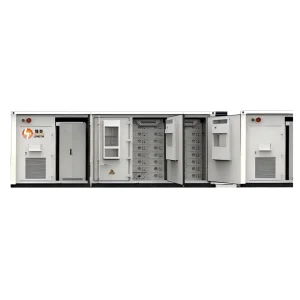
Remote mineral extraction sites operate far from municipal grids, relying on expensive diesel transportation. 3UP Energy’s containerized 1000kW lithium energy systems provide primary grid stability. By working alongside existing diesel generators, these containerized solutions balance transient starting currents from high-power crushers and windlasses. This reduces fuel consumption and lowers overall maintenance costs for diesel engines.
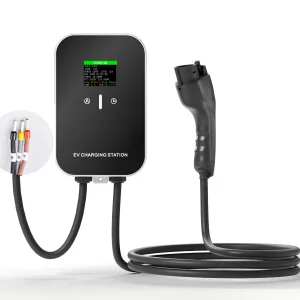
As commercial logistics companies transition to EV fleets, their local grids face high peak demand loads. Using 1MW solar carport systems in combination with integrated EV charging solutions, logistics depots can capture solar power during the day and store it in centralized LiFePO4 batteries. This energy can then charge delivery vehicles during overnight cycles, avoiding peak demand charges from utility companies.
Deploying utility-scale and commercial energy systems requires adherence to strict global safety standards. Renewable energy assets must comply with national grid-code regulations, building codes, and battery safety rules before grid connection is approved.
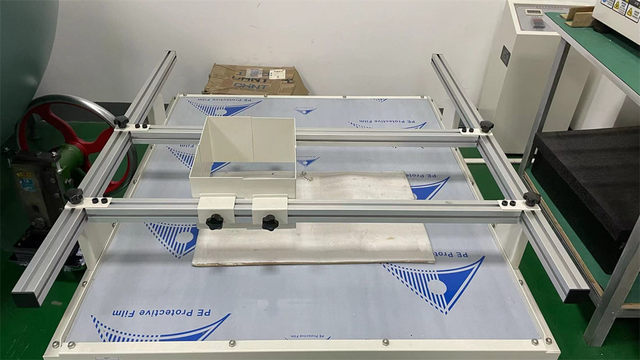
3UP Energy's engineering processes are designed to meet international standards. From cells to structural components, all materials undergo strict verification:
Additionally, 3UP Energy provides engineering, procurement, and construction (EPC) assistance, along with customized CAD and system modeling, to simplify compliance for project developers worldwide.
As we look toward the next decade of renewable energy, technology is shifting from passive monitoring to active optimization. Modern software platforms integrate AI at the edge to predict weather patterns, project grid pricing, and manage load shifting. Future systems will feature:
Machine Learning-Enabled BMS: Rather than relying on simple threshold rules, next-generation BMS will analyze cell aging trends and balance currents dynamically. This extends battery lifespan and improves overall capacity utilization.
Bidirectional V2G (Vehicle-to-Grid) Integration: Future solar carports will serve as two-way energy portals, using connected vehicle batteries as backup storage for commercial complexes during peak hours.
By developing solutions with future-ready communication interfaces and modular designs, 3UP Energy ensures that today's capital investments remain compatible with tomorrow's grid standards.
Technical answers to help engineers, project developers, and procurement managers evaluate solar optimization systems.
 3UP Energy