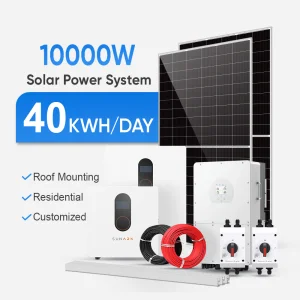
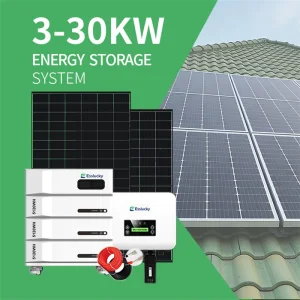
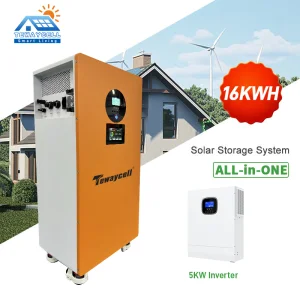
Engineered for extreme tropical climates, providing uninterrupted clean power to safeguard against grid instability and voltage fluctuations.
An in-depth whitepaper exploration of solar integration, thermal regulation, and supply chain strategies in West Africa.
Ghana's energy sector is undergoing a massive transformation. As one of West Africa's leading economies, industrialization in cities like Accra, Tema, and Kumasi has driven up electricity demand. However, the commercial and industrial (C&I) sectors face persistent challenges with grid reliability, characterized by voltage fluctuations and load shedding. Furthermore, electricity tariffs for commercial users remain high, directly impacting profitability.
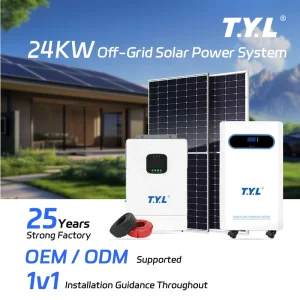
Deploying advanced Off-Grid Solar Power Systems provides a strategic bypass to these grid constraints. By combining high-efficiency solar photovoltaic panels with utility-grade energy storage systems (ESS), Ghanaian businesses can lock in predictable levelized costs of energy (LCOE) for over 25 years. This approach is highly aligned with Ghana's Renewable Energy Master Plan, which aims to increase renewable energy generation to 10% of the national energy mix by 2030.
Designing solar power infrastructure for Ghana requires a deep understanding of local environmental and operational conditions. High relative humidity and elevated ambient temperatures in regions like the Western Region and the northern savannah areas put additional stress on power electronics and battery systems. Key application scenarios include:
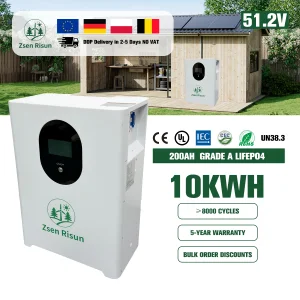
Technical Insight: Standard energy storage systems degrade quickly under tropical temperatures. Our systems use advanced active thermal management and premium lithium iron phosphate (LiFePO4) chemistry to maintain performance up to 55°C ambient temperatures without thermal runaway risks.
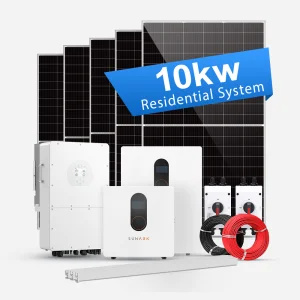
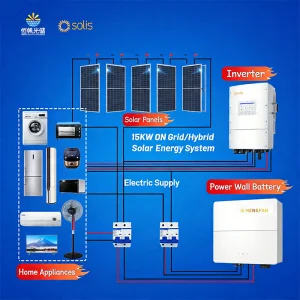
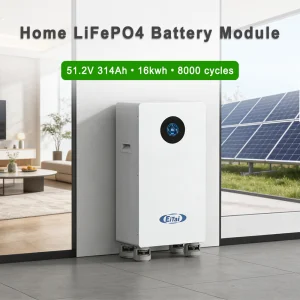
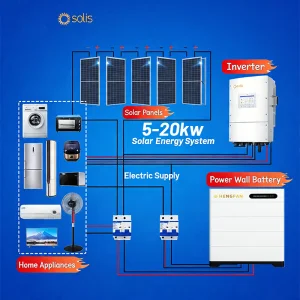
Modern off-grid and hybrid solar installations rely on smart coordination between three core components: high-efficiency solar modules, intelligent hybrid inverters, and high-density battery energy storage systems (BEMS). The technical roadmap focuses on:
Heavy-duty power solutions designed for industrial manufacturing, large estates, and remote institutional infrastructure across West Africa.
Leveraging Shanghai's high-tech manufacturing corridors to deliver robust solar equipment globally.
Shanghai 3UP Energy Co., Ltd. is a professional Solar Power Equipment Manufacturer specializing in renewable energy systems, energy storage integration, and smart power solutions for residential, commercial, industrial, and utility-scale applications. Based in Shanghai, China, the company focuses on delivering advanced solar energy technologies that help customers improve energy efficiency, reduce operating costs, and accelerate the transition toward sustainable power generation.
With extensive expertise in renewable energy engineering, 3UP Energy provides comprehensive solutions covering solar power systems, energy storage integration, smart energy management, distributed energy applications, microgrid projects, backup power solutions, and clean energy infrastructure. The company serves a wide range of industries including manufacturing, commercial facilities, public infrastructure, agriculture, logistics, telecommunications, and utility energy projects.
3UP Energy is committed to innovation, system reliability, and long-term performance. Its engineering and technical teams work closely with project developers, EPC contractors, distributors, and energy service providers to design customized solutions based on specific operational requirements, environmental conditions, and energy objectives. From project planning and system design to manufacturing, testing, and technical support, the company provides end-to-end services throughout the project lifecycle.
Equipped with modern production facilities and comprehensive quality management systems, the company maintains strict standards across product development and manufacturing processes. Continuous investment in research and development enables 3UP Energy to integrate intelligent control technologies, advanced monitoring platforms, and energy optimization solutions into its renewable energy systems.
Serving customers across Asia, Europe, North America, South America, the Middle East, Africa, and other international markets, Shanghai 3UP Energy Co., Ltd. is dedicated to delivering reliable solar power equipment and smart energy solutions that support clean energy adoption, enhance energy resilience, and contribute to a more sustainable and efficient global energy future.
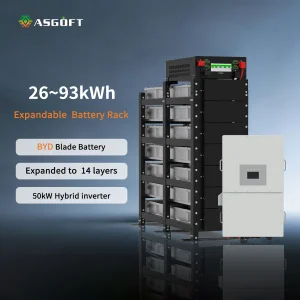
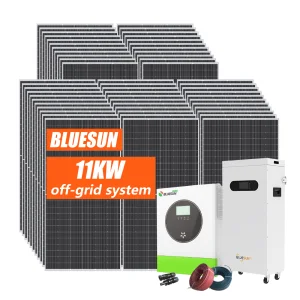
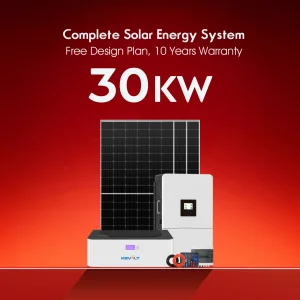
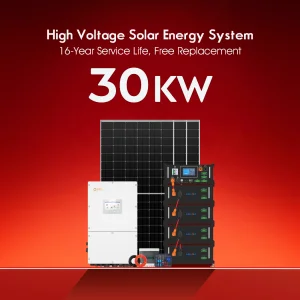
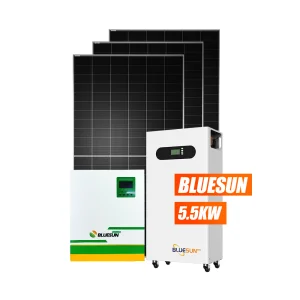
Explore our comprehensive range of high-voltage battery banks, hybrid single-phase/three-phase inverters, and modular power kits.
Ensuring full alignment with local grid regulations, Energy Commission certifications, and technical operational expectations.
Importing and installing solar equipment in Ghana requires strict adherence to safety standards. Every system exported by Shanghai 3UP Energy Co., Ltd. is engineered to comply with the Ghana Energy Commission standards, securing necessary certifications for safety, grid-isolation capabilities (anti-islanding), and power quality (low total harmonic distortion). This guarantees seamless clearance at Tema Port and trouble-free integration with local systems.
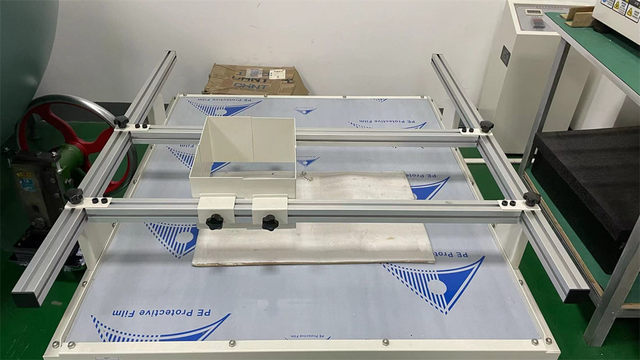
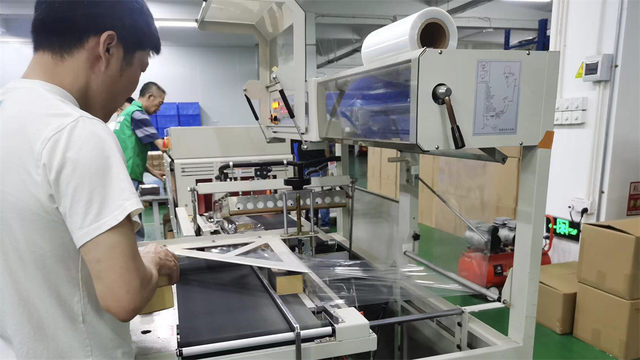
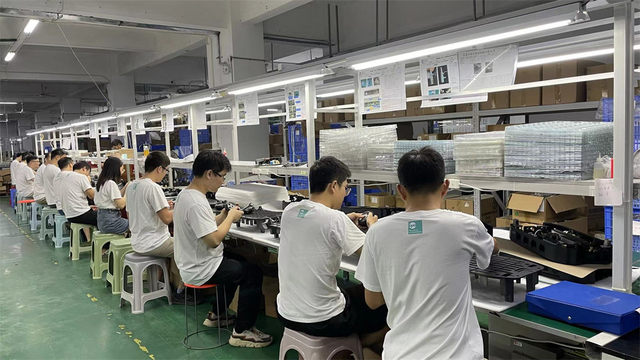
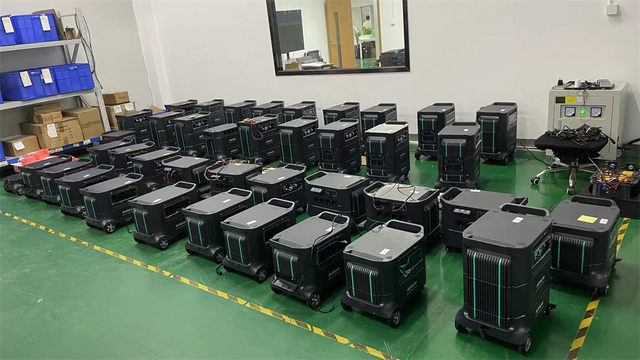
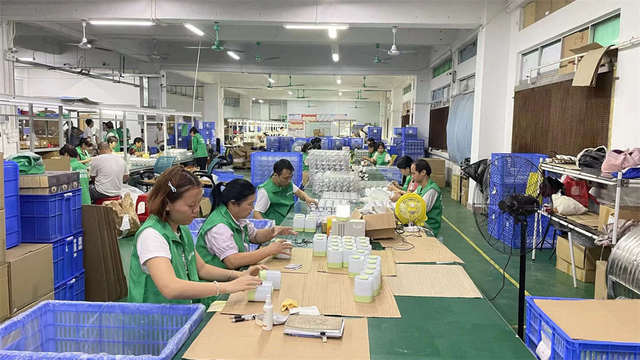
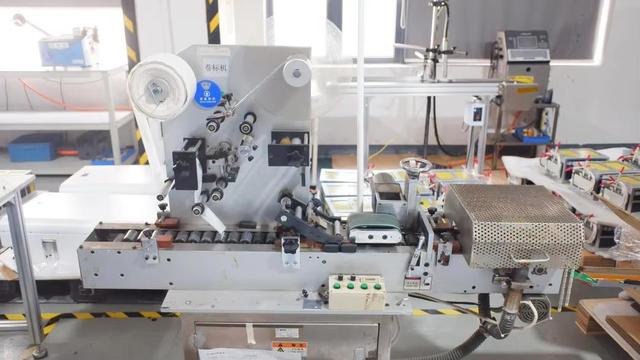
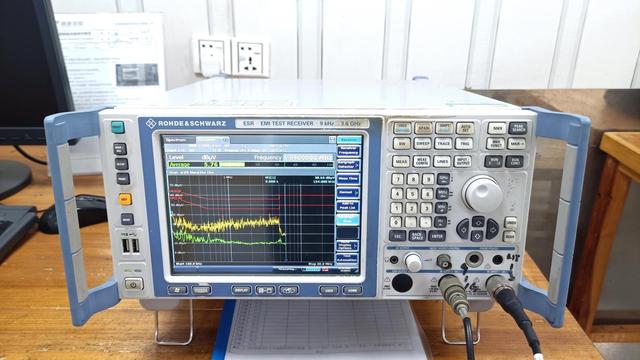
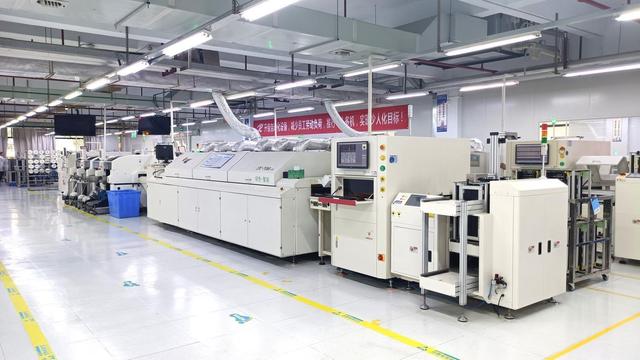
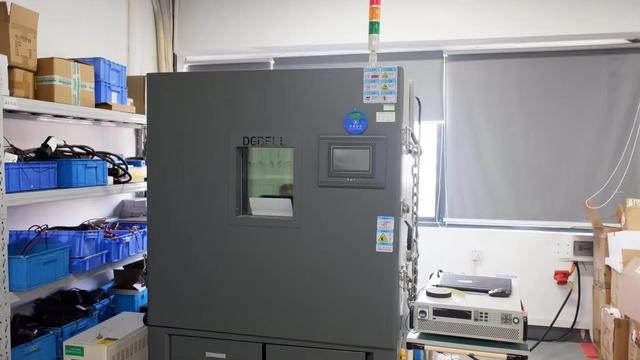
A visual insight into our state-of-the-art production lines, rigorous load testing processes, and high-quality solar components.
 3UP Energy